




How to keep fresh herbs vibrant & flavorful longer?
Unlock the Secret to Long-Lasting Fresh Herbs
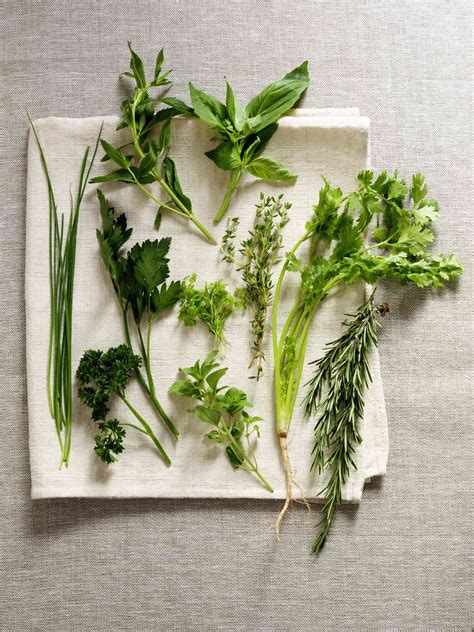
Fresh herbs are the soul of many dishes, elevating flavors with their aromatic oils and vibrant colors. However, their fleeting freshness can be a source of frustration, often wilting or turning brown just days after purchase. Don’t let your culinary creations suffer; with a few simple techniques, you can significantly prolong the life of your fresh herbs, keeping them vibrant and flavorful for weeks.
Initial Care: From Market to Kitchen
The journey begins the moment you bring your herbs home. Inspect them for any damaged or wilted leaves and remove them, as they can accelerate spoilage. Avoid washing herbs until you’re ready to use them, as excess moisture encourages mold growth and breakdown. If they are particularly dirty, a quick, gentle rinse and thorough drying (spin dryer or paper towels) is crucial before storage.
Method 1: The Water Bath for Stemmed Herbs
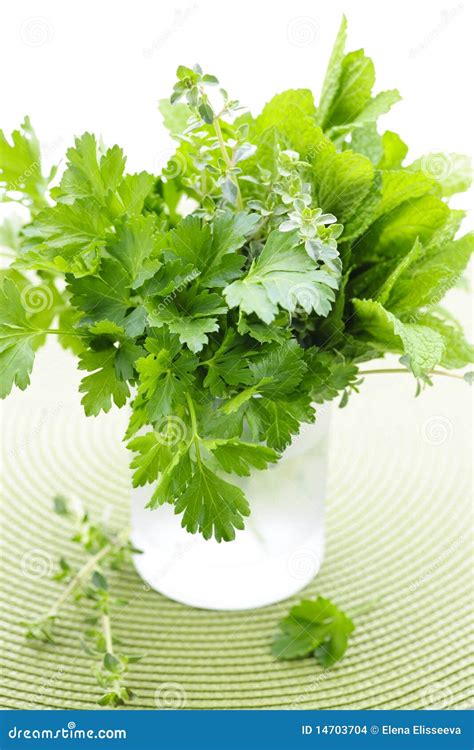
This method is ideal for “bouquet-style” herbs with sturdy stems, such as parsley, cilantro, mint, dill, and even basil (though basil has its own nuance). Treat them like a bouquet of flowers:
- Trim the very ends of the stems, much like you would cut flower stems.
- Place the trimmed stems into a glass or jar with about an inch of fresh water.
- For most herbs (parsley, cilantro, mint), cover the leaves loosely with a plastic bag (e.g., a produce bag) and store in the refrigerator.
- Basil Exception: Basil prefers warmer temperatures. Store basil on the counter, out of direct sunlight, without covering. Change the water every day or two.
This method allows the herbs to continue absorbing water, keeping their leaves hydrated and crisp for up to two weeks.
Method 2: The Damp Paper Towel Roll for Delicate Herbs
For more delicate herbs, or those without strong stems like chives, thyme, rosemary, or even if you prefer a different method for parsley/cilantro, the damp paper towel roll works wonders:
- Gently rinse the herbs if needed, then pat them completely dry with paper towels. Excess moisture is the enemy.
- Lay the herbs flat on a slightly damp paper towel.
- Roll the herbs tightly in the paper towel, creating a snug bundle.
- Place the rolled bundle into a resealable plastic bag or an airtight container.
- Store in the crisper drawer of your refrigerator.
This method creates a humid environment without waterlogging the herbs, keeping them fresh for 1-3 weeks depending on the herb.
Method 3: Freezing Herbs for Long-Term Storage
When you have an abundance of herbs or want to preserve their flavor for months, freezing is an excellent option. While they won’t retain their crisp texture for garnish, they’ll be perfect for cooking:
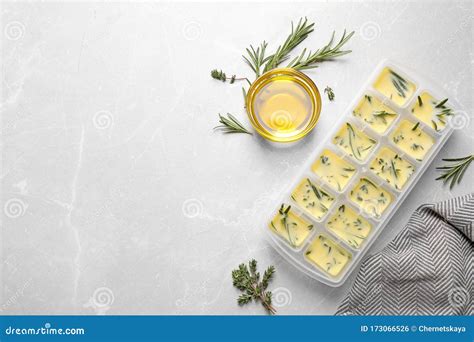
- Oil Cubes: Chop herbs finely and pack them into ice cube trays. Cover with olive oil or melted butter, then freeze. Once solid, transfer the herb cubes to a freezer-safe bag or container. These are fantastic for starting soups, sauces, or sautéing.
- Water Cubes: For herbs like dill or cilantro, you can chop and freeze them in water cubes for use in stocks or stews.
- Whole or Chopped in Bags: Some hardier herbs like rosemary or thyme can be frozen directly in freezer bags after washing and thoroughly drying.
Frozen herbs can last for 6 months to a year, providing fresh flavor whenever you need it.
Method 4: Drying Herbs (Traditional Preservation)
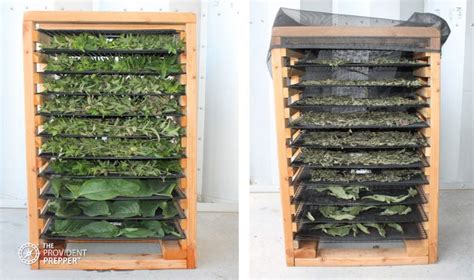
Drying is a classic method for preserving herbs, best suited for those with lower moisture content and robust flavors like rosemary, thyme, oregano, and marjoram. While some delicate aromas are lost, the concentrated flavor can be potent.
- Air Drying: Tie small bundles of herbs together with twine and hang them upside down in a warm, dry, well-ventilated area away from direct sunlight. This can take 1-3 weeks.
- Dehydrator: A food dehydrator offers a faster, more controlled drying process. Follow your dehydrator’s instructions for specific herbs.
- Oven Drying: Low and slow heat in an oven (lowest setting, door slightly ajar) can also work, but requires careful monitoring to prevent scorching.
Once completely dry and brittle, strip the leaves from the stems and store them whole or lightly crushed in airtight containers in a cool, dark place.
Key Takeaways for Herb Longevity
Regardless of the method you choose, remember these universal principles:
- Dryness is Key: For refrigeration methods, avoid excess moisture on the leaves themselves.
- Airflow is Important: Don’t suffocate your herbs; allow some breathing space.
- Temperature Matters: Most herbs prefer the fridge, but basil is an exception.
- Regular Checks: Remove any wilting or molding leaves promptly to prevent spread.
Enjoy Your Herbs Longer
By implementing these simple yet effective storage techniques, you can dramatically extend the life and vibrancy of your fresh herbs. Say goodbye to wasted greens and hello to consistently flavorful meals. Experiment with different methods to find what works best for each herb and for your kitchen routine, and savor the difference fresh herbs make.