



What specific visual cues in a quick Bite make a recipe irresistible to foodies?
In the age of social media and culinary exploration, a recipe’s success hinges not just on its taste but overwhelmingly on its visual presentation. For discerning foodies, the journey from glance to crave is orchestrated by a symphony of specific visual cues. These aren’t mere afterthoughts; they are critical components designed to trigger hunger, curiosity, and the undeniable urge to try—or even recreate—the dish.
The Allure of Vibrant Color and Striking Contrast
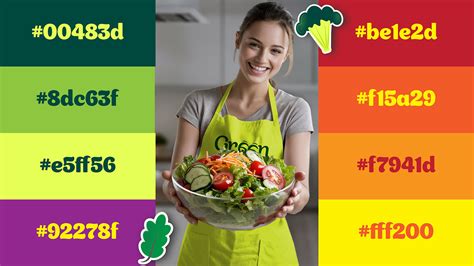
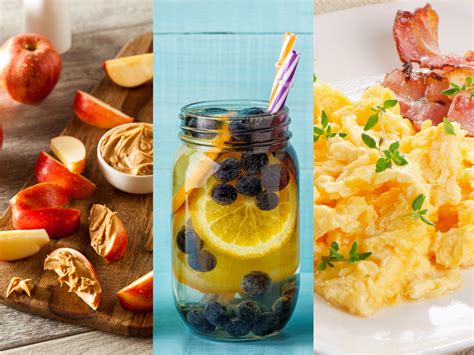
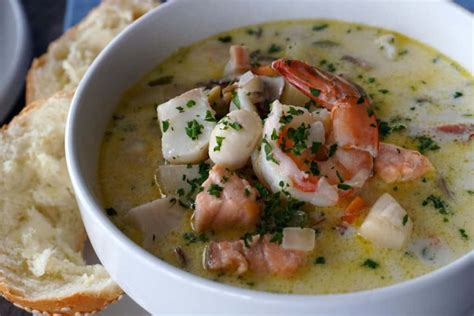
Color is arguably the most immediate and powerful visual cue. Bright, natural colors signal freshness, flavor, and health. Think of the deep reds of ripe tomatoes, the verdant greens of fresh herbs, or the golden-brown crispness of a perfectly roasted item. Foodies are drawn to dishes that showcase a spectrum of colors, creating a feast for the eyes before the first bite. Strategic contrast—like a dollop of white cream on dark berries or a sprinkle of bright green chives on a creamy soup—elevates the dish from appealing to utterly captivating, highlighting individual components and adding depth.
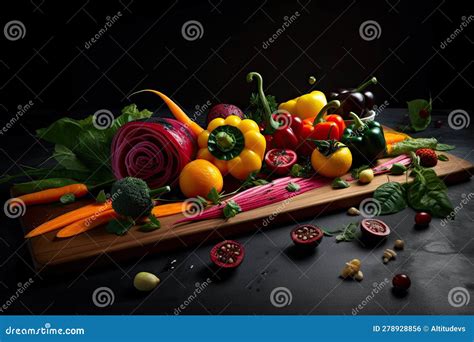
Enticing Textures and Thoughtful Layering
Beyond color, texture plays a crucial role in visual magnetism. Foodies seek evidence of varied textures: the glossy sheen of a sauce, the bubbly crust of a gratin, the delicate flakiness of pastry, or the satisfying crunch of a fresh garnish. When a dish visibly promises a delightful textural journey—crisp, creamy, chewy, smooth—it becomes infinitely more appealing. Layering ingredients, whether stacking pancakes, building a colorful salad, or arranging components in a bowl, creates visual interest and hints at complexity and depth of flavor. Each visible layer tells a story of craftsmanship and thoughtful preparation.
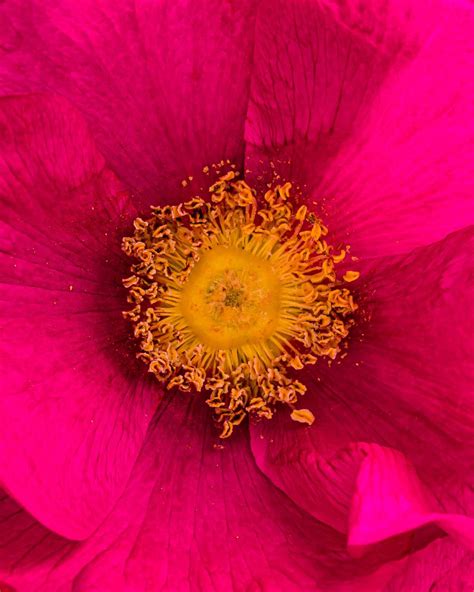
Mastering Plating and Composition
Plating is an art form, transforming ingredients into a culinary masterpiece. For foodies, the arrangement on the plate communicates intention and care. Elements like strategic negative space, which allows each component to breathe and be appreciated, are key. Utilizing the rule of thirds, leading lines, or creating a focal point with a hero ingredient can make a dish look professionally curated. A balanced composition, where elements are arranged harmoniously without overcrowding, invites the viewer to explore the dish visually before even lifting a fork.
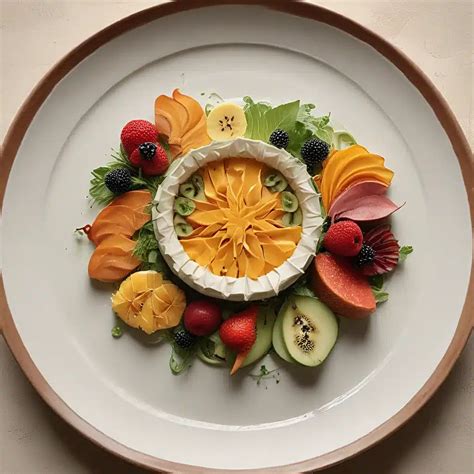
The Magic of Garnish and Finishing Touches
Garnishes are not just decorative; they are the final flourish that elevates a dish from good to gourmet. A sprinkle of fresh herbs, a swirl of olive oil, a dusting of powdered sugar, or a strategically placed edible flower can add brightness, freshness, and a pop of contrasting color or texture. These finishing touches demonstrate attention to detail and a commitment to presentation. A glistening drizzle or a perfectly placed crumb often signals a meticulous chef and promises a heightened sensory experience, making the recipe immediately more desirable.
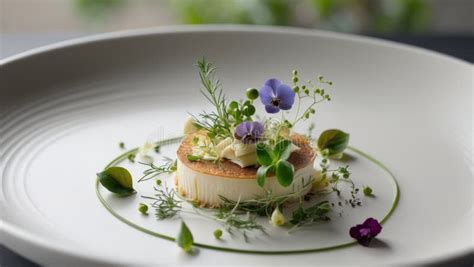
Illumination and Perspective: The Role of Lighting and Angle
Even the most perfectly prepared dish can fall flat without the right presentation in terms of lighting and photography. Foodies are often viewing recipes through screens, making good lighting paramount. Natural, soft light enhances colors and textures, making food look fresh and appetizing. Harsh shadows or poor lighting can obscure details and make food look unappetizing. Furthermore, the angle from which a dish is presented—whether an overhead flat lay showcasing all components or a close-up shot emphasizing texture—significantly impacts its perceived appeal, inviting the viewer into the food’s world.
Ultimately, making a recipe irresistible to foodies is a holistic endeavor where taste is complemented, and often preceded, by visual delight. By understanding and deliberately employing these specific visual cues—from vibrant colors and enticing textures to masterful plating and thoughtful garnishes, all presented under optimal lighting—creators can transform a simple quick bite into an unforgettable visual and culinary craving.