




Food adventure photo tips: How to best capture those authentic local food visuals?
Embrace the Local Flavors: More Than Just a Meal
Embarking on a food adventure is about more than just tasting new dishes; it’s about experiencing culture through its cuisine. Capturing these moments authentically requires a thoughtful approach, turning simple food shots into evocative visual stories. Forget sterile studio setups; we’re going for raw, real, and delicious.
Mastering Natural Light: Your Best Ally
The most crucial element in any food photograph is light, and often, the best light is natural light. When photographing local food, try to position your dish near a window or in an open-air setting. Avoid harsh direct sunlight, which can create strong shadows and blow out highlights. Instead, look for soft, diffused light, like that found on a cloudy day or in open shade. This kind of light will highlight textures and colors beautifully, making the food look more appetizing and real.
Composition for Storytelling: What’s the Narrative?
Beyond just pointing and shooting, think about the story you want to tell. Are you showcasing the vibrant market where the ingredients were bought, the bustling street food stall, or the rustic setting of a family meal? Use composition to your advantage. Try different angles: a top-down shot (flat lay) works great for a spread of dishes, while a closer eye-level shot can emphasize a single dish’s texture and details. Don’t be afraid to include elements like hands preparing or eating the food, local utensils, or even a glimpse of the surroundings to add context and authenticity.
Tips for Engaging Composition:
- Rule of Thirds: Place your main subject off-center for a more dynamic image.
- Leading Lines: Use elements in the scene (a counter, a path) to draw the viewer’s eye towards the food.
- Depth of Field: Blur the background slightly to make your food pop, but not so much that you lose all sense of place.
Capturing Authenticity: It’s All in the Details
Authenticity comes from embracing imperfections and the realness of the moment. Don’t fuss too much about a perfectly clean table or meticulously arranged garnishes if that’s not how the locals eat. Show the steam rising from a hot bowl, the drips of sauce, the worn-out charm of a street vendor’s cart. These ‘imperfections’ are what make the scene genuine and relatable. Interact with the people; often, the most compelling shots are those that include the chef, vendor, or fellow diners, adding a human element to your food story.
Gear Up (But Don’t Overdo It)
While a professional camera can offer more control, you don’t need fancy equipment to capture stunning food photos. Most modern smartphones have excellent cameras capable of producing high-quality images. The key is knowing how to use them effectively. If you’re using a phone, explore its manual controls for exposure and focus. A small, portable tripod can be helpful for stability in low light, but often, just a steady hand and good technique are enough.
Post-Processing: Enhance, Don’t Over-Process
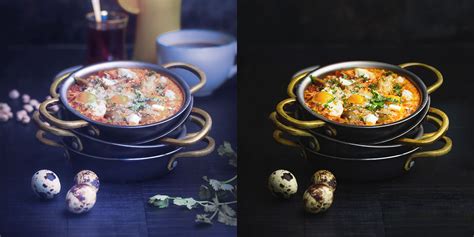
A little post-processing can go a long way in making your food photos shine. Simple adjustments like brightness, contrast, saturation, and sharpening can enhance the natural appeal of your dishes. Be careful not to over-process, as this can make your food look artificial. The goal is to bring out the best in the original shot, not to create something that wasn’t there. Many free apps like Snapseed or Lightroom Mobile offer powerful editing tools right on your phone.
Share Your Story
Ultimately, your food adventure photos are a visual diary of your experiences. They should evoke the smells, tastes, and atmosphere of the places you’ve visited. By focusing on natural light, thoughtful composition, authentic details, and mindful editing, you’ll be well on your way to capturing truly unforgettable local food visuals that transport your audience straight to the heart of your culinary journey.