




How do real foodies visually spot authentic local eats for killer photos?
The Art of Visual Discovery: Finding Authentic Local Food
For the discerning foodie, travel isn’t just about sightseeing; it’s a gastronomic quest. But how do you cut through the tourist traps and find those hidden gems offering truly authentic local eats? It’s all about honing your visual senses and understanding the subtle cues that scream ‘real deal.’ And once you’ve found it, these same cues often translate into the most compelling and authentic food photography.
The Local Litmus Test: Follow the Crowd (of Locals)
This is arguably the most crucial visual cue. Scan the restaurant or street food stall for its clientele. Are there more locals than tourists? Are families gathered, chatting animatedly over their meals? A place packed with residents often signals authenticity, good value, and genuine flavors. Locals know where the good food is, and they aren’t afraid to queue for it. Look for generational diversity – grandparents sharing a meal with their grandchildren is a very strong indicator of a cherished local spot.
Humble Exteriors, Hidden Gems: Don’t Judge a Book By Its Cover
Sometimes, the best food comes from the most unassuming places. Don’t be swayed by flashy signs or modern decor. Instead, look for a worn-in charm, perhaps a hand-painted sign, or a building that has clearly stood the test of time. Peeking inside, observe the decor – is it practical, functional, and reflective of local culture rather than generic international aesthetics? A small, focused menu board, possibly handwritten, can also be a good sign that they specialize in a few dishes done exceptionally well, rather than a broad, generic offering.
The Sights and Sounds of the Kitchen: Open & Honest Preparation
If you can see into the kitchen or the food preparation area, pay close attention. Are the chefs working with fresh, visible ingredients? Is there a rhythm and efficiency to their movements? The sight of fresh vegetables being chopped, dough being kneaded, or meat sizzling on an open grill can be incredibly reassuring. A bustling, clean (but not sterile) kitchen, where you can hear the sizzle and smell the rich aromas, often indicates a high standard of care and fresh cooking.
Food Presentation: Authenticity Over Artifice
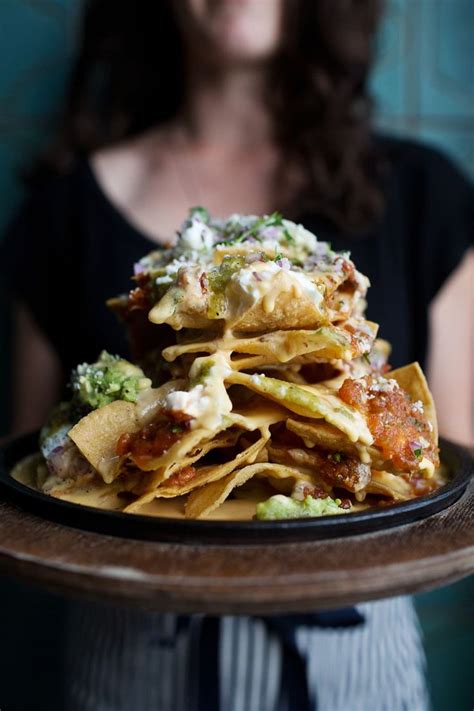
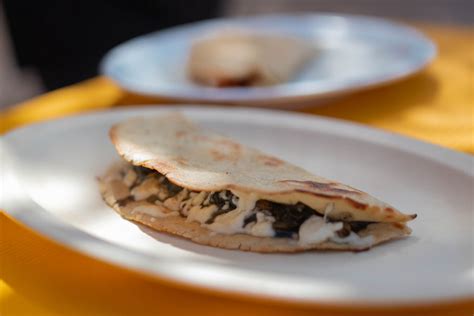
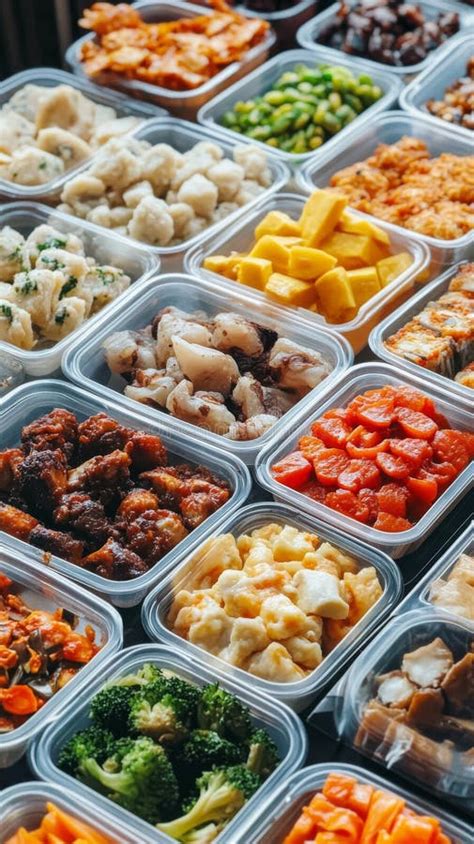
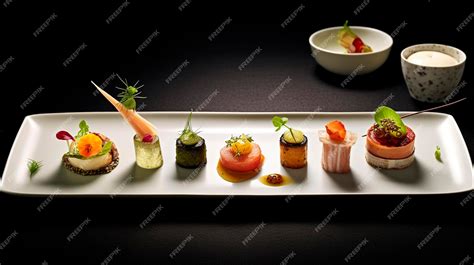
Authentic local food isn’t always about elaborate plating. In many cultures, the presentation is honest and straightforward, focusing on the abundance and natural appeal of the ingredients. Look for dishes that are hearty, generous, and clearly prepared with tradition in mind. Killer photos often arise from this very honesty – the vibrant colors of fresh ingredients, the rustic charm of a well-loved bowl, or the steam rising from a truly hot, fresh dish tells a powerful story that transcends mere aesthetics.
Trust Your Gut (and Your Nose)
Beyond visual cues, don’t underestimate the power of your nose. Take a deep breath as you approach potential eateries. Do you smell enticing spices, roasting meats, or fresh herbs? These olfactory signals, combined with the visual evidence of happy locals and honest preparation, form a powerful trifecta for spotting authentic eats. Once you’re inside, if you see the chefs tasting their own food, that’s another small but significant indicator of pride in their craft.
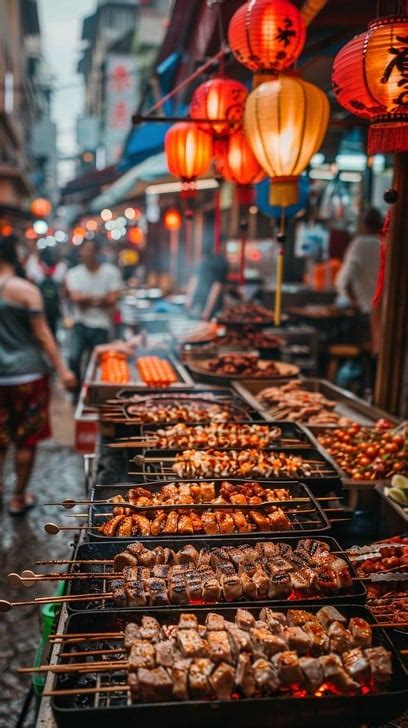
By learning to read these visual and sensory signals, you’ll not only discover the most delicious and authentic local food experiences but also capture ‘killer photos’ that truly reflect the soul and flavor of your culinary adventures. It’s about more than just a meal; it’s about connecting with a culture through its food, one genuine bite and stunning photograph at a time.