




How to store fresh herbs to keep them vibrant and flavorful for weeks?

Unlock the Secret to Long-Lasting Fresh Herbs
Fresh herbs are the backbone of vibrant, flavorful cooking, yet their fleeting shelf life can often lead to waste and frustration. Imagine reaching for a sprig of parsley or a handful of cilantro, only to find it wilted, browned, or slimy. The good news is that with a few simple techniques, you can significantly extend the life of your fresh herbs, keeping them vibrant and potent for weeks. This guide will walk you through proven methods tailored to different types of herbs, ensuring your culinary creations always benefit from peak freshness.
The “Bouquet” Method for Delicate, Leafy Herbs
This method is perfect for herbs with soft stems and delicate leaves that thrive on moisture, such as parsley, cilantro, dill, and mint. It mimics how you’d store a bouquet of flowers.
- Trim Stems: Snip about an inch off the bottom of the stems.
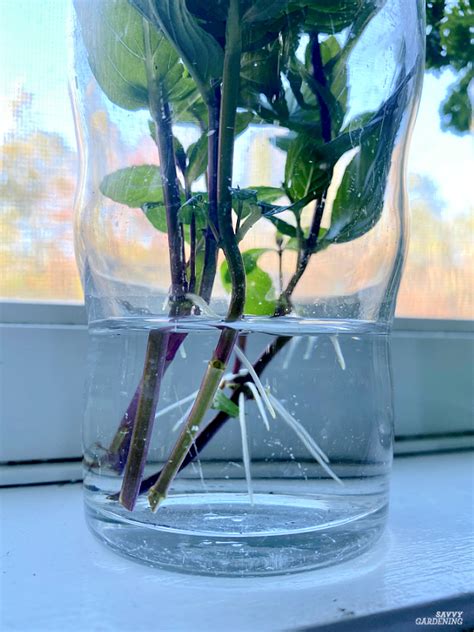
- Water Bath: Place the herbs stem-down in a glass or jar filled with an inch or two of fresh water, just enough to cover the cut ends.
- Cover and Refrigerate: Loosely cover the leaves with a plastic bag (a produce bag works perfectly) to create a mini-greenhouse effect. Place the glass in the refrigerator.
- Change Water: Change the water every 1-2 days to keep it fresh.
Following these steps, herbs like parsley and cilantro can stay fresh for up to two weeks. Basil is an exception; while it also benefits from this water bath, it prefers room temperature, not refrigeration.
The “Paper Towel Roll” Method for Hardy, Woody Herbs
For tougher, woody-stemmed herbs like rosemary, thyme, oregano, and sage, the goal is to keep them slightly damp but not waterlogged. This method also works well for chives.
- Rinse and Dry: Gently rinse the herbs under cool water and then dry them very thoroughly using a salad spinner or by patting them down with paper towels. Excess moisture is the enemy here.
- Damp Wrap: Lightly dampen a few paper towels. Wrap the cleaned, dried herbs in the damp paper towels.
- Bag or Container: Place the wrapped herbs into a resealable plastic bag or an airtight container.
- Refrigerate: Store in the crisper drawer of your refrigerator.
This technique helps maintain the herbs’ moisture without causing them to rot, keeping them fresh for up to 2-3 weeks.
Special Consideration: Basil Storage
Basil is notoriously finicky. Unlike most other herbs, basil despises the cold and will quickly blacken and wilt in the refrigerator. The best way to store fresh basil is at room temperature, using a variation of the bouquet method.
- Trim Stems: Snip off the very bottom of the stems.
- Water Bath: Place the basil in a glass or jar with about an inch of water.
- Room Temperature: Leave it on your countertop, out of direct sunlight.
- Optional Cover: You can loosely cover the top with a plastic bag, but it’s often not necessary.
This method will keep basil fresh and fragrant for about a week. You can also pick the leaves, blanch them quickly, and then freeze them in olive oil for longer storage.

Long-Term Storage: Freezing Herbs
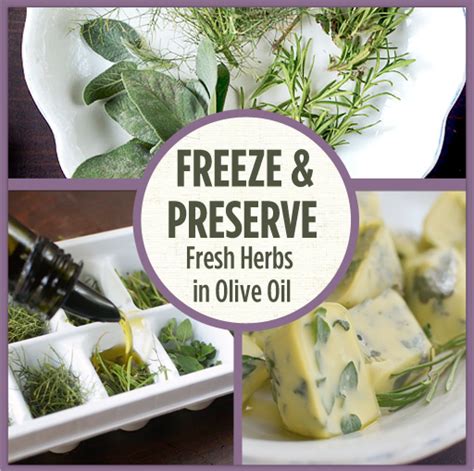
When you have an abundance of herbs or want to preserve them for several months, freezing is an excellent option. This works well for most herbs, including parsley, cilantro, dill, chives, mint, rosemary, thyme, and oregano.
- Chop: Wash and thoroughly dry the herbs. Chop them finely or leave them in larger pieces, depending on your intended use.
- Ice Cube Trays: Pack the chopped herbs into ice cube trays.
- Add Liquid: Cover the herbs with a little water, vegetable broth, or olive oil.
- Freeze: Freeze until solid. Once frozen, pop out the herb cubes and transfer them to a freezer-safe bag or container.
These frozen herb cubes can be added directly to soups, stews, sauces, and roasts, providing a burst of fresh flavor whenever needed. They can last for several months in the freezer.
General Tips for Maximizing Herb Freshness
- Inspect Regularly: Check your stored herbs every few days. Remove any leaves that show signs of wilting, discoloration, or sliminess to prevent spoilage from spreading.
- Avoid Washing Until Use (Mostly): For most methods, it’s best to wash herbs just before you’re ready to use them. The exception is when using the damp paper towel method, where initial drying is crucial.
- Proper Air Circulation: While some methods use bags, avoid tightly sealing them, as this can trap too much moisture and encourage mold growth. A loose cover is usually sufficient.
By implementing these tried-and-true herb storage methods, you’ll dramatically reduce food waste and always have fresh, aromatic herbs on hand to elevate your cooking. Say goodbye to sad, wilted greenery and hello to a kitchen full of vibrant flavor!