





What visual clues help real foodies find authentic local eats fast?
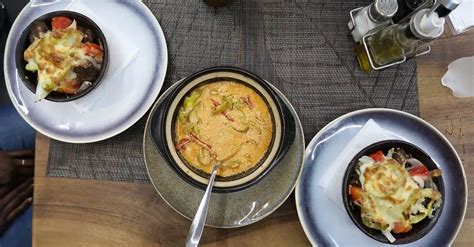
For the avid traveler and culinary explorer, the quest for authentic local food is often the highlight of any journey. But in a sea of tourist traps and generic eateries, how do real foodies — the ones who truly understand and appreciate regional flavors — swiftly pinpoint those hidden gems? It’s not about guidebooks or online reviews alone; it’s about honing your observational skills and recognizing specific visual cues that scream authenticity.
The Power of the Crowd: Who’s Eating There?
Perhaps the most immediate and telling clue is the demographic of the diners. A restaurant packed with locals during typical meal times is almost always a sure-fire indicator of quality and authenticity. Look for families, business people, or groups of friends who appear to be residents, comfortably navigating the menu and conversing in the local tongue. Conversely, a place primarily filled with tourists, especially those poring over maps or speaking only English in a non-English-speaking country, often signals a less authentic, more commercially-oriented experience.
Observe the flow: Is there a consistent buzz, a queue forming, or a constant turnover of tables? These are all positive signs that the food is not only good but also beloved by the community. A quiet, empty restaurant during peak hours, unless it’s a very niche or high-end spot, should raise a red flag.
The Menu’s Message: Simplicity and Specificity
Next, cast your eyes over the menu. Authentic local eateries often feature shorter, more focused menus. They specialize in a handful of dishes done exceptionally well, rather than offering a vast, international selection that caters to every possible taste. Look for dishes named in the local language, sometimes with handwritten additions or daily specials chalked on a board. A menu translated into five languages with glossy pictures of every dish might be convenient, but it rarely signals a place where grandmothers are still stirring pots of age-old recipes.
Pay attention to the ingredients listed (or implied). If a restaurant proudly showcases seasonal, locally sourced produce or unique regional ingredients, that’s a strong hint they care about tradition and quality. The absence of “international favorites” like pizza or burgers in a non-Western country, unless it’s a dedicated fast-food joint, is often a good sign.

Decor and Ambiance: Unpretentious Charm
Forget the fancy tablecloths and designer lighting. True local gems often possess a humble, unpretentious decor. Worn tables, simple chairs, perhaps a few utilitarian decorations, and an overall lived-in feel are often hallmarks. The focus isn’t on creating a trendy atmosphere but on serving delicious food. Sometimes, the decor itself tells a story – faded photographs of the town, traditional artwork, or even just the practical setup of a family-run establishment.
While some traditional restaurants can be quite ornate, particularly in certain cultures, a generally down-to-earth aesthetic that prioritizes comfort and functionality over ostentation is a good indicator. If the restaurant looks like it hasn’t changed much in decades, that’s often a very good sign it’s a time-tested local favorite.

Visible Operations: The Kitchen and Ingredients
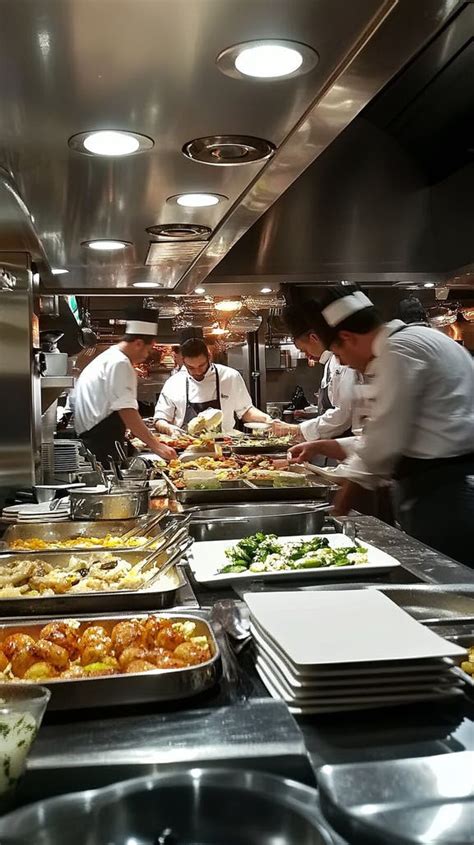
Can you see into the kitchen or observe any food preparation? An open kitchen, or even just a visible workspace where ingredients are being chopped, kneaded, or cooked, can be a wonderful clue. It speaks volumes about transparency and pride in their craft. Similarly, if you can see fresh produce, cuts of meat, or seafood prominently displayed, it suggests a commitment to fresh, quality ingredients.
In some cultures, street food stalls are the epitome of authentic local eats. Here, the entire preparation process is usually laid bare. Even in sit-down restaurants, a peek at the freshness of ingredients, or the hustle and bustle of a busy, clean kitchen, can confirm you’re in the right place.

The “No-Frills” Factor and Location Logic
Authentic local eateries are often not found on the main tourist boulevards. They might be tucked away on a side street, in a residential neighborhood, or even in an unassuming alleyway. Their focus isn’t on attracting passing tourist trade but on serving their established local clientele. A slightly worn exterior, a subtle sign, or a location that requires a bit of purposeful searching can be very rewarding.
They might not have elaborate websites or be heavily advertised online. Word-of-mouth is often their primary marketing strategy among locals. These places often prioritize the food and service over flashy presentation or prime real estate.

Mastering the Art of Culinary Detection
Becoming adept at spotting authentic local eats is a skill that develops with practice and keen observation. By tuning into these visual cues – the composition of the crowd, the simplicity of the menu, the unpretentious decor, visible fresh ingredients, and the unassuming location – foodies can dramatically increase their chances of discovering truly memorable culinary experiences. So next time you’re exploring a new destination, put away the smartphone for a moment and let your eyes guide you to your next delicious adventure.