



How to frame Visual Bites to instantly hook Real Foodies to unique recipes?
The Power of the First Impression: Captivating Real Foodies
In the vibrant world of culinary arts and food blogging, where unique recipes compete for attention, the visual appeal of a dish is paramount. For “Real Foodies” – individuals driven by an authentic passion for gastronomy, quality ingredients, and innovative flavors – the first impression is almost entirely visual. A well-framed “Visual Bite” isn’t just a pretty picture; it’s an invitation, a promise of flavor, and a story waiting to be devoured. Mastering the art of presenting your unique recipes through compelling visuals is the key to instant engagement and turning casual browsers into devoted followers.
Understanding the Real Foodie Mindset
Real Foodies are discerning. They don’t just eat; they experience. Their palates are sophisticated, and their curiosity for unique culinary experiences is insatiable. When they encounter a recipe, they’re looking beyond mere instructions. They seek inspiration, a connection to the ingredients, and an anticipation of the sensory journey ahead. This means your visual bites must:
- Evoke Authenticity: Showcase real, high-quality ingredients.
- Highlight Uniqueness: Visually communicate what makes your recipe special.
- Tell a Story: Hint at the origin, the process, or the feeling associated with the dish.
- Promise Flavor: Use lighting and composition to make the food look utterly delicious.
Elements of an Irresistible Visual Bite
Crafting a visual bite that instantly hooks a Real Foodie requires a thoughtful approach to several key photographic and styling elements:
1. Composition: The Art of Arrangement
How you arrange your food and props within the frame dictates where the viewer’s eye goes. Employ techniques like the rule of thirds, leading lines, and negative space to create balance and focus. Always ensure your hero dish is the undisputed star, with supporting elements enhancing rather than distracting.
2. Lighting: Your Most Powerful Ingredient
Natural light is almost always your best friend. Soft, diffused natural light can bring out textures, highlight vibrant colors, and create appealing shadows that add depth. Avoid harsh, direct sunlight. Side or backlighting often works wonders for making food look fresh and enticing, revealing details that flat front-lighting might hide.
3. Color and Texture: A Feast for the Eyes
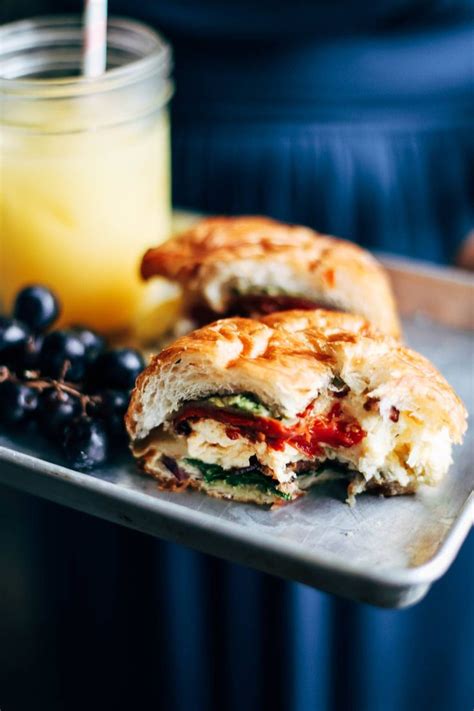
Real Foodies are drawn to vibrant, natural colors and appealing textures. Ensure your visual bite showcases these aspects prominently. Think about contrasting colors (e.g., bright green herbs on a creamy soup) and varying textures (e.g., crispy skin, creamy interior) to make the image dynamic and appetizing. Use fresh garnishes to add a pop of color and freshness.
4. Props and Background: Setting the Scene
Minimalism often works best. Choose props that complement, not overpower, your dish. Think rustic wooden boards, elegant ceramics, vintage cutlery, or a subtly textured linen napkin. The background should be clean and uncluttered, adding to the atmosphere without competing for attention. Consider the story your props tell – do they hint at comfort, sophistication, or a particular cuisine?
Showcasing Uniqueness Through Visuals
Your unique recipes deserve visuals that do them justice. Here’s how to highlight what makes them special:
- Focus on the Star Ingredient: If your recipe features an unusual or premium ingredient, make sure it’s visually prominent, perhaps in its raw form or as a key element in the finished dish.
- Highlight Distinctive Techniques: If a unique cooking method (e.g., a perfect sear, a delicate drizzle) contributes to the dish’s allure, try to capture that moment or its stunning result.
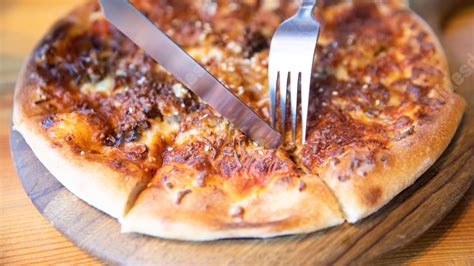
- Emphasize Layers and Cross-Sections: For dishes with intricate layers or fillings, a thoughtfully cut cross-section can be incredibly appealing, revealing the complexity and deliciousness within.
- Capture the “Money Shot”: This is the angle or moment that best showcases the dish’s most appetizing feature – whether it’s the gooey cheese pull, the glistening sauce, or the perfectly puffed pastry.
Practical Tips for Framing and Styling
- Shoot from Different Angles: Experiment with overhead shots (flat lay), eye-level perspectives, and dynamic close-ups to find the most flattering view.
- Use Negative Space Intentionally: Don’t feel the need to fill every corner of the frame. Empty space can draw attention to your subject and create a sense of elegance.
- Create a Sense of Abundance: Even with a single dish, strategically placed crumbs, a strategically messy spoon, or a few scattered fresh herbs can suggest deliciousness and vitality.
- Embrace Imperfection: Sometimes, a slightly imperfect, handmade look can convey authenticity and warmth, resonating more deeply with Real Foodies than overly stylized, artificial perfection.
- Edit Thoughtfully: Enhance colors, adjust contrast, and sharpen details without making the food look unnatural. The goal is to make it look even more appetizing than it already is.
Conclusion: Your Visuals, Their Culinary Journey
In the digital age, a compelling Visual Bite is the indispensable gateway to your unique recipes. By understanding the Real Foodie’s desire for authenticity, quality, and inspiring culinary narratives, and by meticulously crafting your images with attention to composition, lighting, color, and purposeful styling, you don’t just present a recipe – you ignite a craving. Master these visual storytelling techniques, and watch as your unique creations instantly hook and captivate the palates and imaginations of food lovers everywhere.