



How to create Visual Bites that make foodies instantly crave the recipe?
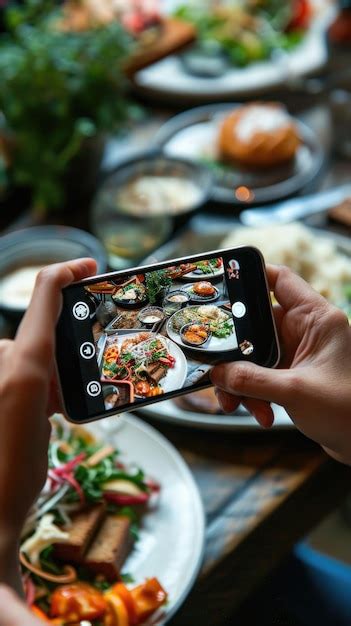
The Irresistible Power of Food Imagery
In the digital age, a picture is worth more than a thousand words – it’s worth a thousand cravings. For food creators, bloggers, and brands, the ability to transform a delicious recipe into an instantly craveable visual bite is paramount. Foodies eat with their eyes first, and a stunning photograph can be the difference between a casual scroll and an eager click to your recipe. This guide will walk you through the art and science of creating visuals that don’t just showcase food, but tell a story and ignite an immediate desire.
Mastering Light: Your Recipe’s Best Friend
Light is the single most important ingredient in food photography. It can make your dish look fresh and vibrant or dull and unappetizing. Always prioritize natural light – it’s soft, diffused, and creates beautiful, realistic colors. Position your food near a window, ideally with the light coming from the side or slightly behind the dish, to create depth and highlight textures. Avoid direct overhead light, which can create harsh shadows and flatten your image.
If natural light isn’t available, invest in a good artificial lighting setup, such as an LED panel with a diffuser. The goal is to mimic the softness of natural light, eliminating harsh reflections and shadows that can detract from your food’s appeal.
Artful Composition and Plating Techniques
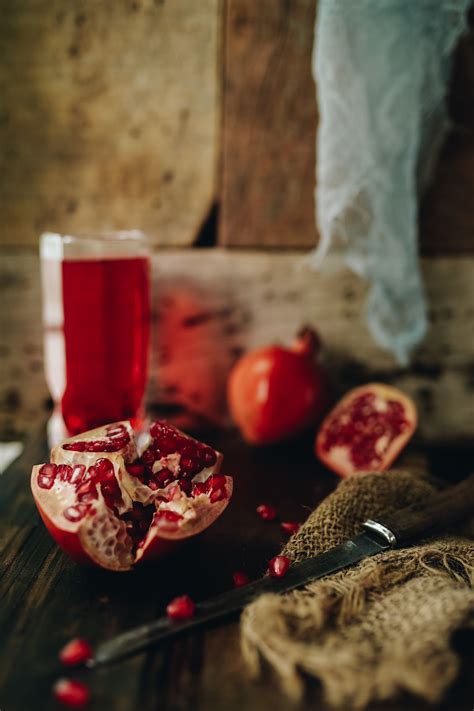
Once your lighting is sorted, focus on how you present the food itself. Plating is an art form that deserves attention. Think about balance, color, and texture. Arrange ingredients in a way that is inviting and easy to understand. Use negative space to draw the eye to your main subject, and apply principles like the rule of thirds to create visually interesting layouts.
Garnishes aren’t just for restaurants; a sprinkle of fresh herbs, a zest of citrus, or a drizzle of sauce can add a pop of color and freshness, elevating the dish from simply prepared to professionally presented. Remember, every element in your frame should serve a purpose in enhancing the food’s appeal.
Props and Backgrounds: Setting the Scene
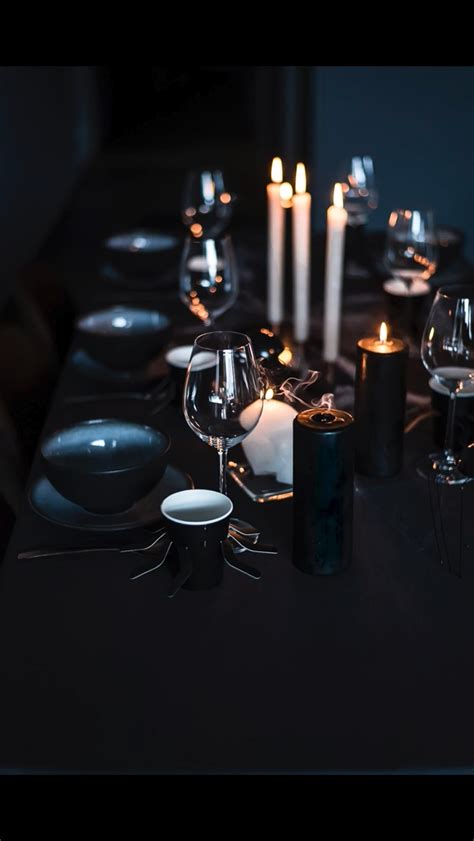
The right props and background can transform a simple food shot into a compelling visual narrative. Choose props that complement your dish without overpowering it. Think about the story you want to tell: Is it a cozy breakfast scene? A vibrant summer picnic? Rustic dinner? Utilize textured surfaces like wooden boards, linen napkins, or ceramic plates. Color coordination is key; select props that harmonize with the food’s palette, using muted tones to let the dish shine.
Don’t overcrowd the frame. A few well-chosen items are far more effective than a jumble of distracting accessories. Sometimes, the most powerful background is a simple, clean, and uncluttered one that allows your food to be the undisputed star.
Capturing Dynamic Angles and Details
Experiment with different camera angles to find the most flattering perspective for your dish. An overhead ‘flat lay’ shot works wonderfully for showing off a collection of ingredients or a beautifully arranged spread. Eye-level shots are great for showcasing layers or the height of a dish, while a 45-degree angle often captures the depth and overall appearance effectively.
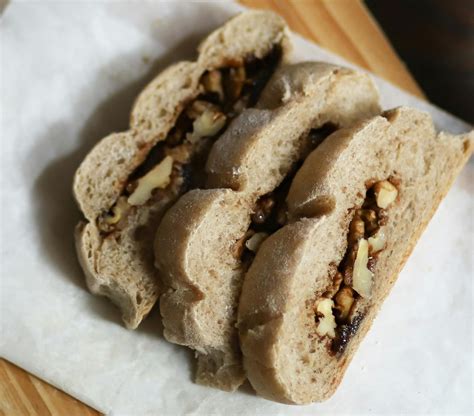
Don’t shy away from extreme close-ups to highlight specific textures, glistening sauces, or flaky crusts. These detail shots can create an intense sensory experience, making viewers almost feel the crunch or taste the sweetness. Action shots – like a sprinkle of sugar or a pour of syrup – add dynamism and liveliness to your visuals, making them more engaging.
Enhancing with Editing and Embracing Authenticity
Post-processing is where you polish your visual bites, but remember that less is often more. Subtle adjustments to exposure, contrast, white balance, and saturation can make your food truly pop. Aim for a natural, appealing look rather than an over-processed, artificial one. Correcting colors to accurately represent the dish is crucial.
Finally, always strive for authenticity. Foodies appreciate real food, not overly styled or doctored images. Showcase the genuine appeal of your recipes, and let the deliciousness speak for itself. Practice consistently, learn from every shot, and soon you’ll be creating visual bites that leave everyone craving your next culinary creation.