




Best way to keep fresh herbs vibrant for delicious foodie meals?

The Culinary Secret to Long-Lasting Fresh Herbs
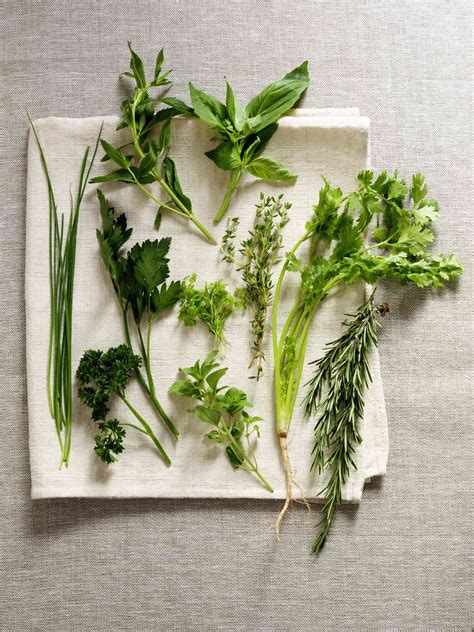
Fresh herbs are the soul of any exquisite dish, transforming ordinary ingredients into a symphony of flavors and aromas. From the bright punch of cilantro to the aromatic whispers of rosemary, they elevate a meal from simple sustenance to a gourmet experience. However, the fleeting nature of fresh herbs can be a culinary challenge. Too often, we buy a bunch only to find it wilted and lifeless days later. For the passionate home cook and the aspiring foodie, preserving the vibrancy of these delicate greens is a crucial skill. This guide will walk you through the best methods to keep your herbs perky, potent, and ready to infuse your next delicious creation.
General Principles for Herb Longevity
Before diving into specific techniques, a few universal rules apply to most fresh herbs:
- Buy Fresh: Start with herbs that look vibrant, are free of blemishes, and have a strong aroma. Avoid any that are already wilting or yellowing.
- Handle Gently: Herbs are delicate. Avoid crushing or bruising them during transport and preparation.
- Wash Only When Needed: Moisture can accelerate spoilage. If you must wash them, do so just before use, or ensure they are completely dry before storing.
Water-Based Methods: Treating Herbs Like Flowers
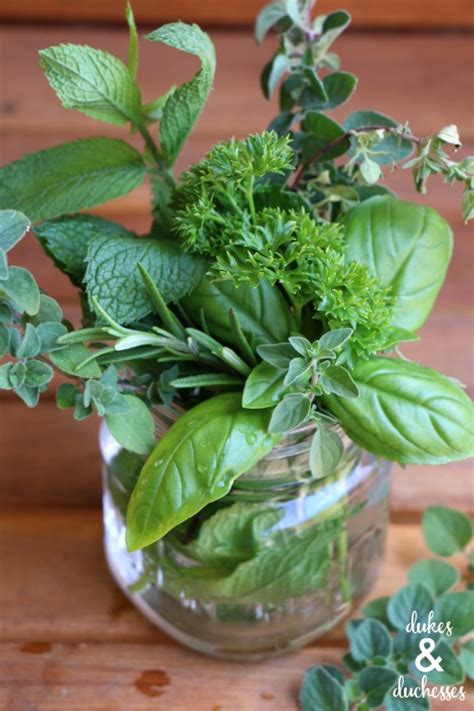
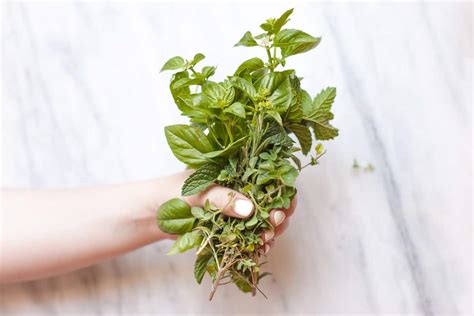
Many soft, leafy herbs thrive when treated much like a cut flower bouquet. This method is excellent for basil, parsley, cilantro, mint, and tarragon.
- Trim Stems: Upon bringing them home, trim about an inch off the bottom of the stems, much like you would cut flowers.
- Place in Water: Stand the herbs upright in a glass or jar with about an inch of fresh, cool water at the bottom.
- Cover Loosely (Optional): For extra protection, especially for delicate herbs like basil, loosely cover the top with a plastic bag. This creates a mini-greenhouse effect, retaining moisture.
- Refrigerate (Most Herbs): Place the glass in the refrigerator. Basil is an exception; it prefers room temperature, as refrigeration can cause its leaves to blacken.
- Change Water: Replace the water every 1-2 days to keep it fresh and prevent bacterial growth.
Paper Towel & Plastic Bag Method: The Refrigerator Standard
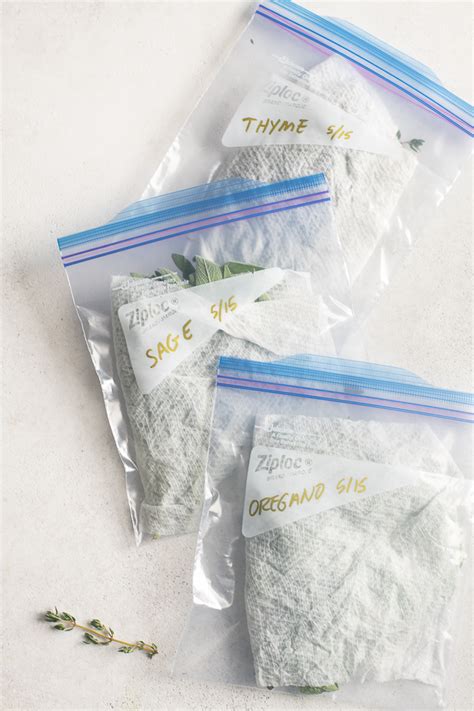
This technique is highly effective for a wide range of herbs, particularly those that don’t do as well in standing water or if you lack fridge space for jars. It works well for parsley, cilantro, dill, mint, rosemary, thyme, and oregano.
- Wash and Dry Thoroughly: If you need to wash them, ensure they are completely dry before storage. A salad spinner works wonders, or gently pat them dry with paper towels. Excess moisture is the enemy here.
- Wrap in Damp Paper Towels: Lay the dried herbs flat on a slightly damp (not soaking wet) paper towel. Roll them up gently.
- Seal in a Bag or Container: Place the wrapped herbs into a plastic zip-top bag, squeezing out as much air as possible, or an airtight container.
- Refrigerate: Store in the crisper drawer of your refrigerator.
Long-Term Solutions: Freezing and Oil Preservation
When you have an abundance of herbs or want to prepare them for future use, freezing or preserving in oil are excellent options.
Freezing Herbs
This method is fantastic for most herbs, especially hardy ones like rosemary, thyme, oregano, and even basil or parsley if you don’t mind a slight texture change (they’ll be softer when thawed). There are two main ways:
- Chop & Freeze in Ice Cube Trays: Finely chop your herbs and pack them into ice cube trays. Cover with water or, for an extra flavor boost, olive oil. Freeze until solid, then transfer the herb cubes to a freezer-safe bag. Pop out a cube whenever you need fresh flavor for soups, stews, or sauces.
- Freeze on a Baking Sheet: For whole leaves (like basil or sage), spread them in a single layer on a baking sheet and flash freeze until firm. Then, transfer to a freezer-safe bag. This prevents them from clumping together.
Preserving Herbs in Oil
Hardy herbs like rosemary, thyme, sage, and oregano can be preserved in oil. Simply immerse clean, dry sprigs in a jar of good quality olive oil. Ensure the herbs are fully submerged. Store in the refrigerator. The oil will absorb the herb’s flavor, making a delicious infused oil for cooking, and the herbs themselves can be used (though their texture will change). Important Note: When preserving herbs in oil, always refrigerate and use within a few weeks to prevent botulism risk. For longer storage, freeze the oil-herb mixture.
Tailoring Care to Specific Herbs
- Basil: As mentioned, basil prefers room temperature. Trim stems, place in water (like flowers), and loosely cover with plastic, but keep it out of the fridge.
- Hardy Herbs (Rosemary, Thyme, Oregano, Sage): These sturdy herbs are quite forgiving. The paper towel and plastic bag method works well, and they also freeze beautifully.
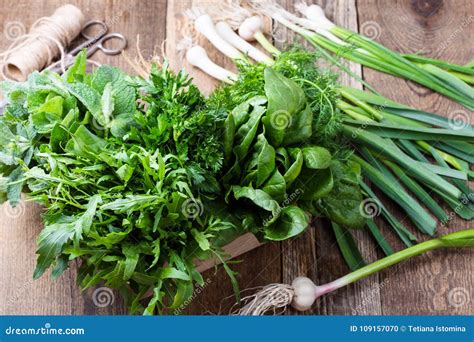
- Delicate Herbs (Cilantro, Parsley, Dill, Mint): These perform best with the water-based method (in the fridge, except basil) or the damp paper towel method.
Why Fresh Herbs Matter for Foodie Meals
For those who love to cook and appreciate fine dining, fresh herbs are non-negotiable. Their vibrant colors add visual appeal, their complex aromas deepen the sensory experience, and their fresh, unadulterated flavors provide a counterpoint to richer ingredients. Dried herbs have their place, but they often lack the brightness and nuanced notes of their fresh counterparts. By mastering herb preservation, you ensure that every dish you prepare can reach its full flavor potential, making every meal a truly delicious foodie experience.
Conclusion
Keeping fresh herbs vibrant doesn’t have to be a daunting task. With a few simple techniques – whether it’s treating them like a bouquet, wrapping them in damp paper towels, or preserving them for the long term – you can significantly extend their life and ensure their peak flavor. Incorporating these habits into your kitchen routine will not only reduce food waste but also guarantee that your culinary creations are consistently infused with the freshest, most aromatic notes. Happy cooking, and enjoy those delicious, herb-enhanced meals!