



Quick healthy meals: best visual hacks for busy real foodies?
Streamline Your Kitchen: Visual Hacks for Effortless Healthy Eating
In a world that constantly demands our time and attention, maintaining a healthy, real-food diet often feels like an uphill battle, especially for the perpetually busy. But what if we told you that unlocking quick, nutritious meals isn’t about more time, but about smarter visual strategies? For the discerning “real foodie” who refuses to compromise on quality but is short on minutes, visual hacks can transform your kitchen into an efficiency powerhouse.

The Power of Seeing: Transforming Meal Prep with Visual Cues
Our brains are wired for visual processing. By leveraging this inherent ability, you can drastically reduce decision fatigue and speed up meal preparation. It starts with making healthy choices more visible and accessible. Think about your refrigerator: is it a chaotic jumble or a neatly arranged gallery of nutritious ingredients?
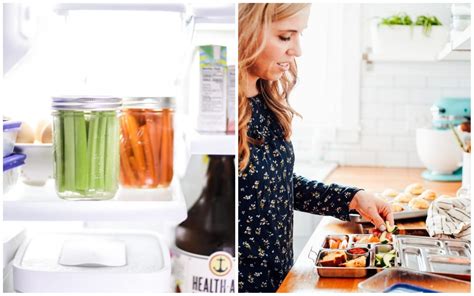
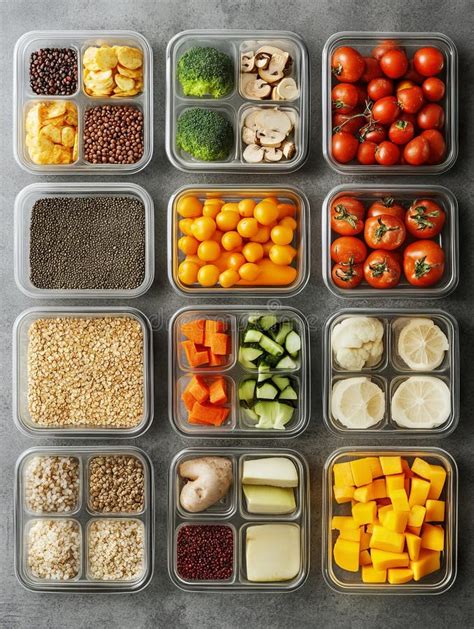
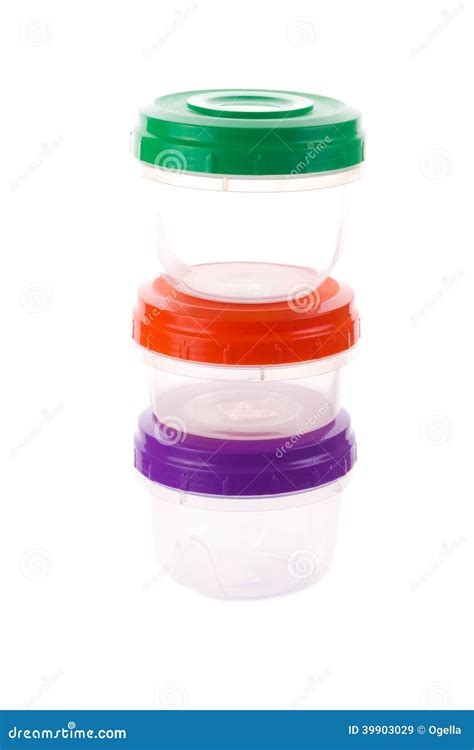
One of the simplest yet most effective visual hacks is using transparent containers. Store pre-chopped vegetables, washed greens, and cooked grains in clear containers at eye level. This isn’t just about aesthetics; it’s about making healthy options the first thing you see and the easiest thing to grab, thereby reducing the temptation for less healthy, pre-packaged alternatives.
Color-Coding Your Way to Nutrient Density
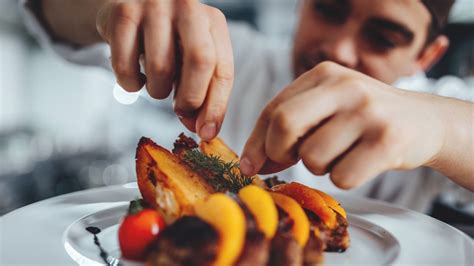
Embrace the rainbow! Visually appealing food isn’t just for Instagram; it’s a powerful indicator of nutrient diversity. When plating your meals, aim for a vibrant array of colors. This visual cue instinctively guides you towards a broader spectrum of vitamins, minerals, and antioxidants. Segment your plate mentally: half vegetables, a quarter protein, and a quarter healthy carbs. This visual balance ensures a complete and satisfying meal without tedious measuring.
Extend this principle to your pantry and fridge. Group similar colored items together, or dedicate specific shelves to different food groups. For example, all red peppers and tomatoes on one shelf, all leafy greens in one crisper drawer. This organization makes inventory assessment and meal planning a breeze.

Portioning by Sight: Ditching the Scales for Intuition
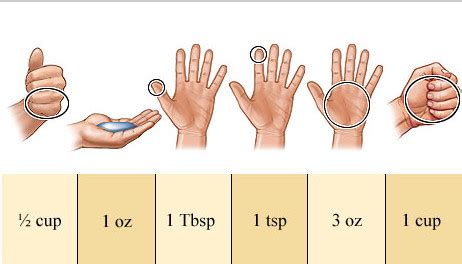
Who has time to weigh every ingredient? Visual portioning is a game-changer for busy real foodies. Learn to eyeball appropriate serving sizes using simple hand cues. A cupped hand for grains or starchy vegetables, a palm-sized portion for protein, and a thumb-sized portion for healthy fats are excellent starting points. Over time, your visual estimation will become incredibly accurate, saving you precious minutes and mental energy.
Another hack is to use consistent plate and bowl sizes. By always using the same small to medium-sized plates, you visually train yourself to fill them appropriately without overserving. The same goes for snack bowls – a small ramekin of nuts looks much more substantial than a handful thrown onto a large dinner plate.
Visual Cues for Speed-Cooking and Doneness
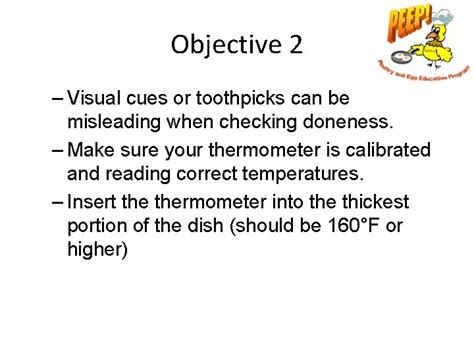
Cooking quickly and efficiently means knowing when your food is perfectly done without constant thermometer checks or endless poking. Develop a keen eye for visual cues of doneness. For vegetables, look for vibrant colors and slight tenderness – a bright green broccoli floret is perfectly cooked, while a dull, olive-green one is overcooked. For proteins like chicken, look for opacity and a firm texture, or the tell-tale clear juices when pierced. Learning these visual markers will drastically reduce cooking time and improve meal quality.
For stir-fries or roasted vegetables, observe the caramelization. A slight char or browning indicates enhanced flavor and texture. For baked goods, the golden-brown crust is often the best indicator of readiness. Training your eyes for these subtle changes will make you a more confident and faster cook.
Creating Your Visual Playbook for Quick Reference
Beyond the kitchen organization, consider creating a visual playbook of your favorite go-to meals. Simple laminated cards with pictures of ingredients and minimal instructions can be incredibly helpful. Think “recipe snapshots” that allow you to quickly scan and recall the components of a beloved dish. You could also create a visual “food pairing” chart on your fridge—a quick reference for what proteins go well with which vegetables and grains, eliminating decision fatigue when you’re staring into an open refrigerator.
By integrating these visual hacks into your daily routine, you’re not just saving time; you’re building a more intuitive, enjoyable, and sustainable approach to healthy eating. Embrace the power of sight, and watch as your kitchen transforms into a hub of efficiency, making real food a quick and easy reality, even on your busiest days.