




Secret to perfectly non-stick pans for that beautiful, even sear?
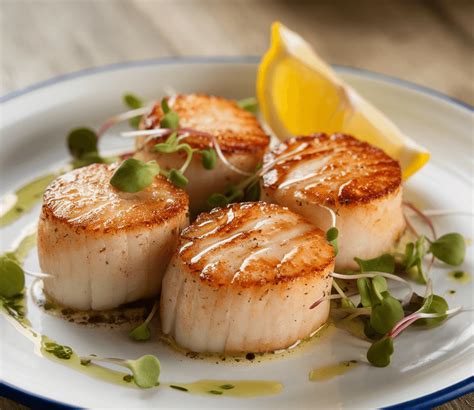
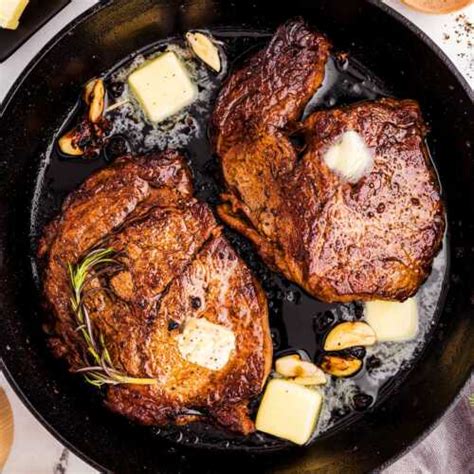
Achieving that coveted golden-brown crust on your steak, perfectly seared scallops, or a beautifully caramelized onion often hinges on one crucial element: a truly non-stick pan. But what if your pans seem to betray you, leaving behind stuck-on bits and an uneven finish? The secret isn’t always in buying the most expensive cookware; often, it’s about understanding and applying a few fundamental principles.
Understanding Your Pan’s Potential
Different pan materials offer varying levels of natural non-stick properties and require specific care to perform optimally:
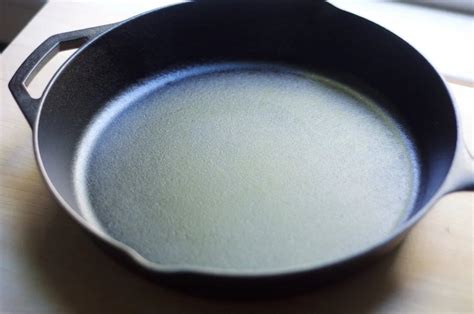
- Cast Iron: Famous for its durability and heat retention, cast iron relies on a properly seasoned surface – a layer of polymerized oil – to become non-stick. This isn’t a factory coating but a surface you build and maintain.
- Stainless Steel: Often perceived as ‘sticky,’ stainless steel can be surprisingly non-stick with the right technique. Its excellent heat conduction makes it ideal for searing, but it demands precise temperature control and sufficient fat.
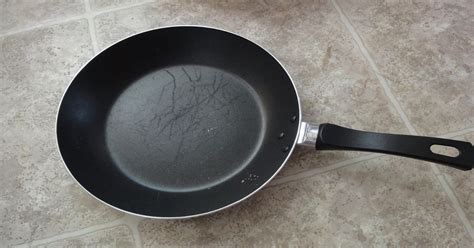
- Non-stick Coated: These pans come with a factory-applied coating (like PTFE or ceramic) designed for easy release. While convenient, their non-stick properties degrade over time with improper use and care.
The Science of Non-Stick: Heat, Oil, and Patience
No matter the pan type, these principles are universal for achieving a non-stick surface and an even sear:
1. Proper Preheating is Paramount
This is arguably the most critical step. A cold pan with food immediately translates to sticking. Preheat your pan gradually over medium heat. For stainless steel, you know it’s ready when a drop of water beads up and dances across the surface (the Leidenfrost effect) before evaporating. For cast iron, it should be hot enough that a drop of water sizzles instantly. For non-stick, avoid excessive heat which can damage the coating.
2. Use the Right Amount and Type of Fat
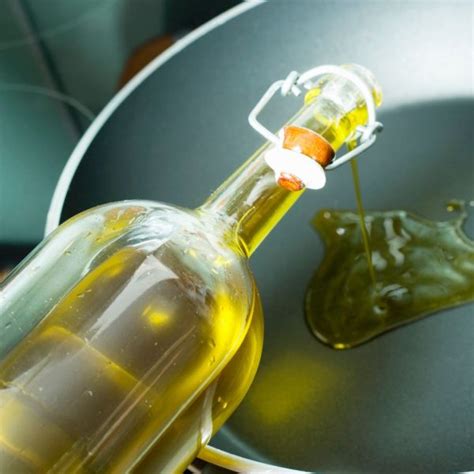
Fat acts as a barrier between your food and the pan, preventing sticking and aiding in browning. Use enough fat to lightly coat the bottom of the pan – whether it’s oil, butter, or ghee. Choose fats with a high smoke point for searing, like grapeseed, avocado, or refined olive oil.
3. Dry Your Food
Moisture is the enemy of a good sear and a non-stick surface. Pat your food thoroughly dry with paper towels before placing it in the hot pan. Excess moisture will steam the food instead of searing it and can cause sticking.
Mastering the Sear Technique
Once your pan is hot and oiled, and your food is dry, the technique comes into play:
- Don’t Overcrowd the Pan: Placing too much food in the pan will lower the temperature, leading to steaming instead of searing, and inevitably, sticking. Cook in batches if necessary.
- Let It Cook: Resist the urge to move the food too soon. Allow a crust to form naturally. When the food is ready to release, it will do so with minimal resistance. If it’s sticking, it likely needs more time to develop that beautiful sear.
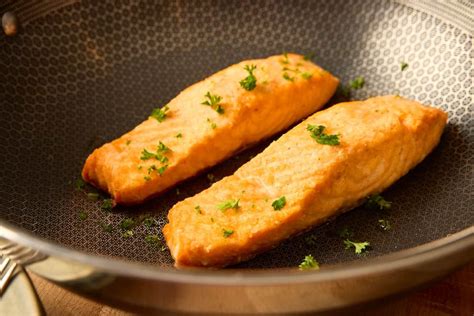
- Even Pressure: For some items, like chicken skin or fish fillets, applying gentle, even pressure with a spatula for the first minute or two can help ensure full contact with the pan and a uniform sear.
Maintenance for Lasting Performance
Proper care extends the life of your pan’s non-stick properties:
- Cleaning: For cast iron, avoid harsh soaps that strip seasoning; simply scrub with hot water and a stiff brush, then dry thoroughly and re-oil. For stainless steel and non-stick, use warm soapy water and a soft sponge. Avoid abrasive scrubbers that can scratch surfaces.
- Storage: Protect your pans. For non-stick, place a paper towel or felt protector between pans when stacking to prevent scratches.
- Re-seasoning: Regularly re-season cast iron pans by applying a thin layer of oil and baking them upside down in a hot oven for an hour.

Achieving a perfectly non-stick pan and an even sear is a skill honed with practice, not just a feature of the pan itself. By mastering proper preheating, understanding the role of fat, preparing your ingredients correctly, and maintaining your cookware, you’ll soon be enjoying beautifully seared dishes every time.