




Secret to perfect ingredient prep: how to uniformly chop veggies for visual feasts?

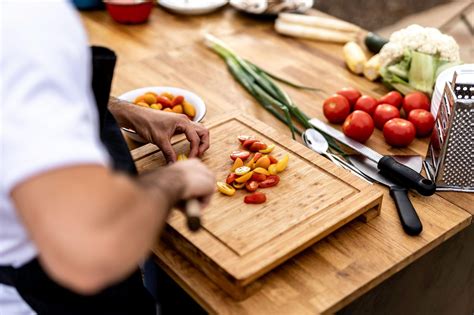
In the world of cooking, presentation is just as crucial as taste. While a dish might be delicious, its visual appeal can elevate the entire dining experience from good to extraordinary. The secret often lies in the meticulous art of ingredient preparation, specifically, uniformly chopping vegetables. This isn’t just about aesthetics; uniform cuts ensure even cooking, leading to a perfectly textured and flavored meal every time.
Why Uniformity Matters Beyond Looks
Many home cooks overlook the importance of uniform vegetable cuts, but this fundamental technique plays a pivotal role in the success of any dish. When vegetables are cut into similar sizes and shapes, they cook at the same rate, preventing some pieces from becoming overcooked and mushy while others remain raw and crunchy. This consistency is vital for stir-fries, soups, roasted vegetables, and salads, where every bite should offer a harmonious blend of textures.
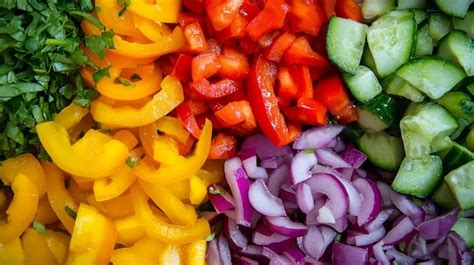
Beyond the functional aspect, uniform chopping undeniably makes your food more appealing. Imagine a vibrant salad with perfectly diced cucumbers and tomatoes, or a hearty stew where every carrot and potato cube is a mirror image of the next. Such attention to detail showcases care and professionalism, turning simple ingredients into a work of art.
The Foundation: Essential Tools for Precision
Achieving uniform cuts begins with the right equipment. You don’t need a professional kitchen setup, but a few key tools will make a significant difference:
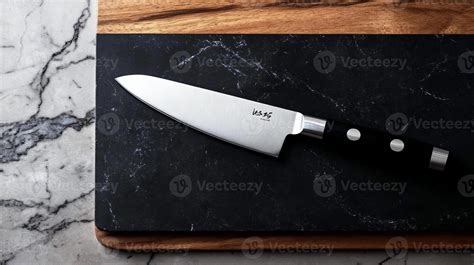
- Sharp Chef’s Knife: This is your most important tool. A sharp knife requires less force, reducing the risk of slippage and allowing for cleaner, more precise cuts. Invest in a good quality knife and learn how to maintain its sharpness.
- Stable Cutting Board: A sturdy, non-slip cutting board provides a safe and secure surface for chopping. Wood, bamboo, or high-quality plastic boards are excellent choices.
- Peeler: For root vegetables or anything requiring skin removal, a good peeler is essential for efficiency and safety.
Mastering Basic Cuts: Techniques for Common Vegetables
Let’s break down how to approach some common vegetables to achieve uniform results.
Onions: The Perfect Dice
- Cut the onion in half lengthwise through the root end. Peel off the outer layers.
- Place one half flat on the cutting board. Make horizontal cuts towards the root, but not through it (the root holds the onion together).
- Make vertical cuts, perpendicular to the horizontal ones, again not cutting through the root.
- Finally, make vertical cuts across the onion, from the top towards the root, and perfectly diced pieces will fall away.
Carrots & Celery: Consistent Batons and Cubes
- Peel the vegetable.
- Trim the ends. Cut the vegetable into manageable lengths (e.g., 2-3 inches).
- For batons (julienne or larger sticks), slice off one side to create a flat base, then slice uniform planks. Stack these planks and cut them into sticks.
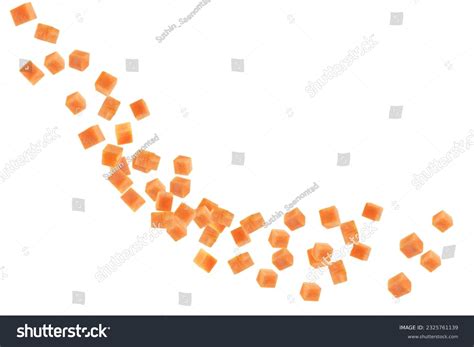
- For cubes (dicing), take your batons and cut them across into uniform cubes.
Bell Peppers: Clean Squares
- Cut off the top and bottom of the pepper.
- Stand the pepper upright and make a vertical cut down one side, releasing a large flat panel.
- Continue cutting around the core to create more flat panels, discarding the core and seeds.
- From these flat panels, you can easily cut uniform strips, then turn and cut into perfect squares or diamonds.

Tips for Precision and Safety
- The Claw Grip: Always tuck your fingertips under, forming a claw shape with your non-dominant hand. Use your knuckles as a guide for the knife blade. This protects your fingers and ensures consistent slicing.
- Steady Base: Before making any cuts, ensure your vegetable is stable on the cutting board. Trim off a small piece to create a flat side if necessary.
- Take Your Time: Speed comes with practice. Focus on precision and safety first. Rushing leads to inconsistent cuts and accidents.
- Keep Your Knife Sharp: A dull knife is dangerous and makes uniform chopping nearly impossible. Learn to use a honing steel regularly and sharpen your knife as needed.
- Clean Your Board: Keep your cutting area clean. Scrape away chopped pieces frequently to maintain a clear workspace.
Practice Makes Perfect
Uniform chopping is a skill that improves with practice. Don’t get discouraged if your first attempts aren’t perfect. Start with forgiving vegetables like potatoes or bell peppers, and gradually work your way up to more challenging ones. Incorporate these techniques into your daily meal prep, and you’ll soon find yourself effortlessly creating visually stunning and perfectly cooked dishes.
Conclusion
Transforming your kitchen experience and the aesthetic appeal of your meals doesn’t require advanced culinary degrees. It often comes down to mastering fundamental skills like uniform vegetable chopping. By investing in the right tools, practicing basic techniques, and prioritizing safety, you’ll not only enhance the taste and texture of your food but also create visual feasts that delight the eyes as much as they please the palate. Embrace the art of uniform prep, and watch your everyday cooking transform into something truly extraordinary.