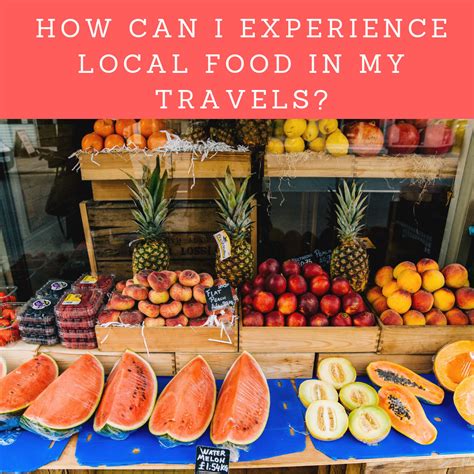





Capture travel eats: Pro tips for vibrant photos of authentic local dishes?
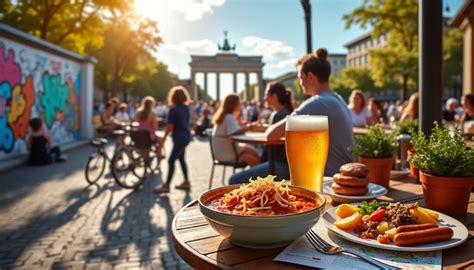
One of the most enriching aspects of travel is undoubtedly the culinary journey. From bustling street food stalls to cozy local eateries, every dish tells a story. But how do you capture that story, that vibrant essence, in a photograph that makes mouths water and memories last? It’s more than just pointing and shooting; it’s about understanding light, composition, and the culture behind the plate. This guide will equip you with professional tips to transform your travel food photos from mere snapshots into tantalizing visual feasts.
Mastering Light: Your Best Ingredient
Light is the single most crucial element in food photography. Forget artificial flash; it often flattens the image and creates harsh shadows. Instead, seek out natural light sources.
Embrace Natural Light
When dining, try to sit near a window or outdoors under diffused sunlight. Overcast days are a food photographer’s best friend, providing soft, even light that beautifully highlights textures and colors. If direct sunlight is too harsh, look for open shade.
Avoid Direct Flash
Direct flash will wash out colors and create unflattering reflections. If natural light is scarce, consider using a high ISO setting (if your camera allows) or making the most of ambient restaurant lighting, even if it means a slightly moodier shot.
Composition and Angles: Framing the Feast
The way you arrange your shot can dramatically impact its appeal.
The Overhead Shot (Flat Lay)
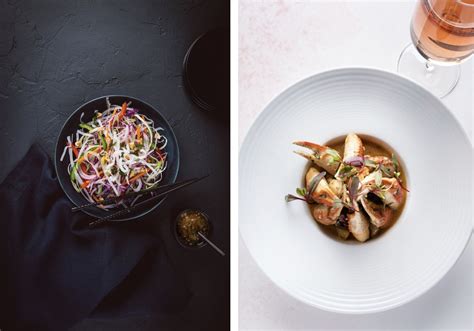
This classic angle works wonderfully for tables laden with multiple dishes, showing off variety and presentation. Shoot directly from above, ensuring all elements are in focus and well-arranged. It’s excellent for depicting a full meal experience.

The 45-Degree Angle (Eye Level)
Often referred to as the ‘diner’s perspective,’ this angle is great for dishes with height or interesting textures on top. It mimics how you’d naturally see the food when seated, creating an intimate and inviting feel.
Close-Ups and Details
Don’t be afraid to get close! Focus on a specific ingredient, a unique texture, or the steam rising from a hot dish. These detail shots add context and emphasize the freshness or intricacy of the food.
Storytelling Through Styling and Props
Beyond the food itself, the surroundings and subtle elements can enhance your narrative.
Incorporate the Environment
Let your background hint at the location. A blurred bustling market scene, a rustic table cloth, or traditional cutlery can add a powerful sense of place and authenticity. Don’t be afraid to include a hand holding chopsticks or a fork to add a human element and scale.
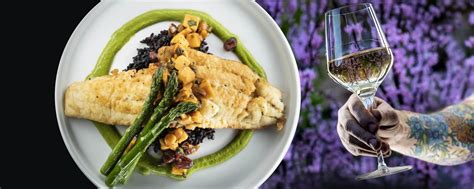
Mind the Mess (But Only a Little)
Sometimes, a slight imperfection adds to the authenticity. A few crumbs, a drip of sauce, or steam can make a dish look more inviting and ‘real,’ but avoid anything genuinely unappetizing.
Colors and Editing: Enhancing Vibrancy
While the goal is authenticity, subtle post-processing can make your photos pop.
Boost Natural Colors
Use editing tools to subtly enhance saturation and vibrance, making colors richer without looking artificial. Adjust white balance to ensure colors are true to life – avoiding overly warm or cool tones unless intended for artistic effect.
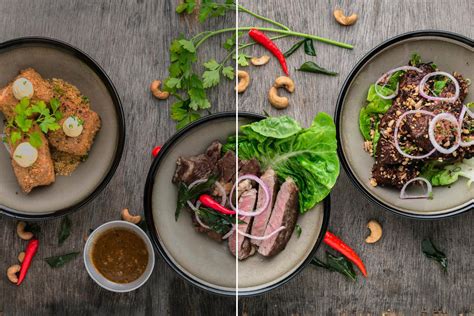
Sharpen and Adjust Contrast
A slight increase in sharpness can bring out textures, while adjusting contrast can add depth and dimension to your dishes. Be careful not to overdo either, as it can make the food look unnatural.
Cropping for Impact
Experiment with cropping to remove distracting elements and draw attention to the main subject. The rule of thirds can be a helpful guide, placing key elements off-center for a more dynamic composition.
Respect and Etiquette: Photographing with Purpose
Remember you’re often in someone else’s space, capturing their culture and livelihood.
Be Quick and Discreet
Especially in busy restaurants or street food stalls, be mindful of other diners and the staff. Get your shots efficiently without disrupting service or creating a scene.
Ask Permission if Needed
If you’re photographing a vendor or chef, or if the setting is particularly intimate, a polite request for permission goes a long way. A simple ‘Can I take a photo?’ (even with a smile and gesture if there’s a language barrier) shows respect.
Enjoy the Meal!
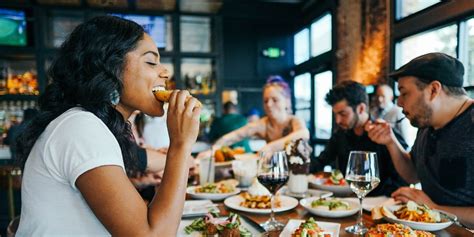
Ultimately, the food is meant to be eaten. Don’t let the pursuit of the perfect shot overshadow the experience of tasting and enjoying the authentic flavors of your travels.
Conclusion
Capturing stunning photos of authentic local dishes is a skill that blends technical understanding with an appreciation for culture and cuisine. By focusing on natural light, thoughtful composition, subtle styling, and respectful photography, you can create images that not only document your culinary adventures but also evoke the delicious memories long after the last bite. So next time you encounter a tantalizing local dish, remember these tips and let your camera tell its vibrant story.