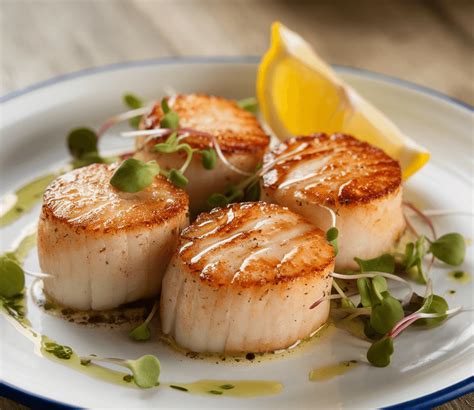
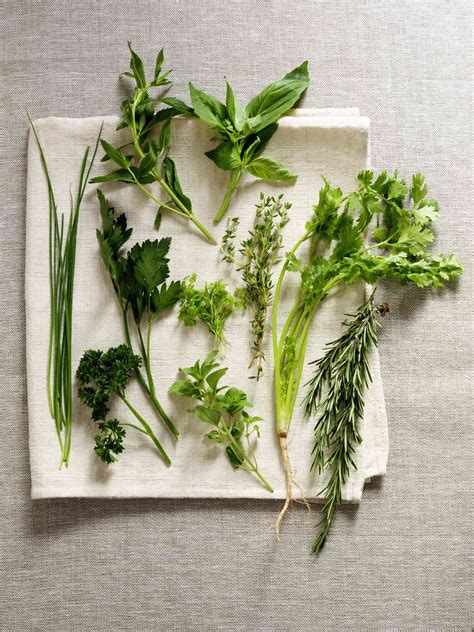
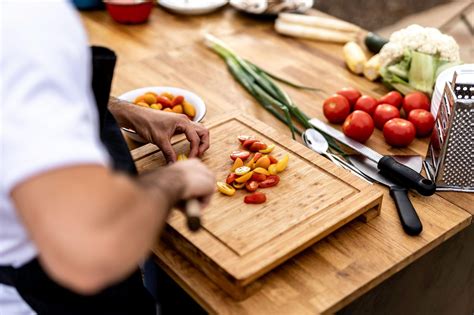
Achieve perfectly seared scallops? Visual guide to golden crusts & tender centers.
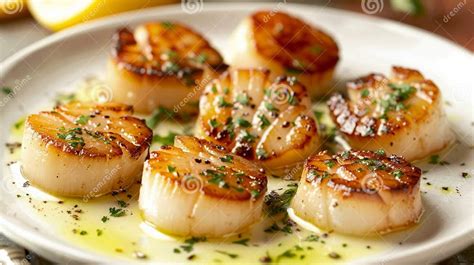
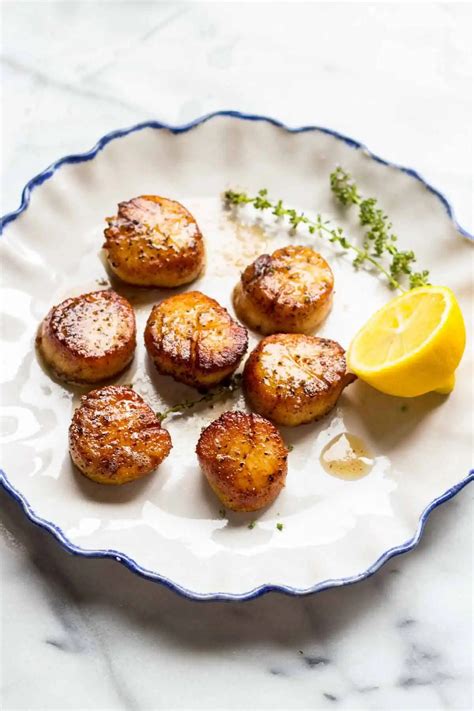
The allure of a perfectly seared scallop is undeniable – a beautiful golden-brown crust giving way to a sweet, tender, and translucent center. It’s a dish that graces high-end restaurant menus, yet with the right technique and a bit of confidence, it’s entirely achievable in your home kitchen. Many home cooks shy away, fearing rubbery results or a lack of that coveted crust. This guide will demystify the process, ensuring every scallop you cook is a testament to culinary perfection.
The Allure of the Perfect Scallop
Imagine the satisfying caramelization that forms on the surface, a delicate interplay of textures and flavors. This isn’t just about cooking; it’s about transforming a simple ingredient into something extraordinary. The key lies in understanding the science behind the sear and meticulously preparing your scallops. Forget overcooked, chewy seafood – we’re aiming for that melt-in-your-mouth tenderness with a stunning exterior.
Selecting Your Scallops: Dry vs. Wet
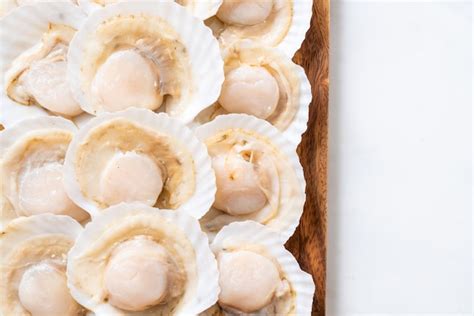
The journey to perfect scallops begins at the market. You’ll typically encounter two types: ‘wet’ and ‘dry’ scallops. ‘Wet’ scallops have been treated with a sodium tripolyphosphate solution, which makes them retain more water, increasing their weight and shelf life. However, this excess moisture makes it nearly impossible to achieve a good sear. Always opt for ‘dry’ scallops, which are untreated and come closer to their natural state. They might be slightly more expensive, but the difference in quality and sear-ability is well worth it.
Preparation is Key: The Dry Scallop Secret
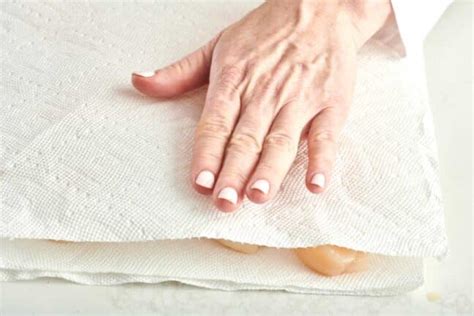
Even ‘dry’ scallops contain some surface moisture, which is the nemesis of a good sear. Moisture means steam, and steam prevents caramelization. Your most crucial preparation step is to thoroughly dry your scallops. Place them on a plate lined with paper towels, then top them with another layer of paper towels and gently press. Let them sit for at least 15-20 minutes, or even longer in the refrigerator, changing the paper towels if they become saturated. They should feel completely dry to the touch.
Setting Up for Success: Your Pan and Heat
A heavy-bottomed pan, such as cast iron or stainless steel, is essential. These pans retain heat exceptionally well, which is vital for maintaining a consistent high temperature when the scallops hit the surface. Place your pan over high heat for several minutes until it’s smoking slightly. Add a high smoke point oil like grapeseed, avocado, or refined olive oil – just enough to lightly coat the bottom. Swirl to coat, and let it heat until shimmering.

The Searing Technique: Achieving that Golden Crust
Carefully place your dried scallops into the hot pan, ensuring they are not touching each other. Overcrowding the pan will drop the temperature, leading to steaming instead of searing. Work in batches if necessary. Do not touch or move the scallops for the first 2-3 minutes. This undisturbed time is critical for developing that beautiful golden crust. You’ll see the edges start to turn opaque and the bottom develop a deep brown color.
The Flip and Finish: Butter Basting & Resting
Once a magnificent crust has formed on the first side, gently flip each scallop using tongs. Immediately add a tablespoon or two of unsalted butter to the pan, along with aromatics like a smashed garlic clove or a sprig of thyme (optional). As the butter melts and foams, tilt the pan and use a spoon to baste the scallops with the flavored butter for the remaining 1-2 minutes of cooking. This adds incredible flavor and helps ensure even cooking. Scallops cook very quickly; they are done when opaque throughout but still springy to the touch. Remove them from the pan immediately to prevent overcooking.
Common Pitfalls and How to Avoid Them
- No Crust: Likely due to wet scallops, not enough heat, or overcrowding the pan.
- Rubbery Texture: Overcooked. Scallops cook fast; err on the side of undercooking if unsure.
- Uneven Cooking: Ensure your pan is evenly heated and scallops are of similar size.
Conclusion: Master the Art of the Scallop
With patience and attention to detail, mastering seared scallops is well within your reach. By selecting dry scallops, meticulously drying them, using a hot pan, and resisting the urge to move them too soon, you’ll consistently achieve that coveted golden crust and tender, sweet interior. Serve them simply with a squeeze of lemon, over a bed of risotto, or alongside your favorite vegetables. Enjoy the satisfaction of creating a truly restaurant-worthy dish right in your own kitchen!