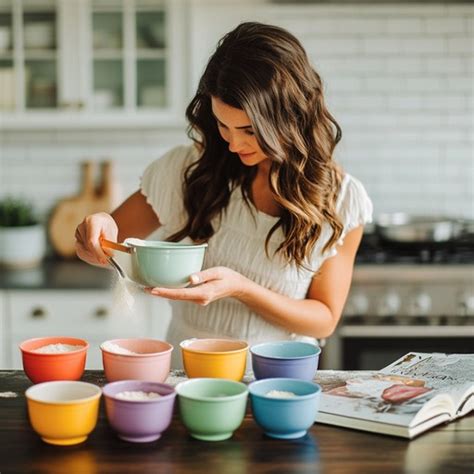
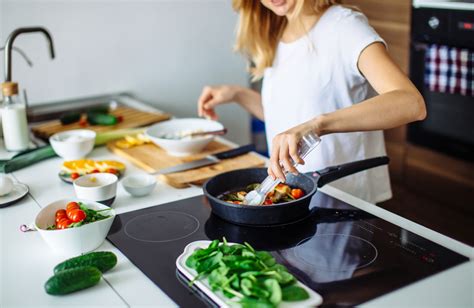
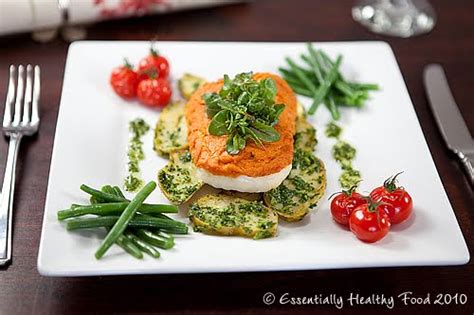
Achieve restaurant-level plating at home?
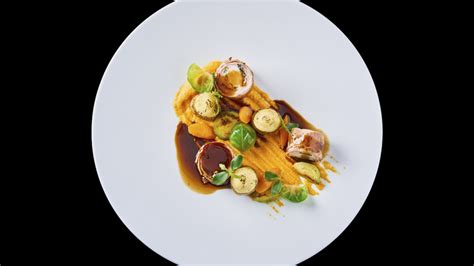
Elevate Your Home Cooking with Professional Plating
Transforming a delicious home-cooked meal into a visually stunning masterpiece might seem like a task reserved for professional chefs. However, with a few simple techniques and a little practice, you can elevate your culinary creations to restaurant-level presentation right in your own kitchen. Plating isn’t just about making food look pretty; it enhances the dining experience, making each bite feel more special and intentional.
This guide will walk you through the essential principles and practical tips to master the art of food presentation, proving that exceptional plating is within everyone’s reach.
The Fundamentals of Food Presentation
Before diving into specific techniques, understanding the core principles of good plating is crucial. Think of your plate as a canvas, and your food as the art. Key elements to consider include:
- Color: Aim for a vibrant and varied palette. Contrasting colors are visually appealing.
- Texture: Incorporate different textures – crunchy, creamy, smooth, crisp – to add interest.
- Height and Dimension: Flat food is boring. Build upwards to create visual depth.
- Balance and Flow: Distribute components harmoniously across the plate, guiding the diner’s eye.
- Focal Point: Have a star element that draws attention.
By keeping these principles in mind, you can start to envision your plated dish even before you begin cooking.
Essential Tools for the Home Plater
You don’t need a professional kitchen setup to achieve great plating. Many everyday kitchen items can be repurposed, and a few inexpensive specialized tools can make a big difference:
- Squeeze Bottles: Perfect for precise application of sauces, purees, or oils.
- Offset Spatula: Ideal for spreading purees or lifting delicate items.
- Plating Spoons/Tweezers: Great for arranging small garnishes or delicate components.
- Rings or Molds: For perfectly shaped rice, quinoa, or vegetable stacks.
- Clean Kitchen Towel: Essential for wiping plate edges for a spotless finish.
Start with what you have, and gradually acquire tools as you explore more advanced techniques.

Master These Plating Techniques
The Rule of Odds and Focal Points
Professional chefs often plate components in odd numbers (3, 5, 7) rather than even numbers. This creates a more dynamic and visually interesting arrangement. Additionally, designate a main component (e.g., the protein) as your focal point and arrange other elements to complement it, rather than competing for attention.
Building Height and Dimension
Instead of spreading everything flat, think vertically. Stack components like proteins on a bed of vegetables, or layer different elements. For instance, a risotto can be mounded, and a piece of fish placed gently on top, perhaps with a crispy garnish leaning against it. This creates drama and makes the dish more inviting.
The Art of Saucing
Sauce can be a powerful element in plating. Instead of pouring sauce over the entire dish, consider:
- Swipes: Use the back of a spoon to create an elegant swipe of sauce across the plate.
- Dots: Squeeze bottles are perfect for precise dots or pools of sauce around the dish.
- Drizzles: A thin, controlled drizzle can add a delicate touch.
Remember, less is often more. You want the sauce to enhance, not overwhelm, the other components.
Garnishing with Purpose
Garnishes aren’t just for show; they should add flavor, texture, or aroma. Fresh herbs (parsley, chives, cilantro), microgreens, edible flowers, toasted nuts, or a sprinkle of paprika can add a final flourish. Choose garnishes that complement the main ingredients and contribute to the overall balance of the dish.

Cleanliness is Key
A beautifully plated dish can be ruined by smudges or spills on the rim of the plate. Always have a clean, damp kitchen towel handy to wipe away any stray drips or fingerprints before serving. A sparkling clean plate enhances the perception of professionalism and care.
Practice Makes Perfect
Like any skill, plating improves with practice. Start by focusing on one or two techniques per meal. Take photos of your plated dishes to review and identify areas for improvement. Experiment with different arrangements, plate colors, and component placements. Don’t be afraid to try new things and develop your own plating style.
The goal isn’t necessarily to replicate Michelin-star artistry every night, but to find joy in making your food look as good as it tastes. The more you practice, the more intuitive plating will become, making it a natural extension of your cooking process.
Conclusion
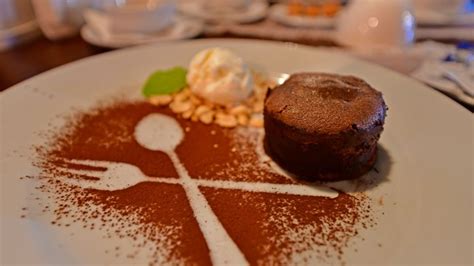
Achieving restaurant-level plating at home is a rewarding journey that adds another dimension to your culinary skills. By understanding the fundamentals of visual appeal, utilizing basic tools, and practicing key techniques like building height, smart saucing, and purposeful garnishing, you can transform everyday meals into extraordinary dining experiences. So, next time you cook, take a moment to consider the presentation – your taste buds and your guests will thank you!