Achieve vibrant colors in vegetable dishes without overcooking?

There’s nothing quite as appealing as a plate of vegetables bursting with natural, vivid colors. Beyond their aesthetic appeal, vibrant vegetables often signify freshness and preserved nutrients. However, achieving this visual feast without turning your beautiful produce into dull, mushy versions of their former selves can be a culinary challenge. The good news is, with a few expert techniques and smart kitchen practices, you can consistently deliver dishes that are as pleasing to the eye as they are to the palate, all while retaining their crisp texture and nutritional integrity.
Understanding the Science of Color
The bright hues in vegetables come from various pigments like chlorophyll (greens), carotenoids (yellows, oranges, reds), and anthocyanins (reds, purples, blues). These pigments are sensitive to heat, acid, and alkalinity. Overcooking, especially with greens, breaks down chlorophyll, leading to a drab, olive-green color. The key is to cook quickly and gently enough to tenderize the vegetables without destroying these delicate compounds.

Mastering Essential Cooking Techniques
Blanching and Shocking: The Green Revolution
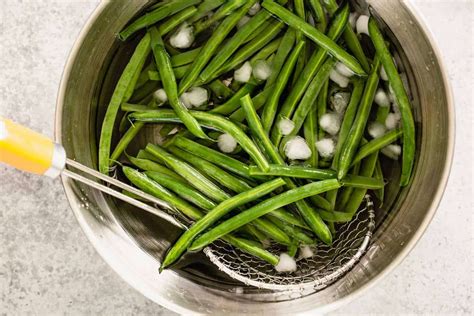
This technique is a game-changer for green vegetables like broccoli, green beans, and asparagus. Briefly immerse vegetables in rapidly boiling, salted water for 1-3 minutes until bright green and slightly tender-crisp. Immediately transfer them to an ice bath to stop the cooking process (the “shocking” part). This locks in color and texture, making them perfect for salads or quick reheating later.
Quick Sautéing: High Heat, Short Time
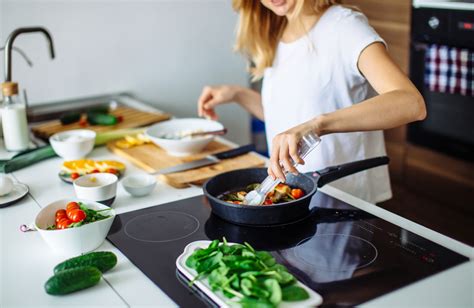
Sautéing at high heat for a short duration is excellent for maintaining vibrant colors and a slight crunch. Use a hot pan with a small amount of oil. Don’t overcrowd the pan; cook in batches if necessary. Vegetables like bell peppers, snap peas, and julienned carrots benefit greatly from this method. A splash of water or broth and covering briefly can help steam them quickly if needed.
Gentle Steaming: Preserving Nutrients and Color
Steaming is another fantastic way to cook vegetables without losing their vibrancy, provided you don’t overdo it. Steam just until tender-crisp. A simple test with a fork can help determine doneness. Steaming preserves more water-soluble vitamins than boiling, and the gentle heat helps maintain natural colors.
Roasting Smartly: Caramelization Without Charring
Roasting brings out incredible flavors, but it can sometimes mute colors. To keep them bright, toss vegetables with a little oil and season well. Roast at a relatively high temperature (around 400°F / 200°C) for a shorter time, flipping halfway. For root vegetables like carrots and beets, this allows for delicious caramelization while retaining their deep hues. Don’t roast for too long, as this leads to browning and dullness.

Tips for Maximum Vibrancy
- Start with Fresh Produce: The fresher the vegetable, the more pigment it contains and the better it will hold its color.
- Consistent Cutting: Cut vegetables into uniform sizes so they cook evenly. Uneven pieces will lead to some being overcooked while others are undercooked.
- Don’t Overcrowd: Whether blanching, sautéing, or roasting, giving vegetables space in the pan or pot allows them to cook properly without steaming or getting soggy.
- A Touch of Acid: A squeeze of lemon juice or a dash of vinegar added at the very end of cooking can dramatically brighten colors, especially reds and purples, and enhance flavor.
- Salt the Water: When blanching or boiling, salting the water not only seasons the vegetables but also helps set the color of green vegetables.
- Timing is Everything: Watch your vegetables closely. Remove them from the heat as soon as they reach the desired tender-crisp stage. Carryover cooking will continue for a minute or two after removal.

Showcasing Specific Vegetables
For broccoli and asparagus, blanching and shocking is supreme. For carrots and bell peppers, quick sautéing or light roasting works wonders. Beets retain their deep ruby color best when roasted whole or boiled gently with their skins on, then peeled and cut. Even purple cabbage can maintain its rich hue if cooked quickly with a touch of acid.
Conclusion
Achieving vibrant colors in your vegetable dishes is a blend of understanding basic culinary science and applying precise techniques. By mastering blanching, quick sautéing, gentle steaming, and smart roasting, along with key preparation tips, you’ll consistently create vegetable dishes that are not only visually stunning but also deliciously crisp and packed with nutrients. Elevate your meals from good to glorious, one colorful vegetable at a time!