Achieve vibrant colors in veggie dishes without overcooking? Pro tips, please!

Unlocking the Secret to Brilliantly Hued Vegetables
There’s nothing quite as unappetizing as dull, limp vegetables on a plate. Beyond their aesthetic appeal, vibrant colors in vegetables often signal a dish that’s packed with nutrients, freshness, and flavor. Achieving this professional-grade brilliance without compromising texture or nutritional value is a culinary art, but one that’s surprisingly accessible with a few pro tips. Let’s delve into the techniques that keep your greens green, your reds red, and your oranges orange.

Understanding the Science of Color
Different pigments react differently to heat and pH. Chlorophyll, responsible for green hues, is particularly sensitive. Prolonged heat or acidic environments can degrade it, turning bright greens to drab olive. Carotenoids (yellow, orange, red) are more stable, while anthocyanins (purple, red) are highly reactive to pH, often shifting color dramatically from acidic (redder) to alkaline (bluer/greener).
The Power Duo: Blanching and Shocking
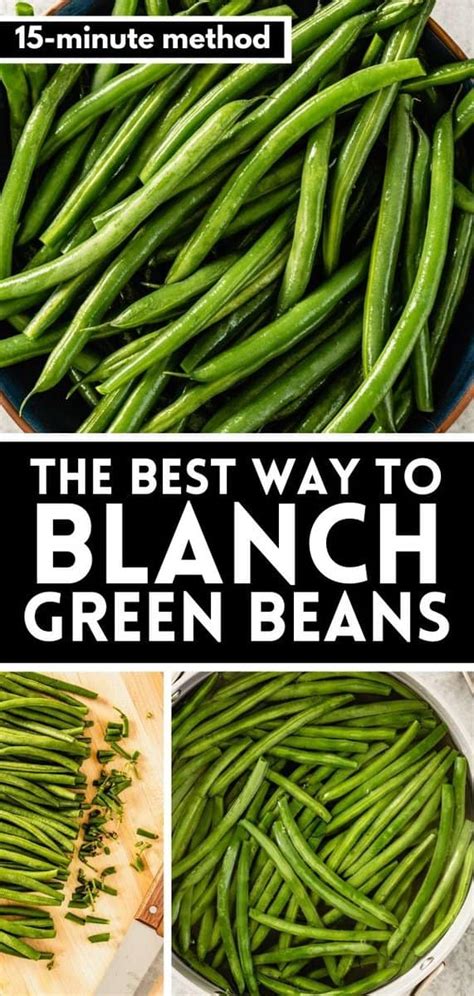
For many vegetables, especially greens like broccoli, asparagus, green beans, and spinach, blanching followed by an ice bath is the ultimate secret. Blanching involves briefly plunging vegetables into boiling, salted water, then immediately transferring them to an ice bath (shocking). This process:
- Sets the color by deactivating enzymes that cause dulling.
- Cooks the vegetable just enough to retain a crisp-tender texture.
- Stops the cooking process instantly, preventing overcooking.
Ensure your boiling water is generously salted – it not only flavors the vegetables but also helps maintain their color.
High Heat, Short Duration: The Key to Crispness
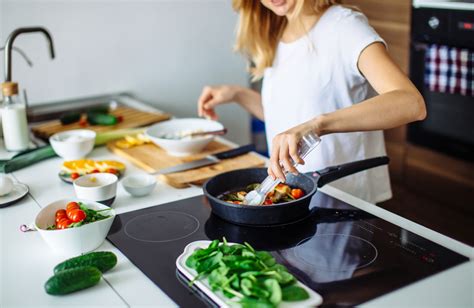
For vegetables that aren’t blanched, methods like stir-frying, quick sautéing, or high-roasting are excellent. The goal is to cook them rapidly at a high temperature, allowing them to caramelize slightly and develop flavor while retaining their snap.
- Stir-frying: Use a very hot wok or pan, don’t overcrowd it, and keep the vegetables moving.
- Sautéing: A hot pan with a small amount of oil or butter, tossing frequently.
- Roasting: High oven temperatures (400-425°F / 200-220°C) for a shorter time results in tender-crisp vegetables with beautiful caramelization.

Mind the Acid and Alkali Balance
When cooking with acids (lemon juice, vinegar, tomatoes), add them towards the end of the cooking process, especially for green vegetables. Acids can dull green colors. For purple vegetables like red cabbage, a touch of acid (like vinegar or lemon juice) will enhance their vibrant red-purple hue, while an alkaline environment can turn them bluish. Conversely, a pinch of baking soda can sometimes brighten greens, but use it sparingly as it can also make vegetables mushy.

Preparation Pointers and Timing
- Uniform Cuts: Cut vegetables into similar sizes so they cook evenly. This prevents some pieces from overcooking while others remain raw.
- Don’t Overcrowd: Cooking too many vegetables at once lowers the pan temperature, leading to steaming instead of searing, which results in dull, soggy textures. Cook in batches if necessary.
- Freshness Matters: Start with fresh, high-quality produce. Older vegetables have already begun to lose their vibrancy and will be harder to revive.
- Serve Immediately: Prolonged holding on a warming tray or simply letting them sit will continue the cooking process and lead to color degradation.
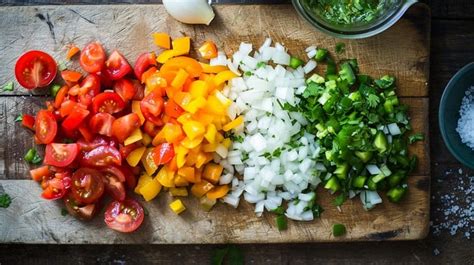
Mastering the Art of Visually Stunning Veggies
By integrating these professional tips into your cooking routine, you’ll transform your vegetable dishes from merely healthy side acts into show-stopping, colorful masterpieces. Remember, vibrant vegetables aren’t just a treat for the eyes; they’re a testament to proper technique, preserved nutrients, and exceptional flavor. So, grab your tongs, crank up the heat, and start cooking with confidence!