Achieving perfect doneness: How to ensure textures and colors pop for stunning recipe photos?
The Visual Feast: Why Doneness Matters for Photos
In the world of food photography, the difference between a good photo and a truly stunning one often comes down to the perfect doneness of your ingredients. It’s not just about taste; it’s about how the food looks, feels (visually), and its overall vibrancy. Achieving ideal doneness ensures that textures are distinct, colors are rich and true, and the dish appears as appetizing on screen as it would be on a plate.
Under-cooked food can look pale, limp, or raw, lacking the desired char, crispness, or tender sheen. Over-cooked food, conversely, can appear dry, shrunken, dull, or even burnt, losing its natural appeal. The sweet spot of perfect doneness is where ingredients shine, revealing their best attributes for the camera.
Mastering Texture: From Crisp to Tender
Texture is a tactile sensation, but in photography, it’s conveyed through visual cues. Sharp edges, glossy surfaces, flaky layers, and delicate crumbles all tell a story. Here’s how to ensure textures pop:
Blanching for Brightness and Snap
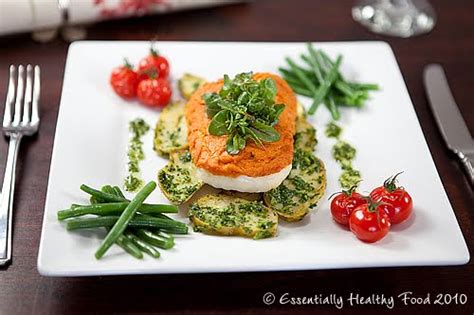
For vegetables like green beans, broccoli, or asparagus, blanching is your secret weapon. A quick dip in boiling, salted water followed by an immediate transfer to an ice bath stops the cooking process, preserving a vibrant green color and a slight crispness that looks incredibly appealing. This also helps set their natural sugars and prevents them from becoming dull or mushy.
Perfect Searing and Roasting
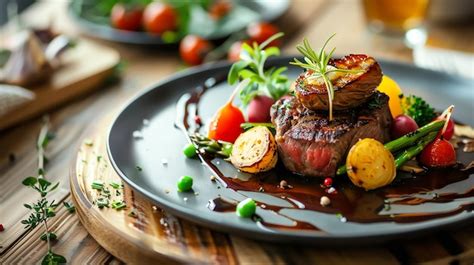
Achieving a beautiful crust on meats or roasted vegetables is crucial. High heat is key for searing; it creates the Maillard reaction, developing deep, rich brown tones and a delicious crust that screams flavor. Ensure your pan is hot and don’t overcrowd it. For roasting, aim for slightly caramelized edges and a tender interior – check for fork-tenderness or use a thermometer.
The Delicate Art of Poaching and Steaming
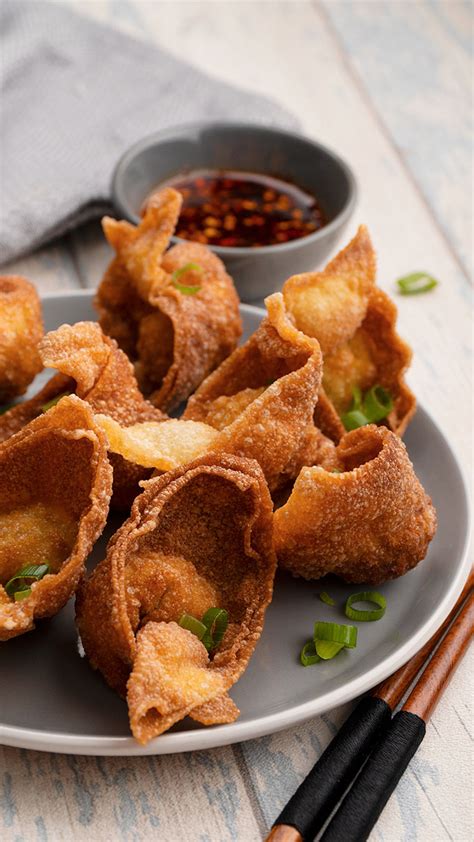
For more delicate items like fish fillets, eggs, or chicken breasts, poaching and steaming can maintain their moistness and tender, flaky texture without imparting heavy browning. The goal here is a gentle, even cook that keeps the protein looking succulent and pristine.
Unleashing Vibrant Colors
Color is the first thing that catches the eye. Dull, faded colors make food look unappetizing. Here’s how to ensure your dish bursts with natural, inviting hues:
Quick Cooking Methods for Retention
Minimizing cooking time for certain ingredients, especially vegetables and fruits, helps retain their natural pigments. Over-cooking can break down cell walls, causing colors to leach out or turn muddy. Stir-frying, quick sautés, and blanching are excellent for preserving vibrancy.

Glazing and Finishing Touches
A simple glaze can elevate the appearance of roasted meats or vegetables. Brushing with a reduction, honey, or a touch of butter just before serving adds a glossy sheen that catches the light beautifully. Fresh herbs, a sprinkle of flaky sea salt, or a drizzle of olive oil can also enhance color and texture contrast right before the shot.
Tools and Techniques for Precision
- Thermometers: A reliable instant-read thermometer is indispensable for meats, poultry, and even baked goods. It takes the guesswork out of achieving the exact internal temperature for perfect doneness.
- Timers: Keep track of cooking times diligently, especially for delicate items where a minute too long can make a difference.
- Visual Cues: Learn to recognize the tell-tale signs: steak springiness, fish flakiness, vegetable tenderness, and bread crust color.
Practice Makes Perfect
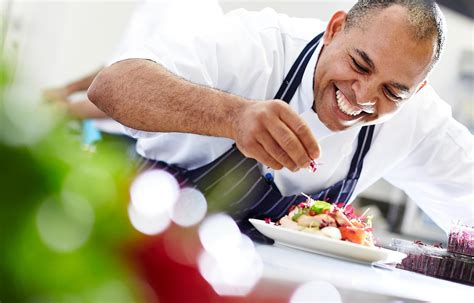
Achieving perfect doneness for photography is a skill honed through practice. Pay close attention to how different cooking methods affect the visual appeal of your ingredients. Experiment with slightly undercooking certain elements if they will continue to cook off-heat, or if a brighter, fresher look is desired for the camera. Remember, a dish can be perfectly cooked for eating, but require a slightly different approach for maximum visual impact in a photograph.
By focusing on these techniques, you’ll not only cook delicious food but also create visually irresistible dishes that make your recipe photos truly stunning.