Achieving photogenic food: What are key plating and garnishing tips?
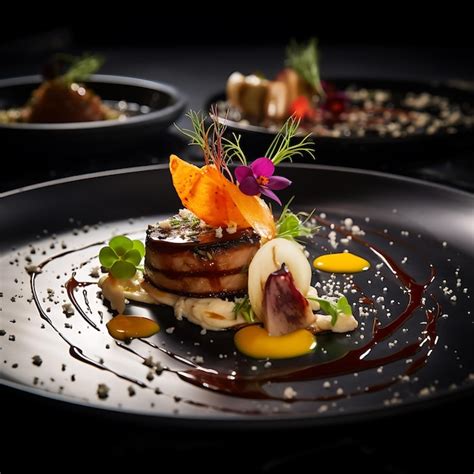
In today’s visually-driven world, a meal isn’t truly complete until it’s been admired, and often, photographed. Whether you’re a home cook eager to impress guests or a food blogger aiming for scroll-stopping content, the visual appeal of your food is paramount. While taste is king, presentation is the crown. Learning a few simple plating and garnishing tricks can elevate even the simplest dish from ordinary to extraordinary.
The Foundation: Understanding Plating Principles
Plating is more than just putting food on a dish; it’s about creating a visual story. Think of your plate as a canvas. Start by considering balance and composition. The ‘rule of thirds’ isn’t just for photography; it applies here too. Instead of centering everything, place key elements off-center to create a more dynamic and interesting arrangement.
Adding height and varied textures is crucial for dimension. A flat plate of food looks unappetizing. Consider stacking elements, propping items against each other, or creating layers to give your dish a three-dimensional quality. Incorporate crunchy, creamy, and soft textures not just for the palate, but for the eye.
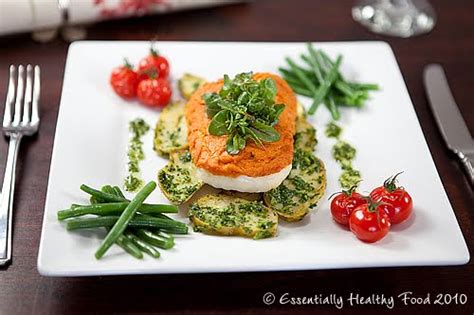
Color contrast and harmony also play a significant role. A vibrant pop of color can bring a dish to life. Think about how a bright green herb contrasts with a rich brown sauce, or how red berries stand out against a creamy white dessert. Use colors strategically to guide the eye and highlight key ingredients.

Mastering the Art of Garnishing
Garnishes are the final touch, the culinary jewelry that completes a dish. Their purpose goes beyond mere decoration; a good garnish adds flavor, texture, and aroma that enhances the overall eating experience. However, less is often more. An over-garnished plate can look cluttered and distracting.
Consider the types of garnishes that complement your dish. Fresh herbs like parsley, cilantro, dill, or chives are classics for their vibrant color and fresh aroma. Citrus zest or a delicate wedge can add brightness, especially to seafood or desserts. Edible flowers offer a touch of elegance and color, while a sprinkle of toasted nuts or seeds can provide textural contrast.
Strategic placement and proportion are key. Don’t just scatter garnishes randomly. Place them intentionally to highlight the main components, add a burst of color in a specific area, or create a focal point. Ensure the garnish is proportionate to the dish – a tiny sprig on a large steak will look lost, while a huge sprig on a delicate canapé will overwhelm it.

Practical Plating Techniques to Elevate Your Dishes
Beyond general principles, a few specific techniques can significantly enhance your plating. The ‘sauce swirl’ or ‘sauce swipe’ is a popular method to add elegance and movement. Apply sauce in a controlled manner, perhaps with a squeeze bottle or the back of a spoon, to create a graceful arc or a delicate dot pattern.
Stacking and layering are excellent for creating height and showcasing ingredients. For instance, stack roasted vegetables or create layers in a salad. This technique adds visual interest and makes the dish feel more substantial and intentionally crafted.
Embracing asymmetry and negative space can make a dish feel modern and sophisticated. Don’t be afraid to leave some parts of the plate empty; this ‘breathing room’ helps highlight the elements you want to emphasize. An asymmetrical arrangement often feels more natural and dynamic than a perfectly symmetrical one.
Finally, the ‘rule of odd numbers’ often applies to plating. Arranging elements in groups of three or five tends to be more aesthetically pleasing than even numbers, creating a sense of natural balance and flow.

Beyond the Plate: A Word on Presentation
While the food itself is the star, the supporting cast matters. Always use clean plates, bowls, and serving utensils. The color and style of your dinnerware can also enhance or detract from your food’s appeal. White or neutral-colored plates often make food colors pop, while patterned plates can sometimes compete with the dish.
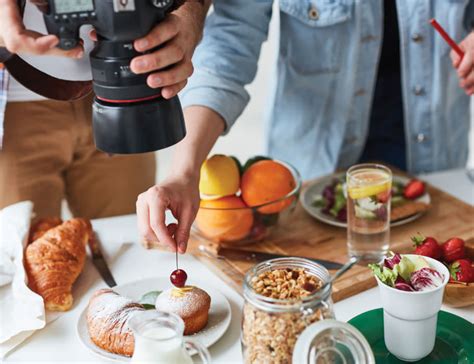
If you’re photographing your food, remember that natural light is your best friend. Position your plate near a window but out of direct sunlight for soft, diffused lighting. Experiment with angles – an overhead shot can be great for showing the full composition, while a slight angle can highlight height and texture.
Practice, Experiment, and Have Fun!
Achieving photogenic food is a skill that develops with practice. Don’t be discouraged if your first attempts aren’t Instagram-ready. Start with simple dishes and focus on one or two techniques at a time. Pay attention to how professional chefs plate their dishes in restaurants or online for inspiration.
Ultimately, plating and garnishing should be an enjoyable extension of your cooking process. Experiment with different arrangements, try new garnishes, and find what works best for your style and your food. The goal is to make your food not only delicious but also a feast for the eyes.