Achieving professional-grade plating for stunning recipe visuals?
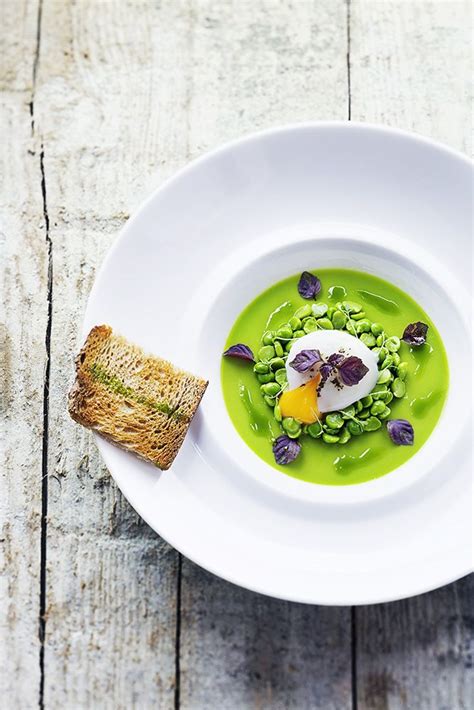
Elevate Your Culinary Creations Through Masterful Plating
Gone are the days when delicious food alone was enough. In an age dominated by visual content and social media, the presentation of your dishes is just as crucial as their taste. Professional-grade plating isn’t just for Michelin-starred restaurants; it’s an accessible skill that can elevate your home cooking, making your recipes not only more appealing but also more enjoyable to eat. Mastering the art of plating can turn a simple meal into an experience, captivating diners before they even take their first bite.
This guide will walk you through the fundamental principles and practical techniques used by chefs to create visually stunning dishes. From understanding balance and color to utilizing garnishes and saucing methods, you’ll learn how to transform your recipes into works of art that are ready for their close-up.
The Fundamentals of Food Presentation
1. Understand Balance and Composition
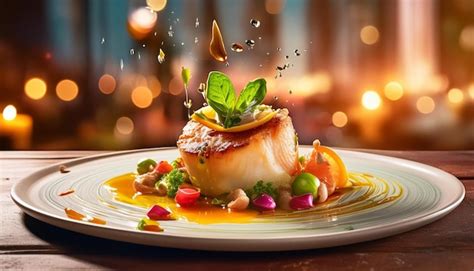
At the heart of professional plating is balance. This refers to the arrangement of elements on the plate, ensuring no single component overwhelms another. Consider the ‘rule of thirds’ or the ‘golden ratio’ to guide your placement, creating a visually harmonious and appealing composition. Think about negative space; an uncluttered plate often looks more sophisticated.
2. Play with Color and Texture
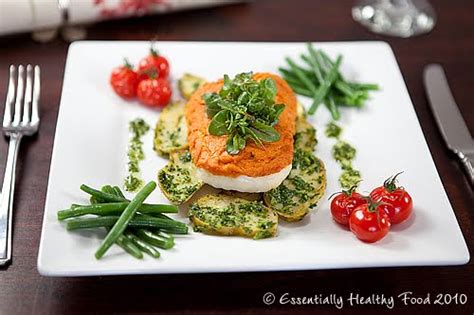
A vibrant palette is key to an appetizing dish. Incorporate ingredients with varying colors – reds from tomatoes, greens from herbs, oranges from carrots – to create visual interest. Equally important is texture. A mix of crunchy, creamy, soft, and crisp elements not only enhances the eating experience but also adds visual depth to your plate.
Choosing the Right Canvas: Your Plate
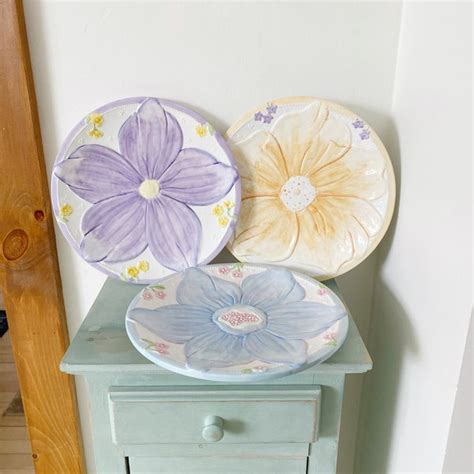
The plate itself is your canvas, and its choice significantly impacts the final presentation. White plates are often preferred as they allow the food’s colors to pop. Consider the size and shape of the plate relative to the portion size. Don’t overcrowd; leave ample space around your food to create a sense of elegance and highlight individual components. Square, rectangular, or even irregularly shaped plates can add a modern touch, but always ensure they complement the dish.
Techniques for Professional Plating
1. Building Height and Dimension
Flat food can look uninspired. Introduce height to your dishes by stacking ingredients, leaning elements against each other, or using molds. Think about a central focal point and build around it. For instance, a main protein can be elevated by a bed of purée or a carefully stacked vegetable medley.
2. Strategic Saucing
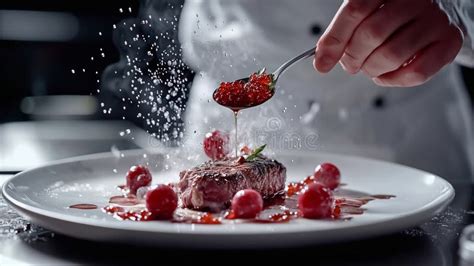
Sauces are not just for flavor; they are crucial for visual appeal. Instead of simply drenching the food, use saucing techniques like drizzling in a swirl, creating dots, or painting a swipe across the plate. Use squeeze bottles or spoons for precision. The sauce can act as a bridge between elements or a vibrant backdrop.
3. The Art of Garnishing
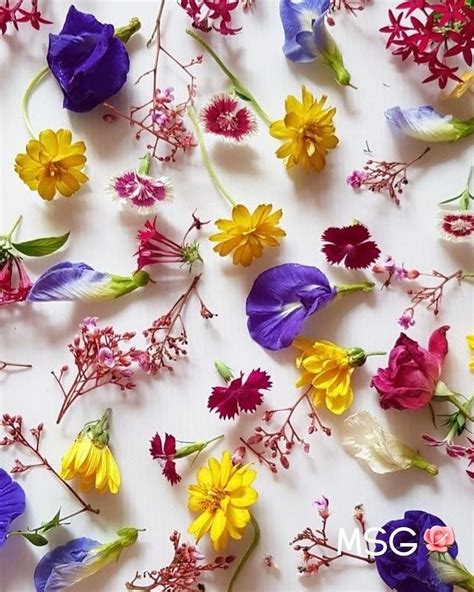
Garnishes are the finishing touches that add freshness, color, and texture. They should always be edible and directly related to the dish’s flavors. Common garnishes include fresh herbs (parsley, chives, cilantro), edible flowers, citrus zest, microgreens, or a sprinkle of spices. Place them deliberately, avoiding an overly cluttered look.
Practice Makes Perfect
Achieving professional-grade plating is an ongoing journey of practice and experimentation. Start by focusing on one or two elements at a time. Take inspiration from culinary magazines, chef demonstrations, and online platforms. Photograph your plated dishes to objectively review your work and identify areas for improvement. Remember that the goal is not just beauty, but also to enhance the overall dining experience.
By applying these principles and techniques, you can transform your everyday cooking into visually stunning culinary presentations that impress and delight. Your recipes will not only taste incredible but also look like they came straight from a gourmet kitchen.