Actionable Visual Bites: How do food photos best drive recipe clicks from real foodies?

The Power of the Pixel: Converting Scrolls to Clicks
In the bustling digital culinary landscape, a stunning food photograph is more than just eye candy; it’s a powerful invitation. For genuine food enthusiasts, a captivating image isn’t just about beauty – it’s a promise of flavor, an evocation of experience, and a direct catalyst for clicking that recipe link. But what separates a good food photo from one that truly drives engagement and converts curiosity into action?
Authenticity Over Perfection: Capturing Real Foodie Appeal
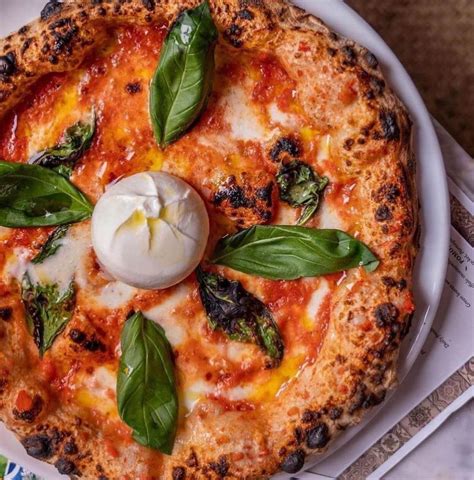
Real foodies are discerning. They crave authenticity and can often spot overly staged or artificial-looking food from a mile away. While professional styling has its place, the most effective photos convey a sense of ‘realness’ – food that looks genuinely delicious and attainable. Think steam rising, a perfectly imperfect crumble, or a glistening sauce. This approach builds trust and makes the recipe feel more accessible.
Storytelling Through Thoughtful Composition
A great food photo tells a story. It hints at the ingredients, the process, or the moment the dish is enjoyed. Consider the background, props, and angle. Are you showcasing a rustic farm-to-table dish? Use natural textures like wood or linen. Is it a vibrant, exotic meal? Infuse the scene with cultural elements. The composition should guide the viewer’s eye, highlighting the dish’s star qualities and evoking a feeling of anticipation.
Don’t just photograph the finished dish; consider including a key ingredient, a hand preparing food, or a utensil about to dig in. These subtle additions add depth and narrative, making the viewer feel more connected to the culinary journey.

Mastering Light and Color for Appetite Appeal
Lighting is arguably the single most critical element in food photography. Natural, soft light (often from a window) enhances textures, creates appealing shadows, and makes food look fresh and inviting. Avoid harsh, direct flashes that flatten the image and create unnatural reflections. Warm, inviting tones often work best, but cool tones can be effective for refreshing dishes like salads or sorbets.
Color psychology plays a significant role. Bright, vibrant colors often signify freshness and health, while rich, deep hues can evoke comfort and indulgence. Ensure colors are true to life – an over-edited image can detract from authenticity and make food look less appetizing.
Highlighting Detail and Texture: A Feast for the Eyes
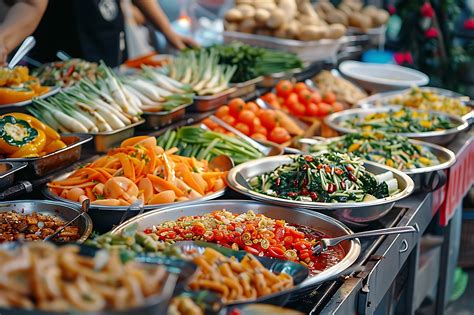
Foodies don’t just want to see food; they want to feel it through the screen. Sharp focus on key textures – the crispy skin of roasted chicken, the fluffy interior of a cake, the glistening glaze on a pastry – can trigger sensory memories and desires. Use a shallow depth of field to draw attention to these details, blurring the background tastefully to make the subject pop.
Macro shots or close-ups can be incredibly effective for showcasing intricate details, herbs, spices, or the beautiful layering of a dish. These details communicate the quality and craftsmanship behind the recipe, directly appealing to those who appreciate the finer points of cooking.

Beyond the Plate: Context and Emotion
While the dish itself is paramount, the surrounding context can significantly influence perceived appeal. A photo that subtly implies a cozy dining experience, a celebratory gathering, or a refreshing picnic can evoke an emotional connection. Show hands reaching for a dish, a fork mid-air, or a happy face enjoying the meal (if appropriate for your brand). These human elements make the food relatable and desirable, transcending a mere static image.
Ultimately, the goal is to make the viewer imagine themselves enjoying that very meal. When a photo sparks hunger, curiosity, and an emotional desire to recreate or taste the dish, the click-through is almost inevitable.
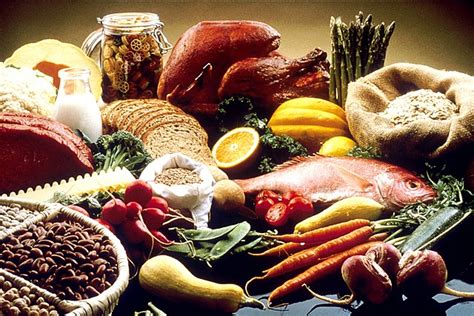
Conclusion: Visual Clicks for Culinary Success
Driving recipe clicks from real foodies demands more than just pretty pictures. It requires a strategic blend of authenticity, masterful composition, intelligent lighting, focus on detail, and emotional resonance. By creating ‘actionable visual bites’ that speak to the heart and palate of the passionate food lover, you transform passive scrolling into active engagement, ensuring your culinary creations find their way from screen to kitchen.