Actionable Visual Bites tips to increase ‘Save Recipe’ actions among foodies?
The Power of Visuals in Recipe Engagement
In the bustling digital culinary landscape, capturing a foodie’s attention is one thing; encouraging them to ‘Save Recipe’ is another. Visual Bites – compelling images and videos – are not just pretty pictures; they are critical tools for driving engagement and conversion. For food creators, bloggers, and brands, mastering the art of visual presentation can turn casual browsers into dedicated followers who actively save your culinary creations for later.
This article dives into actionable strategies focusing on visual appeal to supercharge your ‘Save Recipe’ metrics, ensuring your delicious content doesn’t just get seen, but gets remembered and acted upon.
High-Quality Photography: Beyond Just Good Lighting
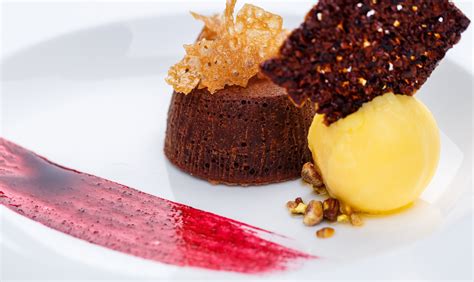
While good lighting is foundational, truly impactful food photography goes deeper. It’s about storytelling, texture, and evoking emotion. Focus on sharp, vibrant images that make the dish look irresistible. Consider the plating and composition – is there a clear focal point? Are the colors appealing? Use natural light whenever possible, but understand how to use artificial light to enhance specific elements.
- Composition & Angles: Experiment with overhead shots for bowls and flat dishes, or eye-level shots to showcase layers and height.
- Texture & Detail: Highlight crusts, drizzles, sprinkles, or steam. These sensory details make the dish feel more tangible and appealing.
- Props & Backgrounds: Keep them minimal and relevant. Rustic wooden boards, simple linens, or complementary cutlery can enhance the dish without distracting from it.
Dynamic Video Content: Showing the Process and the Payoff
Short-form video is a goldmine for recipe content. It allows you to showcase the preparation process, the sizzle, the pour, and the final mouth-watering result. Videos can convey the ease of preparation, the sensory experience, and the joy of cooking in a way static images cannot. Focus on quick cuts, clear steps, and a satisfying reveal.
- Recipe Teasers: Create short, punchy videos (15-60 seconds) that highlight the most appealing steps and the finished dish.
- ASMR-style Sounds: The sizzle of frying, the crunch of a bite, the pour of a sauce – these can be incredibly engaging.
- Before & After: Show raw ingredients transforming into a delicious meal.
Strategic Use of Text Overlays and Graphics
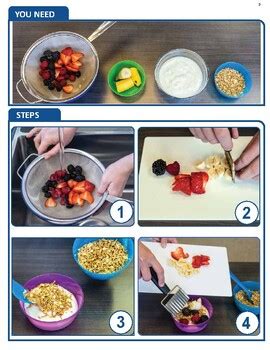
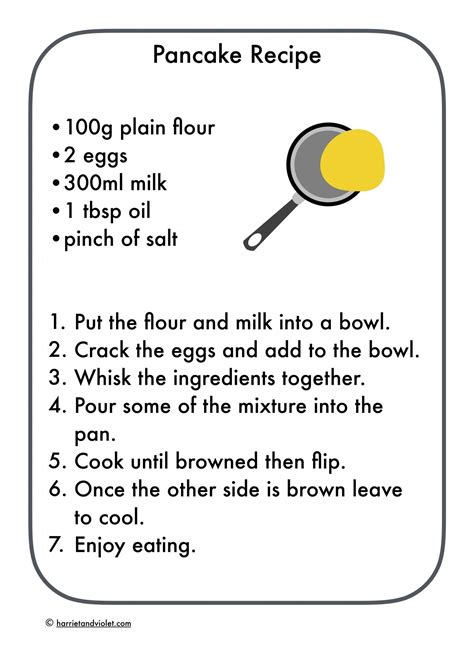
Visuals don’t just mean photos and videos; they also include how text is presented. Use clear, readable fonts for ingredient lists or key instructions overlaid on your visuals. Infographics can summarize complex recipes into easily digestible steps, making the ‘Save Recipe’ action more appealing as foodies know they’re saving a handy guide.
- Key Ingredient Call-outs: Highlight star ingredients with appealing graphics.
- Step-by-Step Visuals: Create carousel posts or short video clips with text overlays for each stage of the recipe.
- Benefit-Oriented Text: Phrases like ‘Quick Weeknight Meal,’ ‘High Protein,’ or ‘Dairy-Free Delight’ can entice specific audiences.
Optimize for Different Platforms and Audience Habits
A ‘one-size-fits-all’ approach rarely works. Understand how your target audience consumes content on different platforms. Instagram favors highly aesthetic images and short Reels, Pinterest is a visual search engine ideal for infographics and step-by-step visuals, and TikTok thrives on trending sounds and quick, engaging recipe demos. Tailoring your visual bites to each platform’s nuances increases the likelihood of a ‘Save Recipe’ action.

The Irresistible Call to Action (CTA)
Even the most stunning visuals need a nudge. Clearly and consistently prompt your audience to ‘Save Recipe.’ This can be done through explicit verbal cues in videos, text overlays, or through direct text in captions and blog posts. Make the ‘Save’ button visible and easy to find.
- Direct Prompts: “Hit ‘Save’ to try this later!” or “Don’t forget to save this recipe!”
- Benefit-Driven CTAs: “Save this for your next dinner party!” or “Save this simple guide to healthy eating!”
- Visual Cues: Pointing to the ‘Save’ icon in a video or using an arrow graphic.
Engagement & Interactivity: Fueling the Save Reflex
Beyond passive viewing, encourage interaction that subtly pushes towards a save. Ask questions in your captions, run polls about ingredient preferences, or invite users to share their own spin on your recipes. When foodies feel a connection and see value, they are more likely to save your content as a resource.
- “Which ingredient would you add?” questions.
- Interactive polls: “Sweet or savory breakfast?”
- User-generated content prompts: “Tag us if you make this!”
Conclusion
Increasing ‘Save Recipe’ actions among foodies is an art and a science, heavily reliant on the quality and strategic deployment of Visual Bites. By focusing on high-quality photography, dynamic video, smart text overlays, platform optimization, and clear calls to action, you can transform your culinary content into irresistible, savable resources. Remember, the goal is not just to show food, but to inspire action, turning fleeting glances into lasting engagement with your culinary creations.