Actionable Visual Bites tips to maximize ‘Real Foodie’ recipe click-throughs?
Captivating the Culinary Crowd: The Power of Visual Bites
In the vibrant digital landscape of food blogging and recipe sharing, a ‘Real Foodie’ is constantly on the hunt for their next delicious adventure. But with an overwhelming array of options, how do you ensure your meticulously crafted recipes don’t just get seen, but actually get clicked? The answer lies in mastering ‘Visual Bites’ – those instantly appealing images and short videos that convey taste, texture, and tantalizing potential at a glance. For foodies, a picture isn’t just worth a thousand words; it’s worth a thousand clicks.
This article will delve into actionable tips and tricks to transform your recipe visuals from merely good to absolutely irresistible, driving those crucial click-throughs and building a loyal following.
The Psychology of the First Impression: Why Visuals Reign Supreme
Before a foodie even reads a single ingredient, their brain processes the visual information. Is the dish appetizing? Does it look easy to make, or like a gourmet treat? Do the colors pop? A visually striking image acts as the ultimate gatekeeper, determining whether a user pauses, scrolls past, or, most importantly, clicks. High-quality visuals build trust and convey expertise, signaling that the recipe itself is worth the investment of time and effort.
Mastering Your Lens: Photography Fundamentals for Food
Lighting is Everything
Natural light is your best friend. Position your dish near a window, utilizing soft, diffused light to enhance textures and colors. Avoid harsh direct sunlight or unflattering overhead artificial lights, which can cast undesirable shadows and make food look unappetizing. Experiment with backlighting or side lighting to create depth and highlight steam or glistening sauces.
Composition is Key
Follow the rule of thirds, placing your main subject off-center for a more dynamic and engaging shot. Consider negative space; an uncluttered background helps the dish stand out. Use leading lines (e.g., a spoon handle, a row of ingredients) to draw the viewer’s eye towards the focal point.
Angles Tell a Story
Experiment with different perspectives. An overhead ‘flat lay’ works wonderfully for ingredient shots or colorful bowls. A 45-degree angle is often ideal for showing off texture and height, mimicking how a person would view a plate at a table. A straight-on shot can be powerful for showcasing layers or specific details of a dish.
Storytelling Through Styling: Beyond the Plate
Props and Backgrounds
Don’t let your dish exist in a vacuum. Thoughtfully chosen props like rustic cutting boards, elegant cutlery, a sprig of herbs, or a linen napkin can enhance the narrative without distracting. Keep backgrounds simple and complementary – think neutral tones, wood textures, or soft fabrics that don’t compete with the food.
Texture and Color Play
Food is inherently sensory. Highlight crunchy toppings, gooey cheese, fluffy bread, or vibrant fresh produce. Use contrasting colors to make elements pop. A bright red berry on a white yogurt, or green herbs against a rich brown stew, immediately adds visual interest.
Garnish and Presentation Perfection
The final touch can make all the difference. A sprinkle of flaky sea salt, a drizzle of olive oil, a fresh herb garnish, or a dusting of powdered sugar elevates a dish from homemade to magazine-worthy. Ensure your plating is neat and inviting; clean edges and intentional placement are crucial.
Post-Production Perfection: The Editing Edge
Even the best photos benefit from a little polish. Editing is not about drastically altering the image, but rather enhancing what’s already there.
Color Correction and Brightness
Adjust white balance to ensure colors are true-to-life. Brighten images subtly to make them pop, but avoid overexposure. Boost saturation slightly for vibrancy, but be careful not to make food look artificial.
Sharpness and Detail
Sharpening can bring out the intricate details and textures of your dish. Crop strategically to remove distractions and strengthen your composition. Remember, consistency in your editing style helps build a recognizable brand aesthetic.
Crafting Engaging Visual Bites for Diverse Platforms
Different platforms call for different visual strategies to maximize click-throughs.
Short Video Snippets
For platforms like Instagram Reels, TikTok, or YouTube Shorts, a quick, enticing video of the cooking process or a glorious ‘money shot’ (like a cheese pull or a perfect drizzle) can be incredibly effective. Keep them concise, well-lit, and with a clear call to action.
Collages and Carousels
On platforms that support multiple images, use carousels to showcase step-by-step visuals, ingredient flat lays, and the final dish from different angles. This provides a richer ‘Visual Bite’ experience without requiring a click-through initially.
Compelling Thumbnails
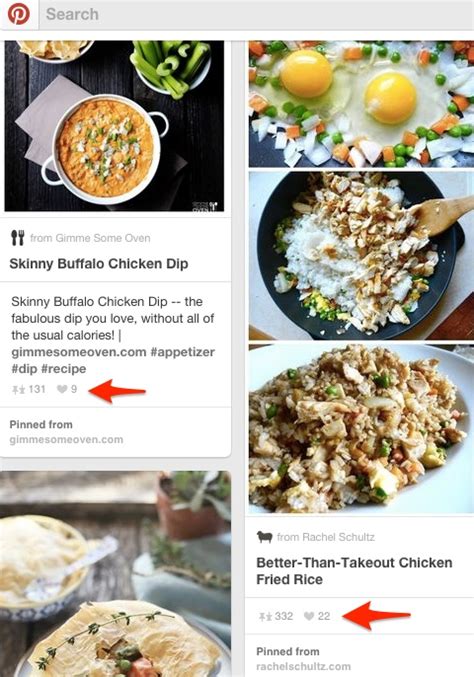
For recipe cards or video previews, your thumbnail is paramount. Choose your strongest, most mouth-watering image. Ensure any text overlays are legible and enticing, such as ‘Easy 30-Min Pasta’ or ‘Best Ever Chocolate Cake’.
Conclusion: Make Every Visual Bite Count
In the competitive culinary content space, ‘Visual Bites’ are your most powerful tool for attracting and converting ‘Real Foodies’. By applying these actionable tips – from thoughtful lighting and composition to strategic styling and post-production – you can create visuals that don’t just showcase your recipes, but make them utterly irresistible. Invest the time in perfecting your visual storytelling, and watch your click-through rates, and your foodie community, flourish.