Artful plating: Showcase fresh recipes for stunning visual foodie feeds?

In today’s visually-driven world, a meal isn’t just about taste; it’s an experience that begins with the eyes. For food enthusiasts and home cooks alike, mastering the art of plating is crucial for transforming delicious dishes into stunning visual feasts, perfect for captivating your social media audience. Move beyond merely cooking and step into the realm of culinary artistry, where every ingredient plays a role in a beautiful edible composition.
The Philosophy Behind Beautiful Plating
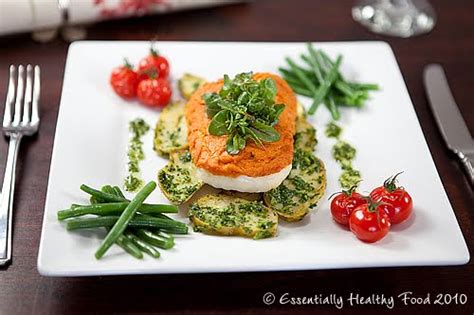
Artful plating is more than just arranging food; it’s about understanding balance, contrast, and storytelling. Consider the interplay of colors—vibrant greens, rich reds, and earthy browns can create a harmonious or striking palette. Texture adds another dimension, from the crispness of a fresh garnish to the creaminess of a sauce. Height and dimension prevent a dish from looking flat, while thoughtful use of negative space guides the eye and prevents overcrowding. Every element on the plate should have a purpose, contributing to the overall aesthetic and enhancing the dining experience.
Fresh Recipes Designed for Visual Impact
Vibrant Salads and Grain Bowls
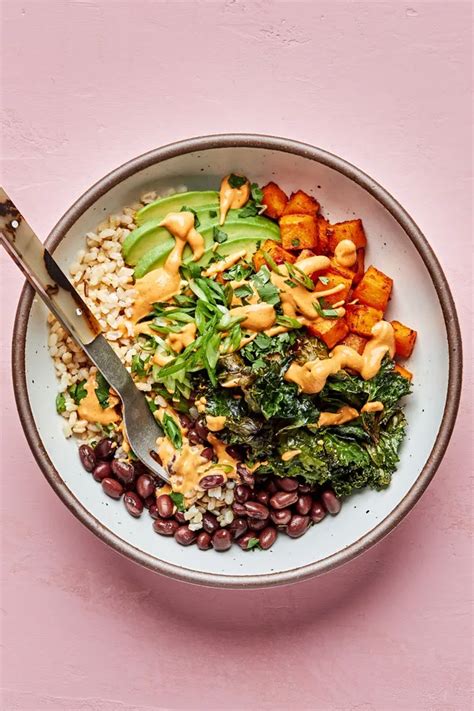
Salads and grain bowls are inherently beautiful canvases for plating. Focus on layering ingredients to showcase their individual textures and colors. A Mediterranean Quinoa Bowl, for example, can feature a base of fluffy quinoa, topped with neatly arranged cucumbers, cherry tomatoes, Kalamata olives, crumbled feta, and fresh parsley, drizzled with a lemon-herb vinaigrette. The key is using fresh, high-quality ingredients that pop with natural vibrancy.
Deconstructed Dishes for Modern Appeal
Deconstruction is a contemporary plating technique that separates the components of a classic dish, presenting them individually yet cohesively on the plate. This approach highlights each ingredient’s integrity and allows for interesting arrangements. Imagine a deconstructed Berry Pavlova: a perfectly crisp meringue shard, a dollop of fresh whipped cream, and an artful scattering of mixed berries and a coulis drizzle. It’s about breaking down and then rebuilding with intention.
The Art of Sauces and Garnishes
Sauces aren’t just for flavor; they’re painting tools. Use squeeze bottles or spoons to create elegant swooshes, dots, or intricate patterns. A vibrant red pepper coulis beneath a pan-seared scallop, or a rich balsamic glaze drizzled over roasted vegetables, can transform the entire look. Garnishes like microgreens, edible flowers, citrus zest, or toasted nuts add a final touch of color, texture, and sophistication, acting like the chef’s signature.

Practical Plating Techniques for Home Cooks
You don’t need professional tools to plate beautifully, but a few items can elevate your game. An offset spatula helps with delicate transfers, and a small ring mold can create perfect stacks or shapes. Always start with a clean plate, and remember the “rule of thirds” for placement, imagining your plate divided into nine sections and placing focal points at their intersections. Arrange items in odd numbers for a more natural and appealing look. Finally, always clean the rim of your plate with a damp cloth or paper towel before serving for a polished finish.

Capturing Your Culinary Masterpiece
Once your dish is perfectly plated, don’t forget the final step: photography. Natural light is your best friend. Position your dish near a window, avoiding harsh direct sunlight. Experiment with different angles—overhead shots work well for bowls, while eye-level shots highlight height and depth. Simple, uncluttered backgrounds ensure your stunning food remains the star of the show. A little practice with your camera or smartphone can make all the difference in translating your artful plating into a scroll-stopping visual on your foodie feed.

Conclusion
Artful plating is an exciting dimension of cooking that elevates a simple meal into an unforgettable dining experience. By focusing on fresh ingredients, understanding basic design principles, and employing a few simple techniques, you can turn your everyday recipes into visual masterpieces. So next time you’re in the kitchen, don’t just cook—create. Your taste buds and your followers will thank you.