Authentic local food: Visual tips to avoid tourist traps for real foodies?
The Quest for Genuine Flavors: Spotting Authentic Local Eats
For true foodies, traveling isn’t just about sightseeing; it’s a deep dive into the local culture, primarily through its cuisine. But navigating unfamiliar streets to find that hidden gem can be daunting, especially when every other corner seems to beckon with promises of ‘authentic’ fare. The good news is, with a keen eye for visual cues, you can significantly increase your chances of finding the real deal and avoiding costly, flavorless tourist traps.
Exterior Clues: Beyond the Glossy Facade
Tourist traps often invest heavily in flashy signage, multi-language menus prominently displayed, and aesthetically pleasing but generic decor designed to appeal to a broad, international audience. Real local eateries, on the other hand, often tell a different story:
- Modest Appearance: Don’t be swayed by sparkling windows or ornate entrances. The most authentic spots often have unassuming exteriors, perhaps a worn sign, or even a simple, handwritten board. They focus on what’s inside, not outward extravagance.
- Unassuming Locations: Genuine local restaurants are frequently tucked away on side streets, slightly off the main thoroughfare, or in residential areas. If it’s directly opposite a major landmark or on a heavily foot-trafficked tourist strip, proceed with caution.
- Specialized Offerings: Look for places that specialize in a few dishes, perhaps even just one or two regional specialties, rather than an encyclopedic menu covering every possible cuisine. This often signals mastery over specific culinary traditions.

The Inside Story: What the Crowd and Decor Reveal
Once you step inside (or peek through the window), several visual indicators can guide your decision:
Who’s Eating There? The Local Litmus Test
This is perhaps the most reliable visual tip. If the restaurant is bustling with locals – families, business people, friends chatting in the native tongue – you’re likely onto something good. If you predominantly see other tourists clutching guidebooks, it’s a red flag. Observe the demographic: do they look like they’re regulars, comfortable and at home?
The Menu: Simplicity Over Flash
Tourist trap menus are often laminated, glossy, feature large photos of every dish (which rarely match the actual food), and are translated into multiple languages, sometimes with odd phrasing. Authentic local spots might have:
- A smaller, perhaps handwritten or chalked-up menu.
- Fewer pictures, or only simple ones.
- Prices that seem reasonable for the region, not inflated.
- A focus on seasonal ingredients that might change daily.
Atmosphere and Decor: Character Over Conformity
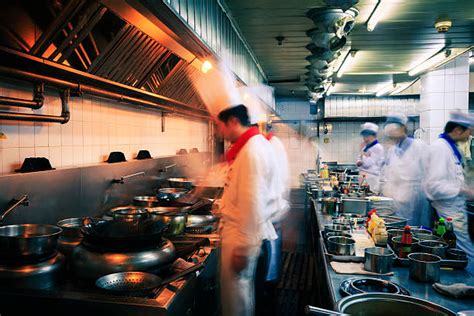
While some authentic places can be quite chic, many will lean towards functional, simple, or even slightly quirky decor that reflects the local culture, not a generic international style. Look for:
- Minimalistic or worn-in furniture.
- Decor that seems to have evolved organically over time, perhaps with local art or everyday items.
- A lively, sometimes noisy, ambiance that speaks to genuine human connection, not a curated ‘dining experience’ for visitors.
The Food Itself: Visual Appetizers
Even before you order, the food on other patrons’ tables can provide crucial insights:
- Freshness and Vibrancy: Does the food look fresh, colorful, and appealing? Are vegetables crisp, and meats well-prepared?
- Generous Portions: Often, local eateries offer hearty portions, reflective of the local eating habits, rather than small, ‘gourmet’ plates at inflated prices.
- Authentic Presentation: While not every local dish is a work of art, it should look genuine to its culinary tradition, not like a watered-down version aimed at less adventurous palates.

Beyond the First Glance: The Experience
Finally, consider the overall vibe. Is the staff welcoming, even if language is a barrier? Do they seem proud of their food? A genuine local establishment is often a source of community pride, not just a business transaction.
By honing your observational skills and trusting these visual cues, you’ll embark on a more delicious and authentic culinary journey, uncovering the true flavors and spirit of your destination. Happy eating!