Avoid tourist traps! What visual signs reveal authentic local foodie spots?

One of the greatest joys of travel is immersing yourself in the local culture, and for many, that means diving headfirst into the culinary scene. However, every traveler has faced the disappointment of stumbling into a tourist trap – an overpriced, inauthentic eatery designed to catch the unsuspecting visitor. But fear not, intrepid food explorer! With a keen eye, you can learn to spot the visual clues that lead to truly authentic, local foodie gems.
The Menu: A Window to Authenticity
The first place to look for clues is often the menu itself. Authentic local spots typically feature a concise menu, focusing on a few well-executed traditional dishes rather than an exhaustive list trying to cater to every possible taste. Look for a menu primarily in the local language, perhaps with smaller English translations, or even better, a handwritten board of daily specials. If a menu boasts a dozen different international cuisines alongside local fare, it’s often a sign they’re trying too hard to appeal to everyone and excelling at none.
Beware of laminated, multi-page menus with glossy photos that look like they belong in a fast-food chain. A simple, perhaps even slightly worn, menu signals a focus on the food itself rather than presentation. And if prices seem unusually high for the region, that’s another red flag.

The Clientele: Follow the Locals
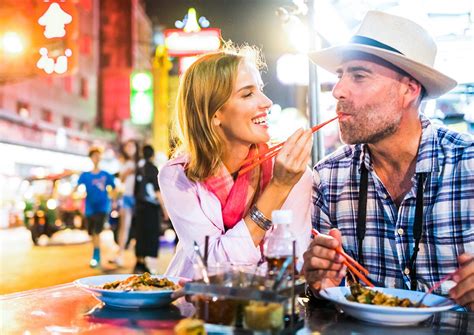
Perhaps the most reliable visual indicator is who’s eating there. If you walk past an eatery and see it packed with locals – families sharing meals, friends laughing, business people on their lunch break – you’ve likely found a winner. This is a clear sign that the food is good, authentic, and reasonably priced enough to attract repeat customers from the community.
Conversely, if a restaurant is predominantly filled with other tourists, especially those poring over maps or speaking foreign languages, it might be a place that caters more to visitors than to genuine culinary standards. Local patronage is the ultimate endorsement of authenticity.

Decor and Ambiance: Charm Over Chrome
Authentic local eateries often possess a charm born of function and history, not elaborate design. Expect simple, practical decor – sturdy tables, unfussy chairs, maybe some well-worn details that speak of years of service. The focus is on the food and the company, not creating an ‘instagrammable’ aesthetic. Sometimes, the decor is almost non-existent, letting the food speak for itself.
Be wary of places that feature overly stereotypical or ‘themed’ decor explicitly designed to look ‘authentic’ to a foreign eye (e.g., sombreros on every wall in a Mexican restaurant, or excessive plastic cherry blossoms in a Japanese eatery). True authenticity often presents itself subtly, not as a performance.
Location, Location, Location: Beyond the Main Drag
While some excellent local spots exist on main streets, many of the best are tucked away on side streets, down an alley, or a block or two removed from the major tourist attractions. These locations are less about foot traffic and more about word-of-mouth reputation among locals. If a restaurant is prominently positioned right next to a major landmark and has aggressive touts trying to lure you in, exercise caution.

Look for humble storefronts that might not immediately catch your eye but exude a sense of establishment and community. Often, these unassuming exteriors hide culinary treasures within.
Subtle Cues: Age, Accolades, and Aroma
Pay attention to less obvious visual cues. Does the place look well-established, perhaps a little worn around the edges in a good way, suggesting it’s been serving the community for years? Look for local certifications, awards, or newspaper clippings that are specifically from local publications, not generic international travel guides.

Finally, and perhaps most importantly, trust your senses beyond just sight. What do you smell? Authentic food often has a distinct, enticing aroma of fresh ingredients and spices that permeates the air around the establishment, drawing you in more effectively than any flashy sign.
Armed with these visual clues, you can navigate any new city like a seasoned local, avoiding the tourist traps and uncovering the true culinary heart of your destination. Happy eating!