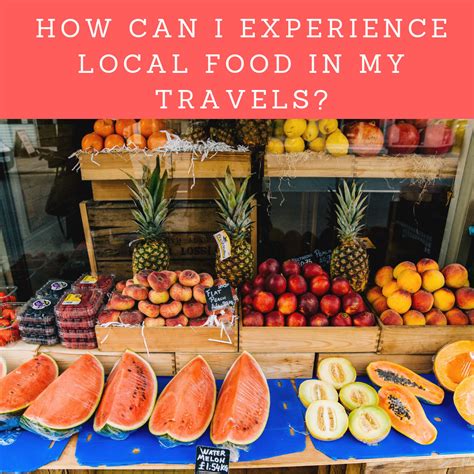
Avoiding tourist traps: What visual cues signal authentic local foodie finds?

Hunting for Culinary Gold: Beyond the Tourist Trail
There’s an undeniable thrill in discovering a hidden gem – a bustling eatery where locals gather, serving up dishes brimming with authentic flavor. Yet, the path to these culinary havens is often fraught with flashy, overpriced tourist traps designed to catch the unsuspecting traveler’s eye. So, how can you discern the true from the faux? The secret lies in sharpening your observation skills and looking for specific visual cues that signal genuine local foodie finds.
Forget the glossy menus and multilingual touts. Real authenticity often whispers rather than shouts. By paying attention to the details, you can navigate away from bland, generic meals and towards the unforgettable tastes that define a destination.
The Crowd Factor: Who’s Eating There?
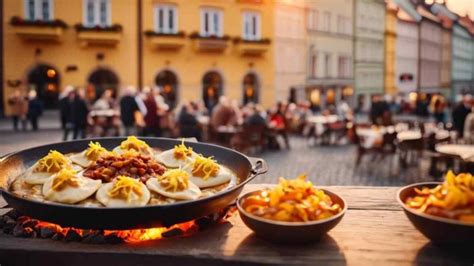
Perhaps the most immediate and telling visual cue is the clientele. If a restaurant is packed with locals – families, business people on lunch breaks, friends chatting animatedly in the local tongue – you’re likely onto something good. Look for full tables, a lively atmosphere, and a general air of belonging. Conversely, if you see mostly fellow tourists clutching guidebooks, taking photos of elaborate but generic-looking dishes, or struggling with an English-only menu in a place known for its rich local language, it’s a red flag. Authentic spots often have a steady stream of regulars, creating a genuine buzz.
Menu Magic: Simplicity and Local Focus
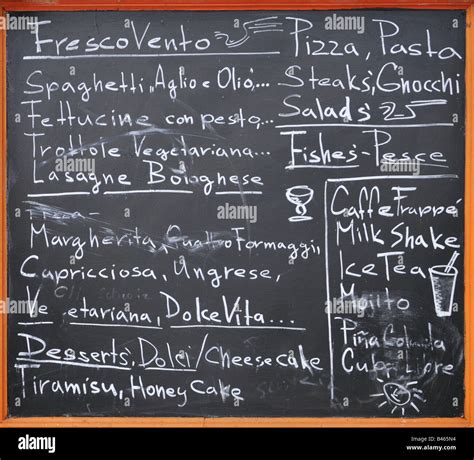
Take a good look at the menu. Authentic local eateries often feature shorter, more focused menus, specializing in a handful of well-executed dishes rather than an encyclopedic offering of international cuisines. A menu primarily in the local language, perhaps with small, hand-written English translations (or none at all!), is a good sign. Be wary of laminated menus with pictures of every dish, especially if they look generic or are explicitly catering to a wide range of international palates. The presence of seasonal specials, written on a chalkboard or verbally offered, also points to freshness and local sourcing.
Ambiance and Decor: Unpretentious Charm
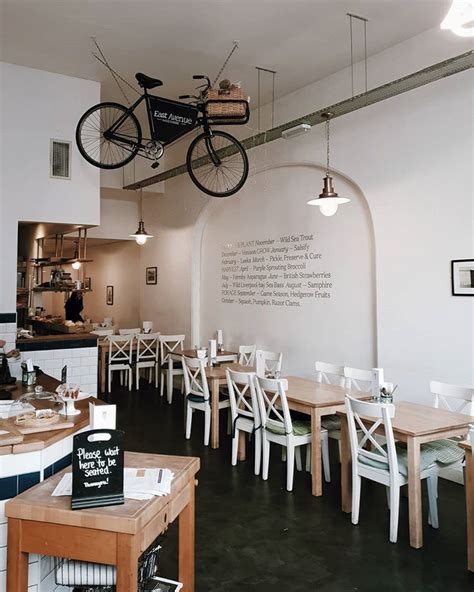
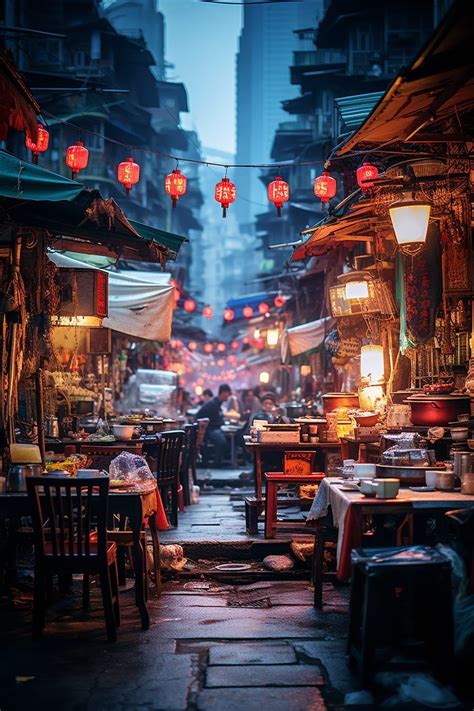
Authentic local spots rarely invest heavily in lavish, Instagram-perfect decor. Instead, you’ll often find a humble, functional, and perhaps even a bit worn-in aesthetic. The focus is on the food and the experience, not on superficial extravagance. Simple tables, chairs, and minimal decorations are common. Look for signs of history, personal touches, or a no-frills setup that suggests the owners pour their passion into the kitchen, not the interior design. A visible, bustling kitchen or an open cooking area can also be a wonderful sign of transparency and dedication to the craft.
The Dishes Themselves: Appearance and Authenticity
While pictures can be deceiving, observe the food being served to other diners. Do the portions look generous and comforting? Do the ingredients look fresh and vibrant? Authentic dishes often have a rustic, homemade appeal rather than a overly styled, gourmet presentation designed for high-end photography. If you see common local ingredients prominently featured, or dishes that clearly represent the regional culinary tradition, you’re on the right track. Sometimes, the sight of a specific local delicacy being enjoyed by many patrons is all the invitation you need.
Location, Location, Location: Off the Beaten Path
Tourist traps tend to cluster in high-traffic areas: main squares, bustling boulevards, and close to major attractions. Authentic local finds, conversely, are often tucked away down side streets, in residential neighborhoods, or slightly off the main tourist drag. Venturing a few blocks away from the most crowded areas can significantly increase your chances of finding a true local gem. A restaurant that requires a bit of an effort to find often rewards you with a more genuine experience.
Conclusion: Trust Your Instincts (and Your Eyes)
Armed with these visual cues, you’re better equipped to distinguish the truly authentic from the mass-market offerings. Remember that a great foodie find isn’t always about pristine decor or Michelin stars; it’s about the soul of the food, the honesty of the ingredients, and the genuine joy shared by those enjoying it. So, next time you’re exploring a new destination, take a moment to observe, trust your instincts, and let your eyes guide you to an unforgettable local culinary adventure.