Best angle for food “Visual Bites” to drive engagement on mobile feeds?

Mastering the Mobile Frame: Why Angles Are Everything for Food Visuals
In the blink-on-scroll world of mobile feeds, captivating food photography isn’t just about delicious dishes; it’s about strategic presentation. For “Visual Bites” to truly stand out and drive engagement, understanding and utilizing the best angles is paramount. A perfectly chosen angle can transform a simple meal into an irresistible visual story, compelling thumbs to stop scrolling and hearts to tap.
The Power of Perspective: Key Angles for Food Photography
Each angle offers a unique perspective and highlights different aspects of your food. Knowing when to employ each one is the secret sauce to mobile engagement.
1. The Overhead (90-Degree) / Flat Lay
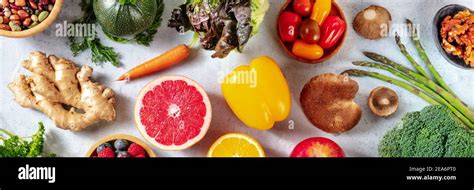
The overhead shot, looking straight down onto your plate or setup, is a mobile feed superstar. It’s clean, organized, and provides a comprehensive view of all elements. This angle is excellent for:
- Dishes with appealing tops: Pizzas, intricate tarts, vibrant salads, bowls, and beautifully arranged breakfast spreads.
- Storytelling with props: Ideal for showcasing ingredients, cutlery, textiles, and other lifestyle elements around the main dish, creating a cohesive “scene.”
- Clean composition: Naturally leads to strong geometric compositions and minimalist aesthetics that perform well on grid-based feeds.
When to use it: When the dish itself is relatively flat, or you want to highlight the overall arrangement and surrounding context.
2. The 45-Degree Angle / Eye-Level Perspective
Often considered the most versatile and natural angle, the 45-degree shot mimics how we typically view food when sitting at a table. It provides depth and allows viewers to appreciate both the top and some side elements of a dish.
- Versatility: Works for almost any dish, from burgers and sandwiches to plated entrees and desserts.
- Depth and dimension: Effectively showcases the layers, height, and texture of food, adding a three-dimensional quality.
- Contextual storytelling: Easily includes a blurred background (bokeh) to suggest an environment (restaurant, home, picnic) without distracting from the main subject.
When to use it: When your dish has interesting layers, height, or you want to create a sense of realism and intimacy.

3. The 0-Degree Angle / Straight-On Shot
This “hero shot” is taken directly at eye-level with the food, making it feel grand and imposing. It’s particularly effective for dishes with significant height or impressive fronts.
- Emphasizes height and layers: Perfect for towering burgers, multi-layered cakes, stacked pancakes, or drinks with impressive garnishes.
- Focus on detail: Brings attention to the intricate details on the front of the food, such as a perfectly melted cheese pull or a glistening glaze.
- Dramatic impact: Creates a bold, striking image that can stop scrollers in their tracks.
When to use it: When you want to highlight the verticality, impressive scale, or front-facing details of your food.
Maximizing Engagement: Tips Beyond the Angle
While the angle is foundational, other elements play a crucial role in amplifying engagement on mobile feeds:
- Composition is Key: Apply principles like the rule of thirds, leading lines, and negative space to create visually appealing and balanced images.
- Lighting Matters: Natural light is almost always best. Position your food near a window (side or back-lighting works wonders) to create appealing shadows and highlights. Avoid harsh overhead lighting.
- Color and Contrast: Mobile screens often display colors differently. Ensure your photos have good contrast and vibrant (but not oversaturated) colors that pop without looking artificial.
- Minimalism for Mobile: Cluttered photos can be hard to decipher on small screens. Keep your background and props simple and relevant to the story.
- Authenticity and Relatability: Mobile users respond well to genuine, approachable content. Let the food’s natural appeal shine through.
Conclusion: Angle Your Way to Viral Visual Bites
Choosing the best angle for your food “Visual Bites” is not a one-size-fits-all decision; it’s an art informed by the dish itself and your desired storytelling. By strategically employing overhead flat lays, versatile 45-degree shots, and impactful 0-degree perspectives, combined with mindful composition and lighting, you can transform your food photography. These techniques ensure your culinary creations don’t just look delicious, but also effectively capture attention and drive meaningful engagement on the bustling mobile feeds of today.