Best camera settings for drool-worthy Visual Bites that captivate real foodies?

Crafting Culinary Masterpieces with Your Camera
In the vibrant world of food media, a ‘Visual Bite’ isn’t just a pretty picture; it’s an invitation, a tantalizing glimpse that ignites cravings and tells a story. For real foodies, authenticity and appeal are paramount, and achieving that ‘drool-worthy’ status often boils down to a few critical camera settings. Forget fancy gear – understanding your camera’s core functions can transform your food photography from mundane to magnificent, ensuring your dishes look as delicious as they taste.
Mastering Aperture: The Bokeh Magic
Aperture, often expressed as an f-stop (e.g., f/1.8, f/2.8, f/5.6), controls the depth of field – how much of your image is in focus. For ‘Visual Bites,’ a shallow depth of field is your best friend. A lower f-number (like f/1.8 or f/2.8) creates that beautiful, creamy blurred background, known as bokeh, which makes your food pop and isolates your subject from distractions. This helps direct the viewer’s eye straight to the delectable details of your dish. Conversely, a higher f-number (e.g., f/8 or f/11) keeps more of the scene in focus, useful for flat lays or large spreads where you want every element sharp.
Shutter Speed & ISO: Clarity and Light Balance
While food generally doesn’t move, your shutter speed is crucial for ensuring a sharp, blur-free image, especially if shooting handheld. Aim for at least 1/60th of a second, or faster if you’re prone to camera shake. If you’re using a tripod, you can go much slower, allowing more light in.
ISO determines your camera’s sensitivity to light. A lower ISO (e.g., 100 or 200) produces the cleanest images with the least noise or grain, which is ideal for food photography where details matter. Only increase your ISO (e.g., 400, 800, or higher) if absolutely necessary to compensate for low light conditions and maintain a suitable shutter speed, keeping an eye on the resulting image quality.
White Balance: True Colors, Real Appeal
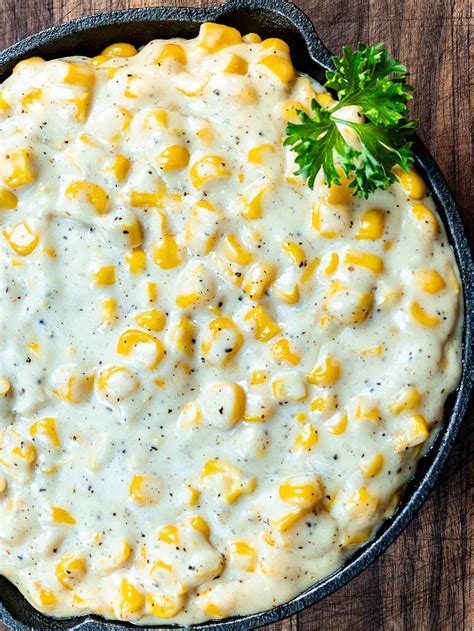
Nothing ruins a ‘Visual Bite’ faster than off-color food. White balance calibrates your camera to accurately represent colors under different lighting conditions. Auto White Balance (AWB) works well in many situations, but for critical food photography, you might want to manually set it. Using a custom white balance by taking a photo of a white or grey card under your specific lighting can guarantee accurate colors, making your food look naturally appetizing. Alternatively, common presets like ‘Daylight,’ ‘Cloudy,’ or ‘Shade’ can provide a good starting point.
Focus & Composition: Pinpointing Perfection
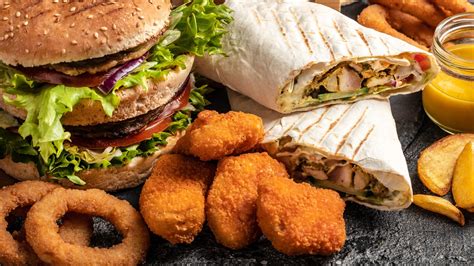
Even with perfect settings, a blurry subject is a missed opportunity. Always ensure your camera is precisely focused on the most appealing part of your dish – whether it’s the glistening glaze, the perfectly seared crust, or the delicate garnish. Many cameras offer various autofocus modes; ‘Single-point AF’ or ‘Spot AF’ allows you to pinpoint your focus precisely. Beyond focus, think about composition. The rule of thirds, leading lines, and negative space can elevate your food photos, making them more dynamic and engaging.

Bringing It All Together: Practice Makes Perfect
Mastering these camera settings takes practice and experimentation. Start with natural light, ideally near a window, and play with different apertures, shutter speeds, and ISOs. Observe how each change affects your image. Don’t be afraid to try different white balance settings or manual focusing. The goal is to develop an intuitive understanding of your camera so you can quickly adapt to any scenario and consistently capture ‘Visual Bites’ that not only look incredible but genuinely captivate and inspire real foodies.
By consciously controlling these settings, you’ll move beyond snapshots and start creating culinary art that truly makes mouths water and stomachs rumble.