Best easy plating tips to make everyday real food meals look gourmet?

Elevate Your Everyday Meals with Simple Plating Techniques
Eating is a multi-sensory experience, and while taste and aroma are paramount, the visual appeal of a dish plays a crucial role in enjoyment. You don’t need a culinary degree or fancy kitchen gadgets to make your everyday home-cooked meals look like they came straight from a gourmet restaurant. With a few easy plating tips, you can transform ordinary ingredients into extraordinary presentations, enhancing your dining experience and impressing your family and guests.
The Canvas: Choose Your Plate Wisely
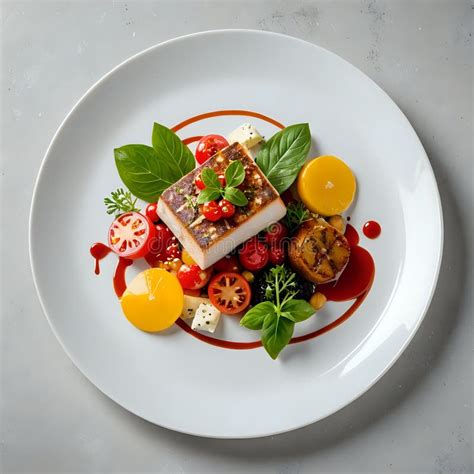
Think of your plate as the canvas for your culinary masterpiece. The right plate can make all the difference. Opt for simple, solid-colored plates, typically white, cream, or black. These neutral tones allow the vibrant colors of your food to stand out without distraction. Avoid plates with busy patterns or overly decorative rims.
Plate size matters too. Don’t overcrowd a small plate, but also avoid making a small portion look lonely on a huge platter. Aim for a plate size that allows a little negative space around your food, giving the dish room to breathe and appear more elegant.
Color and Contrast: A Feast for the Eyes
One of the easiest ways to make a dish pop is by incorporating a variety of colors. Nature provides an abundance of vibrant hues in fruits, vegetables, and herbs. Think about adding a sprinkle of fresh green herbs, a wedge of bright red tomato, or a swirl of orange carrot puree. Contrast is key; pair lighter elements with darker ones to create visual interest.
Even simple dishes can be made more appealing with a touch of color. A handful of chopped parsley on a bowl of pasta, a sprinkle of paprika on roasted potatoes, or some toasted sesame seeds on stir-fry can make a huge difference.
Texture and Height: Building Dimension
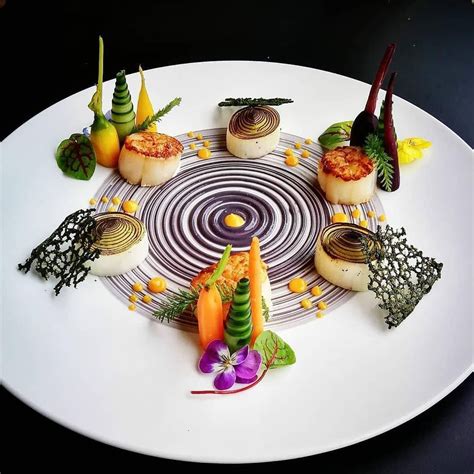
A dish with varying textures is more exciting to eat, and it also looks more dynamic. Consider combining crunchy elements (like toasted nuts or croutons) with creamy components (like a sauce or puree) and tender ingredients (like cooked meat or vegetables). Layering different textures adds depth.
Adding height to your plate instantly elevates its appearance. Instead of spreading everything flat, try stacking ingredients. For instance, build a tower with rice or quinoa using a round mold, or lean roasted asparagus spears against a protein. Even arranging components slightly off-center can create a more artful, three-dimensional look.
The Art of Garnishing and Saucing
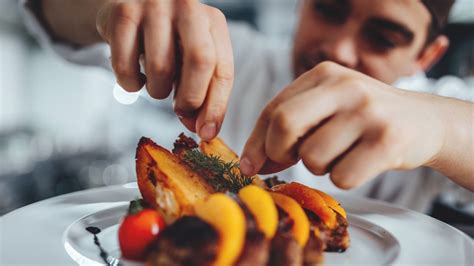
Garnishes are the jewelry of your dish—they add a final touch of beauty and often a burst of flavor. Fresh herbs are your best friends here: a sprig of rosemary, a few cilantro leaves, or finely chopped chives can brighten any plate. Other simple garnishes include citrus zest, a dusting of spices, a few toasted seeds, or edible flowers.
Sauces aren’t just for flavor; they’re excellent for presentation. Instead of simply pouring sauce over your food, try drizzling it artfully. Use a spoon to create a deliberate swipe across the plate, or use a squeeze bottle to make small dots or swirls. Just remember: less is often more when it comes to sauces on the plate; a little goes a long way in terms of visual impact.
![[100+] Food 4k Wallpapers | Wallpapers.com](/images/aHR0cHM6Ly90czEubW0uYmluZy5uZXQvdGg/aWQ9T0lQLk1NdE9GOXdXSmhvd0djVXdiOHI1WWdIYUVLJnBpZD0xNS4x.webp)
The Rule of Odds and Negative Space
When arranging components, try to use the “rule of odds”—items grouped in odd numbers (like three or five) tend to be more visually appealing than even numbers. This creates a more dynamic and less static composition on the plate.
Another crucial element is negative space. Don’t feel the need to fill every inch of your plate. Leaving some empty space around your food helps highlight the main components and gives the dish an elegant, uncluttered appearance. It allows the eye to rest and appreciate the artistry.
Simple Tools, Big Impact
You don’t need specialized equipment for gourmet plating, but a few simple items can make a big difference. A clean kitchen towel is invaluable for wiping away drips or smudges from the rim of the plate before serving. A small spoon or a squeeze bottle can help with precise sauce application. Even a simple ring mold (or the ring from a wide-mouth jar) can help you stack rice or salads neatly.
By implementing these easy plating tips, you’ll not only make your everyday meals look gourmet but also enhance your overall enjoyment of the food. Presentation is a small effort with a big reward, transforming a simple meal into a delightful dining experience. So, next time you cook, take an extra minute to plate your food thoughtfully—your eyes, and your taste buds, will thank you.