Best fresh herb storage for lasting flavor & visual appeal?

Unlock Lasting Freshness for Your Favorite Herbs
Fresh herbs are the soul of many culinary creations, adding vibrant flavor, aroma, and a touch of visual elegance. However, their delicate nature often means they wilt or spoil quickly if not stored properly. Mastering the art of herb preservation is a game-changer for any home cook, ensuring your parsley stays perky, your basil remains brilliant, and your rosemary retains its robust fragrance for much longer.

The Water Bath Method: A Drink for Delicate Greens
This classic technique is ideal for many leafy, tender herbs like parsley, cilantro, dill, and even basil (though basil has its own nuances). Treat them much like a bouquet of flowers:
- Trim Stems: Snip about an inch off the bottom of the stems.
- Water Immersion: Place the herbs, stem-down, into a glass or jar filled with an inch or two of fresh water.
- Cover & Refrigerate: For most herbs, loosely cover the leaves with a plastic bag (or a repurposed produce bag) and place the jar in the refrigerator. Change the water every day or two.
- Basil Exception: Basil prefers room temperature. Store it on the counter, away from direct sunlight, changing the water daily. Refrigeration can cause basil leaves to blacken.
This method helps hydrate the herbs, keeping their leaves crisp and green for up to a week or even longer.
The Damp Paper Towel Roll: Hugging Hardy Herbs
For more robust, woody-stemmed herbs like rosemary, thyme, oregano, chives, and mint, a damp paper towel offers excellent protection. This method works by creating a slightly humid environment without waterlogging the leaves.
- Wash & Dry Thoroughly: Gently wash your herbs and then dry them meticulously. Excess moisture is the enemy here. A salad spinner or patting dry with paper towels works best.
- Wrap Them Up: Lay the herbs in a single layer on a lightly dampened paper towel. Roll them up snugly.
- Seal & Chill: Place the wrapped herbs inside a resealable plastic bag or an airtight container. Store in the crisper drawer of your refrigerator.
This technique can keep hardy herbs fresh for 2-3 weeks, sometimes even longer.
Freezing for Future Flavor: Long-Term Solutions
When you have an abundance of herbs or want to preserve their peak freshness for months, freezing is an excellent option. While the texture might change slightly, the flavor remains largely intact, perfect for cooked dishes.
Oil Cubes: The Flavorful Freeze
Finely chop herbs like parsley, cilantro, dill, or chives. Pack them into ice cube trays, then cover with a neutral-flavored olive oil or melted butter. Freeze until solid, then transfer the herb cubes to a freezer-safe bag. Pop one into soups, stews, or sauces for an instant flavor boost.
Water Cubes: Simple & Effective
For herbs like basil or mint, you can blend them with a little water before freezing into cubes. Alternatively, simply chop and freeze herbs directly in freezer bags. For sturdy herbs like rosemary and thyme, you can freeze whole sprigs on a baking sheet before transferring them to bags.

Drying: A Traditional Path to Preservation
Drying herbs concentrates their flavor and extends their shelf life almost indefinitely. This method is particularly well-suited for woody herbs like rosemary, thyme, oregano, sage, and bay leaves.
Air Drying: Old-School Charm
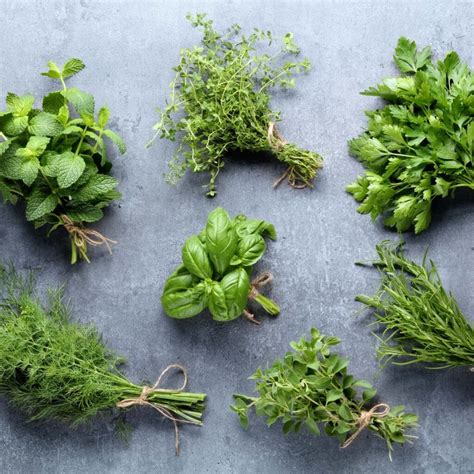
Gather small bunches of herbs, tie them with twine, and hang them upside down in a warm, dry, well-ventilated area away from direct sunlight. This can take anywhere from a few days to a couple of weeks, depending on the herb and humidity. Once completely dry and crumbly, strip the leaves from the stems and store them in airtight containers away from light and heat.
Dehydrator or Oven: Faster Results
A food dehydrator offers a controlled environment for drying. Alternatively, a low oven setting (around 100-150°F or 40-65°C) can also work, but watch them closely to prevent scorching. Spread herbs in a single layer on a baking sheet and bake for several hours, turning occasionally, until brittle.

General Tips for Optimal Herb Freshness
- Wash Gently: Always wash herbs gently under cool running water just before storage or use.
- Dry Thoroughly: Moisture promotes rot. For methods other than the water bath, ensure herbs are completely dry.
- Inspect for Spoilage: Before storing, remove any bruised, yellowed, or spoiled leaves. One bad leaf can spoil the whole bunch.
- Avoid Overcrowding: Give your herbs room to breathe, especially in airtight containers.
- Location Matters: Crisper drawers in refrigerators are designed to maintain ideal humidity for produce.
Elevate Your Culinary Game
By implementing these simple yet effective storage techniques, you can significantly extend the life of your fresh herbs, reduce waste, and ensure you always have vibrant, flavorful ingredients on hand. No more sad, wilted leaves going to waste! Embrace these practices and watch your dishes sing with the lasting freshness and visual appeal of perfectly preserved herbs.