Best fridge storage for peak veggie freshness & flavor?

Every home chef knows the frustration: a beautiful bunch of greens wilting just days after purchase, or vibrant bell peppers losing their snap. The key to preserving that peak freshness and maximizing flavor isn’t just about what you buy, but how you store it. Improper fridge storage is a leading cause of food waste and diminished taste. But fear not, with a few simple strategies, you can transform your refrigerator into a sanctuary for your produce, extending its life and ensuring every bite is as delicious as intended.
The Science Behind Spoilage
Vegetables begin to degrade the moment they’re harvested. Factors like moisture loss, ethylene gas exposure, and enzymatic breakdown all contribute to spoilage. Your refrigerator acts as a slow-motion machine, slowing down these processes by reducing temperature. However, not all veggies are created equal, and their ideal storage conditions vary widely. Understanding these differences is the first step towards mastering produce preservation.
Understanding Your Fridge’s Zones
Your refrigerator isn’t a monolith; it has different temperature and humidity zones. Knowing how to utilize these areas is crucial for optimal storage.
The Crisper Drawers: Humidity Control Masters
Most modern fridges come equipped with two crisper drawers, often with adjustable humidity sliders. These are your best friends for produce storage:
- High-Humidity Setting (Closed Vent): Ideal for leafy greens (spinach, lettuce, kale), broccoli, cauliflower, carrots, and other vegetables that wilt easily. This setting traps moisture, preventing dehydration.
- Low-Humidity Setting (Open Vent): Best for fruits and vegetables that emit ethylene gas and are prone to rot in high moisture, such as apples, pears, peaches, and bell peppers. It allows moisture to escape, reducing spoilage.

Shelves and Doors: Temperature Variations
The upper shelves are typically the warmest, while the lower shelves (above the crispers) are the coldest. The door is the warmest part of the fridge and experiences the most temperature fluctuation. Reserve the door for condiments and less sensitive items, not delicate produce.
Specific Veggie Storage Guide
Let’s dive into how to store common vegetables for maximum longevity:
Leafy Greens (Lettuce, Spinach, Kale)
Wash, dry thoroughly, then wrap in a paper towel and store in an airtight container or a sealed bag in the high-humidity crisper drawer. The paper towel absorbs excess moisture, preventing sliminess.
Root Vegetables (Carrots, Beets, Radishes)
Remove greens (which draw moisture from the roots), then store unwashed in a loosely sealed bag or container in the high-humidity crisper. For potatoes and onions, a cool, dark pantry is preferred, not the fridge.
Herbs (Cilantro, Parsley, Basil)
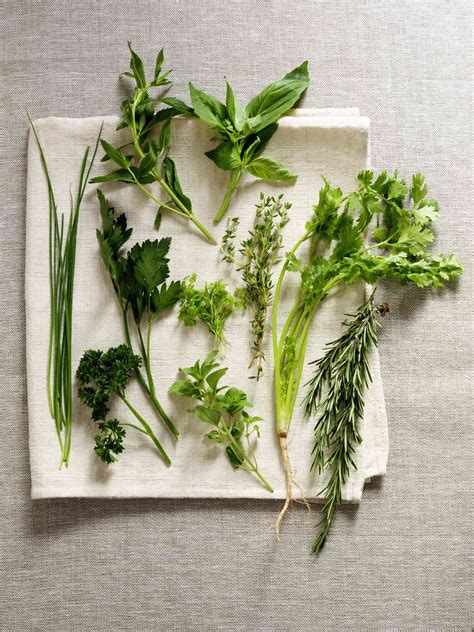
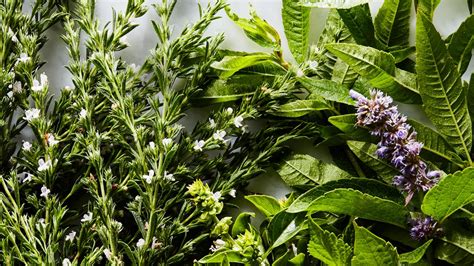
Treat like a bouquet of flowers: trim stems, place upright in a jar with an inch of water, then cover loosely with a plastic bag and refrigerate. Basil, however, prefers room temperature, away from direct sunlight.
Brassicas (Broccoli, Cauliflower)
Store unwashed in a loosely sealed bag in the high-humidity crisper. Washing before storage can encourage mold.
Bell Peppers & Cucumbers
Store in the low-humidity crisper drawer. Cucumbers are sensitive to extreme cold, so place them towards the front of the drawer if possible.
Ethylene Producers vs. Ethylene Sensitives
Some fruits and vegetables, like apples, avocados, and tomatoes, emit ethylene gas, which can accelerate the ripening and spoilage of sensitive produce. Store these separately from ethylene-sensitive items like leafy greens, broccoli, and carrots. Tomatoes, ideally, should be stored at room temperature until ripe, then briefly refrigerated if needed, but they lose flavor quickly in the cold.
Best Practices for Longevity
- Don’t Wash Until Ready: Washing produce before storage can introduce excess moisture, promoting bacterial growth and spoilage.
- Use Proper Containers & Wraps: Breathable mesh bags for onions/potatoes (pantry), airtight containers for cut veggies, and perforated bags for certain greens can make a big difference.
- Avoid Over-Packing: Good airflow is essential. Don’t cram your fridge, as it impedes cooling and can bruise delicate items.
- Regular Cleaning: A clean fridge prevents the spread of bacteria and odors that can affect your produce.
- First In, First Out (FIFO): Rotate your produce so older items are used before newer ones.

Conclusion
Mastering fridge storage for your vegetables is more than just a kitchen chore; it’s an investment in flavor, nutrition, and sustainability. By understanding the unique needs of different produce, utilizing your fridge’s features, and adopting a few simple habits, you can significantly extend the life of your veggies, enjoy their peak freshness, and reduce food waste. Start implementing these tips today and taste the difference!