Best fridge storage hacks to extend fresh produce life?

Revolutionize Your Refrigerator: Keeping Produce Fresh
Tired of tossing wilted greens or moldy berries? Extending the life of your fresh produce isn’t just about saving money; it’s about reducing food waste and ensuring you always have vibrant, nutrient-rich ingredients on hand. With a few smart strategies and a little organization, your refrigerator can become a powerhouse of freshness.
Understand Your Produce’s Needs
Not all produce is created equal, and understanding the unique requirements of different fruits and vegetables is the first step to optimal storage. Some prefer high humidity, others low; some emit ethylene gas, while others are sensitive to it. Knowing these distinctions can dramatically impact their shelf life.
The Power of Proper Washing and Drying
While it might seem counterintuitive, most produce should not be washed until immediately before use. Excess moisture is the enemy of freshness, encouraging bacterial growth and spoilage. For items like leafy greens, if you must pre-wash, ensure they are thoroughly dried using a salad spinner or paper towels before storage.
Clever Hacks for Leafy Greens
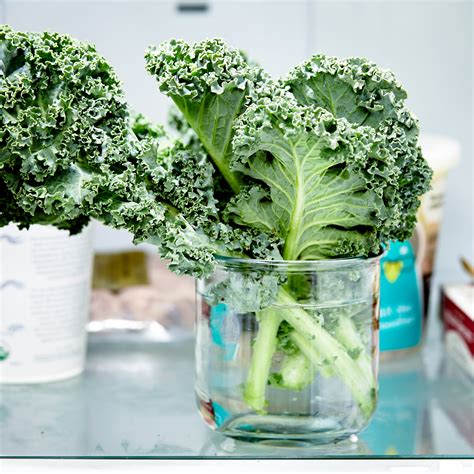
Leafy greens like lettuce, spinach, and kale thrive on controlled moisture. After washing and thoroughly drying, wrap them in a paper towel before placing them in an airtight container or a sealed bag. The paper towel absorbs excess moisture, preventing sliminess, while the container maintains a humid environment to keep them crisp. Change the paper towel every few days if needed.
Banish Berry Blues
Berries are notoriously delicate. To extend their life, give them a quick vinegar bath (a 1:3 ratio of white vinegar to water) right after purchasing. Swish them gently, then rinse thoroughly under cold water. Crucially, dry them completely by spreading them on a clean towel or paper towels before storing them in a single layer in a breathable container in the fridge. This simple step helps kill mold spores.
Herbs: A Bouquet of Freshness
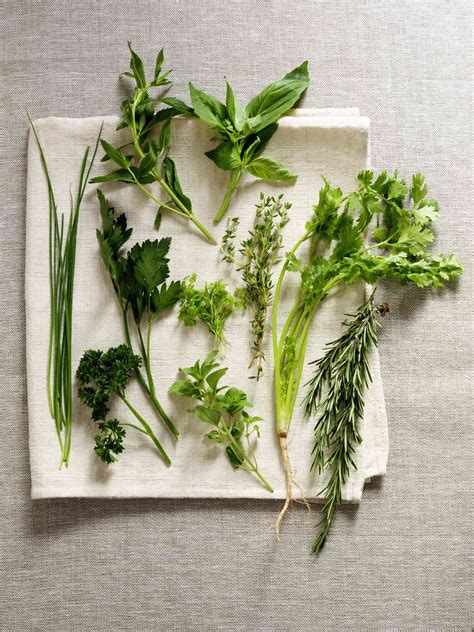
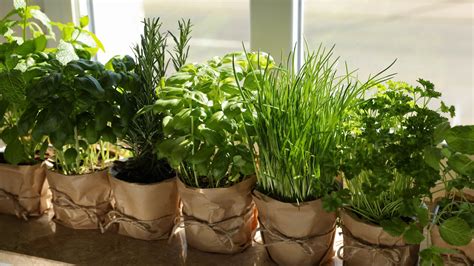
Treat soft herbs like parsley, cilantro, and basil like a bouquet of flowers. Trim the bottoms of the stems, place them in a glass with about an inch of water, and cover loosely with a plastic bag. Store them in the fridge (basil prefers room temperature if possible, but the fridge method extends its life significantly). Hardier herbs like rosemary and thyme can be wrapped in a damp paper towel and stored in a sealed bag.
Mastering the Crisper Drawers
Your refrigerator’s crisper drawers aren’t just for show; they’re designed with adjustable humidity controls. The high-humidity drawer (usually marked with a ‘vegetable’ setting or a closed vent) is ideal for leafy greens, broccoli, carrots, and other vegetables that wilt easily. The low-humidity drawer (often for ‘fruits’ or an open vent) is best for fruits and vegetables that emit ethylene gas, such as apples, pears, and avocados, or items that can rot in high moisture, like mushrooms.

Ethylene Producers vs. Ethylene Sensitives
Ethylene gas is a natural plant hormone that ripens fruit and can cause nearby produce to spoil faster. Store strong ethylene producers like apples, apricots, avocados, bananas (ripe), cantaloupe, figs, melons, nectarines, peaches, pears, and plums separately from ethylene-sensitive items such as broccoli, cabbage, carrots, cucumbers, leafy greens, and potatoes. This separation is key to preventing premature spoilage.
General Fridge Organization Tips
- Airtight Containers: Invest in quality airtight containers to protect produce from dehydration and absorb odors.
- Don’t Overstuff: Allow air to circulate freely around your produce for optimal cooling and to prevent hot spots.
- First-In, First-Out: Practice a ‘first-in, first-out’ system to ensure older produce is used before it expires.
- Clean Regularly: Wipe down your fridge shelves and drawers frequently to prevent the spread of bacteria.
Conclusion: A Fresher Fridge, A Happier You
By implementing these simple yet effective fridge storage hacks, you’ll not only extend the life of your fresh produce but also cultivate a more organized and efficient kitchen. Say goodbye to food waste and hello to a refrigerator consistently stocked with vibrant, delicious ingredients ready for your next culinary adventure.