

Best garnishes for stunning food photos?

In the world of food, we eat first with our eyes. This rings especially true for food photography, where a beautifully plated dish can be the difference between a simple snapshot and a viral sensation. Garnishes are not just an afterthought; they are powerful tools for adding color, texture, and visual interest, transforming a good photo into a truly stunning one.
The Power of Fresh Herbs
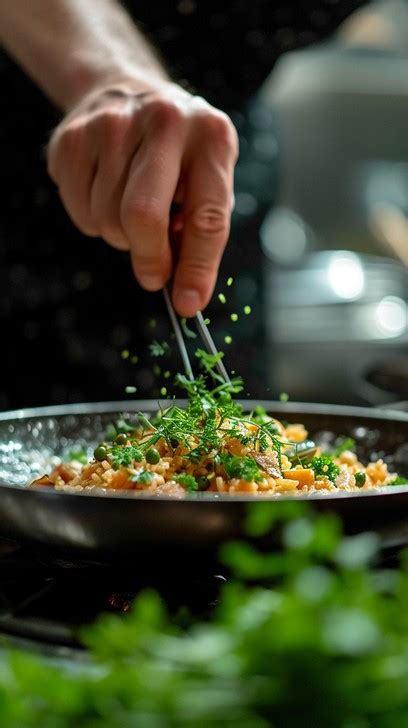
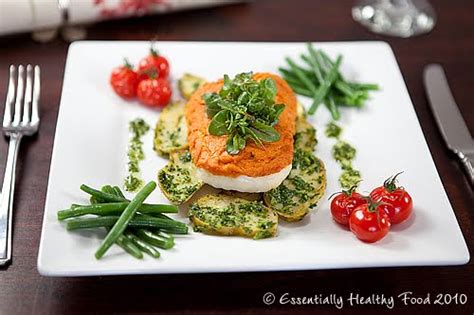
Fresh herbs are perhaps the most common and effective garnishes for food photography. Their vibrant green hues provide a natural pop of color and freshness, creating a beautiful contrast against many dishes. Think about delicate sprigs of parsley or cilantro scattered over a savory main, a few mint leaves adorning a dessert, or rosemary tucked alongside roasted vegetables.
- Parsley & Cilantro: Classic choices for savory dishes, offering bright green and intricate leaf patterns.
- Mint: Perfect for desserts, fruit salads, and refreshing drinks.
- Dill & Chives: Excellent for fish, eggs, and creamy sauces.
- Rosemary & Thyme: Best with roasted meats, potatoes, and hearty stews, often used as a rustic accent.
Brightening with Citrus
Citrus fruits bring a burst of color and a sense of freshness that can instantly liven up a food photo. Whether it’s a thin slice of lemon, a vibrant lime wedge, or a sprinkle of orange zest, citrus adds both visual appeal and the suggestion of bright flavor.
- Slices & Wedges: Ideal for drinks, seafood, and salads. Arrange them artfully to catch the light.
- Zest: A finely grated zest can add subtle color and texture, perfect for desserts, pasta, or lighter dishes.
Adding Texture and Color with Spices & Seeds
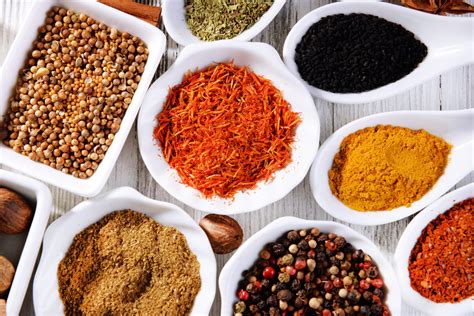
Strategic use of spices and seeds can introduce fascinating textures and rich colors to your food photos. A light dusting or a precise sprinkle can draw the eye and add depth.
- Smoked Paprika & Chili Flakes: Add warmth and a touch of heat to savory dishes.
- Sesame Seeds & Poppy Seeds: Great for baked goods, salads, and Asian-inspired dishes, offering tiny, intricate textures.
- Nuts (Chopped): Provide crunch and a rustic element to both sweet and savory items.
Elegant Touches: Edible Flowers & Microgreens
For a truly sophisticated and delicate touch, edible flowers and microgreens are unparalleled. They introduce unique colors and shapes, making a dish feel gourmet and visually stunning.
- Edible Flowers: Pansies, violas, nasturtiums, calendula, or borage can transform a plate into a work of art. Use them sparingly to avoid overwhelming the dish.
- Microgreens: Tiny, tender, and packed with color, microgreens (like radish, pea, or broccoli shoots) add height, texture, and a gourmet feel to almost any dish.
The Art of Sauces and Drizzles
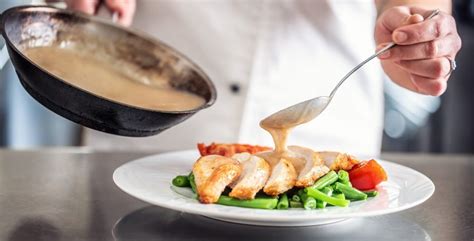
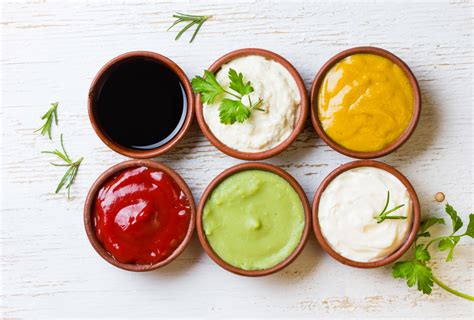
A well-executed drizzle or swirl of sauce can add dynamic lines and vibrant pools of color to your photos. From rich chocolate drizzles on desserts to savory balsamic glazes on appetizers, sauces create movement and visual interest.
- Balsamic Glaze: Perfect for Caprese salads, roasted vegetables, and grilled meats.
- Berry Coulis: Adds a beautiful, vibrant pool of color to cheesecakes, panna cottas, and pancakes.
- Pesto or Herb Oil: Creates lovely green swirls or dots on pasta, soups, or even as a base on a plate.
Building Visual Interest with Key Ingredients
Sometimes, the best garnish is simply one of the dish’s core ingredients, artfully presented. A perfectly cooked shrimp placed strategically on a pasta dish, a few extra berries next to a tart, or a sprinkle of toasted cheese on a soup can tell a story and enhance authenticity.
- Reservoir Ingredients: Hold back a few key ingredients to place fresh on top just before shooting.
- Crumbs & Sprinkles: A slight dusting of powdered sugar on a cake or breadcrumbs on a casserole adds texture.

Essential Garnish Styling Tips
Mastering garnishes for photography goes beyond just choosing the right ingredients; it’s also about how you use them.
Freshness is Key
Always use the freshest possible ingredients. Wilted herbs or dull citrus will detract from your photo. Keep them chilled and prepare just before shooting.
Less is More
Over-garnishing can make a dish look cluttered and unappetizing. A few carefully placed elements are far more effective than a heap of them. Aim for balance and elegance.
Consider Color and Contrast
Think about how the garnish’s color will interact with the dish. A contrasting color will pop, while a complementary color will create harmony. Avoid garnishes that blend too much with the main food.
Placement Matters
Place garnishes strategically to lead the eye, create a focal point, or add height and dimension. Don’t just dump them on; consider angles and composition.
Conclusion
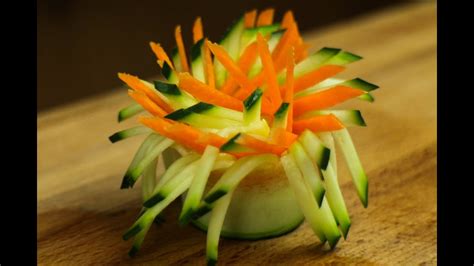
Garnishes are your secret weapon in creating truly stunning food photographs. By understanding the power of fresh herbs, vibrant citrus, delicate edible flowers, and artful drizzles, you can transform ordinary dishes into visual masterpieces. Experiment with different combinations, pay attention to color and texture, and always remember that a thoughtful garnish can elevate a photo from good to unforgettable. Practice makes perfect, so grab your camera and start experimenting with these visual delights!