Best hack for keeping fresh herbs vibrant longer for foodie-worthy garnishes?

Why Fresh Herbs Are a Foodie’s Best Friend
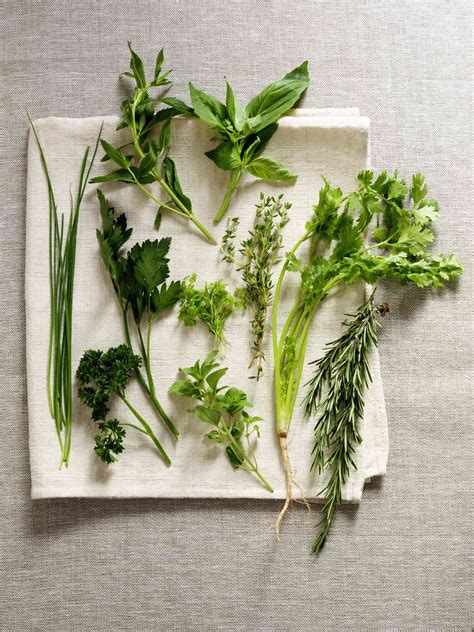
For any true foodie, fresh herbs are non-negotiable. They don’t just add a burst of flavor; they elevate a dish visually, transforming a simple meal into a culinary masterpiece with their vibrant color and delicate structure. A sprinkle of bright green chives, a sprig of fragrant rosemary, or a scattering of delicate dill can make all the difference between good and unforgettable. However, the struggle is real: those beautiful bunches often wilt into sad, limp shadows of their former selves just days after purchase. Fear not, fellow food enthusiasts, for there is a simple, highly effective hack to ensure your herbs remain crisp, colorful, and ready for their garnish close-up.
The Ultimate Hack: Prep, Wrap, and Refrigerate
The secret to extending the life and vibrancy of your fresh herbs lies in a three-pronged approach: proper preparation, strategic wrapping, and optimal refrigeration. This method tackles the two main enemies of fresh herbs: moisture loss and excessive moisture that leads to rot. Get ready to say goodbye to wasted herbs and hello to consistently gorgeous garnishes!
Step 1: The Gentle Cleanse and Inspection
As soon as you bring your herbs home, give them a quick, gentle wash under cool running water. This removes any dirt or pesticides. While washing, inspect each sprig. Discard any yellowed, bruised, or already wilting leaves. You only want to preserve the freshest parts.
Step 2: The Crucial Dry
This is arguably the most critical step. Excess moisture clinging to your herbs will accelerate spoilage. After washing, gently pat the herbs dry with a clean kitchen towel. For soft, delicate herbs like parsley, cilantro, dill, or mint, a salad spinner is an excellent tool to remove most of the water without bruising. Ensure they are as dry as possible to the touch before moving to the next step.
Step 3: Tailored Storage Techniques
Different herbs benefit from slightly different approaches, though the core principle of moisture control remains.
Method A: The Damp Paper Towel Wrap (for most soft herbs)
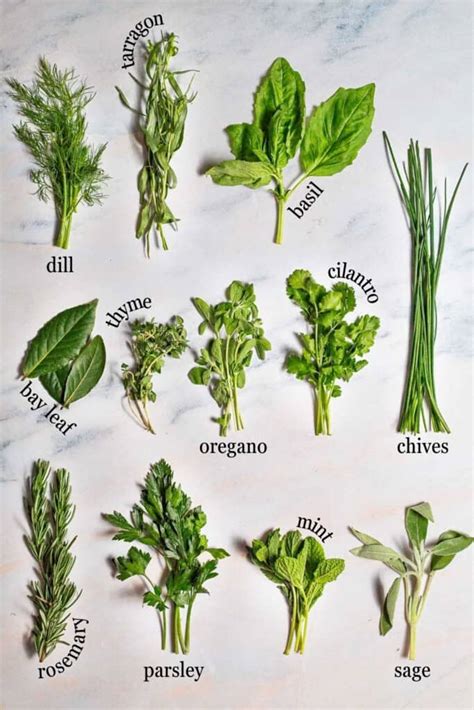
This method works wonders for delicate herbs like parsley, cilantro, dill, mint, basil, and tarragon. Lightly dampen a few sheets of paper towel (they should be moist, not dripping wet). Lay your dried herbs in a single layer on the paper towel, then loosely roll them up. Place the rolled bundle into an airtight container or a large zip-top bag. The damp paper towel provides just enough humidity to prevent drying out, while the airtight container protects them from refrigerator odors and further dehydration.
Method B: The Water Jar Method (for hardy, stemmy herbs)
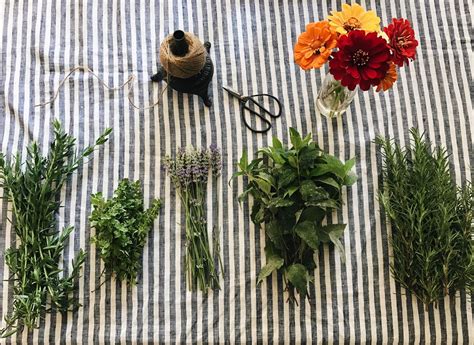
Hardier, woody-stemmed herbs like rosemary, thyme, oregano, and sometimes parsley or cilantro, thrive when treated like a miniature bouquet. Trim about an inch off the bottom of the stems. Place the herbs stem-down in a glass or jar filled with about an inch of fresh water, similar to how you would keep cut flowers. For extra protection, you can loosely cover the top with a plastic bag before placing it in the refrigerator. Change the water every day or two to keep it fresh.
Step 4: Strategic Refrigeration
Once prepped and wrapped, store your herbs in the crisper drawer of your refrigerator. This is typically the most humid part of the fridge, providing the ideal environment. Avoid storing them near fruits that emit ethylene gas (like apples, bananas, or tomatoes), as this can accelerate ripening and spoilage of your herbs.
Bonus Tips for Maximum Freshness
- Avoid over-packing: Give your herbs a little breathing room in their container.
- Check regularly: Every few days, take a peek at your stored herbs. If the paper towel is drying out, re-dampen it. Remove any leaves that show signs of spoilage immediately to prevent it from spreading.
- Trim as needed: If using the water jar method, re-trim the stems every couple of days if they start to look slimy.
- Basil exception: While some prefer Method A for basil, it’s often best kept at room temperature, stems in water, away from direct sunlight, and not refrigerated as cold can cause it to blacken. If you must refrigerate, use Method A but understand it might still lose some vibrancy.
Conclusion: Elevate Your Culinary Creations
By implementing this simple yet effective hack, you can extend the life of your fresh herbs from a mere few days to well over a week, sometimes even two. Imagine the convenience of always having vibrant, flavorful garnishes at your fingertips, ready to add that professional foodie touch to every dish. No more sad, wilted leaves or last-minute grocery runs. Embrace these techniques, and your kitchen, and your palate, will thank you!