Best hacks for keeping fresh produce vibrant & reducing food waste?

Unlock the Secret to Long-Lasting Freshness
Fresh fruits and vegetables are cornerstones of a healthy diet, yet their fleeting shelf life often leads to unnecessary waste. Globally, a significant portion of produce is discarded before it even reaches our plates, contributing to both environmental and economic concerns. But what if you could dramatically extend the vibrancy of your produce, saving money and reducing your carbon footprint? It’s easier than you think. By understanding a few simple principles and implementing clever storage hacks, you can keep your ingredients crisp, colorful, and delicious for much longer.
Understand Your Produce: Separation is Key
One of the most crucial factors in produce longevity is understanding how different items interact, particularly concerning ethylene gas. Ethylene is a natural plant hormone that ripens fruits and vegetables. While beneficial for some, it can accelerate spoilage in others.
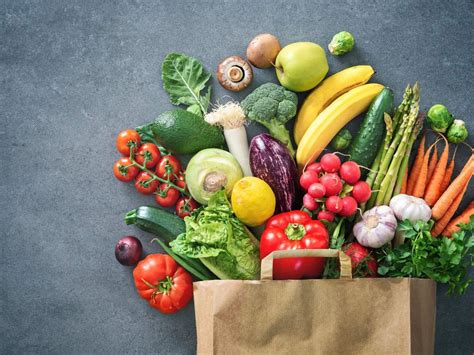
- Ethylene Producers: Apples, avocados, bananas, peaches, tomatoes, and melons emit high levels of ethylene.
- Ethylene Sensitive: Keep broccoli, leafy greens, carrots, cucumbers, and berries away from ethylene producers.
Storing these groups separately is the first fundamental step towards reducing premature spoilage. For example, storing bananas next to delicate greens will cause the greens to yellow and wilt much faster.
Master the Art of Proper Storage Locations
Not all produce belongs in the refrigerator. Understanding the ideal temperature and humidity for each item is vital.
Room Temperature Staples:
- Tomatoes: Store on the counter, away from direct sunlight, to preserve flavor and texture. Refrigeration can make them mealy.
- Potatoes & Onions: Store in a cool, dark, dry place, but keep them separate. Onions emit gases that can cause potatoes to sprout.
- Bananas: Keep on the counter until ripe, then move to the fridge to slow further ripening (the skin may blacken, but the fruit inside will remain fresh).
- Avocados: Store on the counter until ripe, then refrigerate to extend their life by a few days.
Refrigerator Essentials:
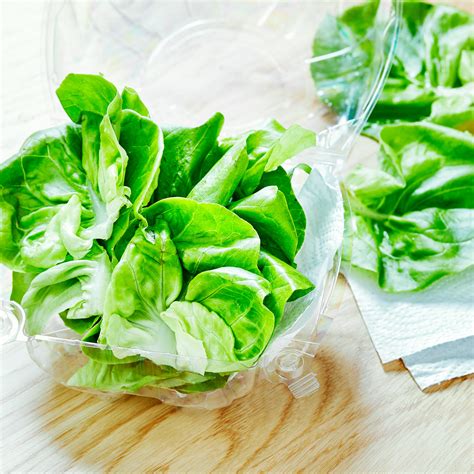
- Leafy Greens (Lettuce, Spinach, Kale): Wash, dry thoroughly (a salad spinner is excellent), and store in an airtight container lined with a paper towel to absorb excess moisture. Change the paper towel every few days.
- Berries: Gently wash just before eating. For longer storage, a vinegar bath (1 part vinegar to 3 parts water) followed by thorough drying can inhibit mold growth. Store in a breathable container.
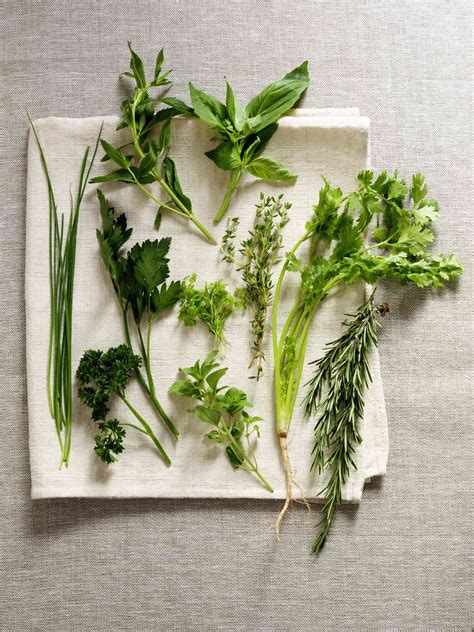
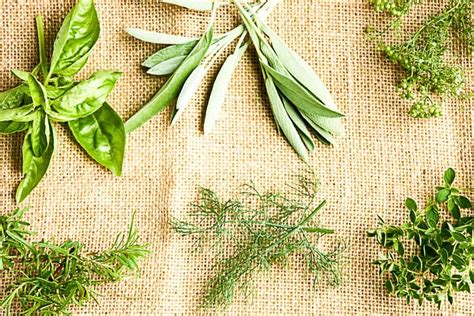
- Herbs (Parsley, Cilantro, Basil): Treat like a bouquet of flowers. Trim the ends, place upright in a jar with an inch of water, and cover loosely with a plastic bag. Refrigerate (except basil, which prefers room temperature).
- Carrots & Celery: Store in an airtight container or submerged in water in the fridge to maintain crispness.
Innovative Hacks for Extended Life
Beyond basic storage, a few clever tricks can make a big difference.
- Aluminum Foil Wrap: Wrap broccoli and celery tightly in aluminum foil before refrigerating. This helps them retain moisture and stay crisp for weeks.
- Water Bath for Asparagus: Trim the ends of asparagus spears and stand them upright in a glass with an inch of water, then refrigerate. Cover loosely with a plastic bag.
- Paper Towel Trick: For mushrooms, store them in a paper bag or a container with a paper towel. This allows them to breathe and absorbs excess moisture, preventing sliminess.
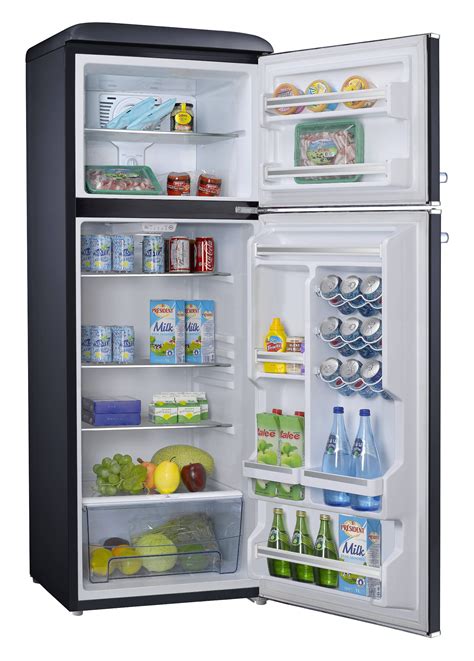
- The ‘Fresh Produce’ Drawer: Utilize your refrigerator’s crisper drawers. The high-humidity drawer is ideal for leafy greens and most vegetables, while the low-humidity drawer is better for fruits that need less moisture, like apples.
Don’t Wash Until You’re Ready
Pre-washing produce, especially delicate items like berries and greens, can introduce moisture that accelerates spoilage. It’s generally best to wash fruits and vegetables just before you’re about to use them. For greens that you want to prep ahead, make sure they are thoroughly dried before storing them as mentioned above.

Embrace Creative Solutions for “Past Its Prime” Produce
Even with the best storage practices, some produce might start to look a little sad. Don’t toss it! Embrace its potential:
- Wilting Greens: Revive limp greens by soaking them in a bowl of ice water for 15-30 minutes.
- Soft Fruits: Overripe berries, bananas, or peaches are perfect for smoothies, jams, or baking.
- Vegetable Scraps: Keep a bag in your freezer for vegetable scraps (onion peels, carrot tops, celery ends). When full, use them to make flavorful homemade vegetable broth.
A Fresher Future Awaits
By integrating these simple yet powerful hacks into your kitchen routine, you’ll not only enjoy fresher, more vibrant produce for longer but also make a significant dent in your household food waste. It’s a win-win for your wallet, your palate, and the planet. Start experimenting with these tips today and transform the way you interact with your fresh ingredients.