Best ingredient swaps for vibrant recipe visuals & foodie flavor?

Cooking is an art form that engages all our senses, and while taste is paramount, the visual appeal of a dish can significantly enhance the dining experience. A plate that looks good often tastes even better! This article delves into the transformative power of strategic ingredient swaps, showing you how to effortlessly elevate both the aesthetics and the flavor profiles of your home-cooked meals.
Why Ingredient Swaps are a Game Changer
Often, we stick to recipes rigidly, but the true magic happens when we understand the role each ingredient plays and become confident in making substitutions. Ingredient swaps aren’t just for dietary restrictions; they are powerful tools for culinary creativity. They can introduce new colors, textures, and depths of flavor, turning a mundane meal into a vibrant feast for the eyes and the palate.
Swapping for Stunning Visuals
Color Boosters
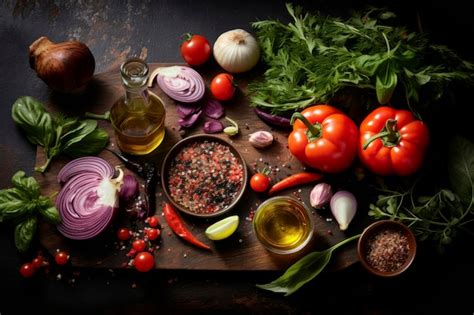
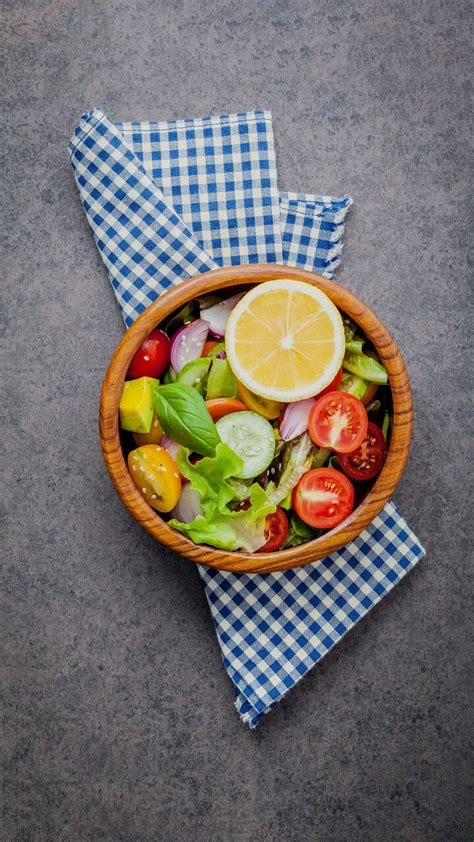
The easiest way to make a dish pop is by adding color. Think beyond just the main ingredients. A sprinkle of fresh herbs like chopped parsley, cilantro, or chives can instantly add a fresh green hue. Bell peppers come in a rainbow of colors and can be easily incorporated into stir-fries, salads, or roasted vegetable medleys. Turmeric and paprika don’t just add flavor; they impart warm yellows and reds that can make sauces and grains look incredibly inviting. Even a simple lemon or lime zest can introduce a bright yellow or green fleck that catches the eye.
Texture and Contrast
Visual appeal isn’t just about color; it’s also about contrast and texture. A dish with varying textures is inherently more interesting. Swap out plain croutons for toasted nuts or seeds (like pumpkin or sunflower) in salads for an extra crunch. Add crispy fried onions or shallots as a topping for soups or curries. Roasted chickpeas or crispy kale chips can add both texture and a rustic look to grain bowls and salads. Don’t forget the power of a dollop of contrasting color, like a swirl of bright red pepper pesto on a creamy soup.
Garnish and Finishing Touches
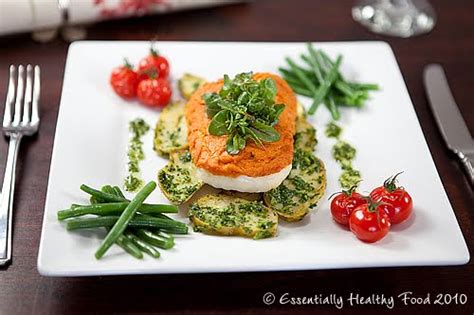
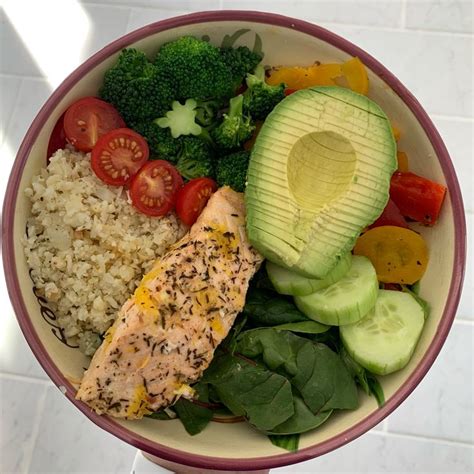
The final touches make a huge difference. Instead of just plating, think about how a simple garnish can elevate the dish. A few sprigs of fresh dill on salmon, a scattering of pomegranate seeds over a salad, or a drizzle of balsamic glaze on roasted vegetables can transform the appearance. A dusting of cocoa powder on a dessert or a swirl of crème fraîche on a hearty stew provides both visual interest and an extra layer of flavor.

Elevating Flavor Profiles with Smart Swaps
Depth and Umami
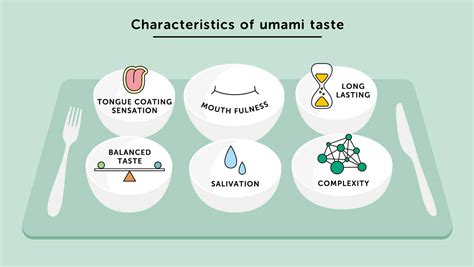
Umami is that savory, satisfying flavor that makes you want more. You can introduce it through smart swaps. Instead of just water, use vegetable or chicken broth as a base for soups and stews. Add a spoonful of miso paste to dressings or sauces for a rich, fermented depth. Nutritional yeast can give a cheesy, umami kick to vegan dishes. Sautéed mushrooms, sun-dried tomatoes, or a dash of soy sauce (or tamari for gluten-free) are also excellent umami boosters that don’t overpower the dish.
Acidity and Brightness
A touch of acidity can cut through richness, brighten flavors, and make a dish sing. If a dish feels flat, consider a swap. Instead of just water, deglaze your pan with white wine or a splash of apple cider vinegar. Lemon or lime juice can add a zesty finish to almost anything, from fish to vegetables. Tomatoes, whether fresh, canned, or sun-dried, bring a natural sweetness and acidity that enhances many savory dishes. Even a dollop of plain Greek yogurt or sour cream can add a pleasant tang and creamy texture.
Herb and Spice Power
Herbs and spices are your best friends for flavor. Don’t be afraid to experiment beyond the basics. Swap out dried herbs for fresh whenever possible for a more vibrant, intense flavor. Instead of just salt and pepper, try a pinch of smoked paprika for warmth, cumin for earthy notes, or sumac for a lemony tang. Consider swapping different chili varieties for varying levels of heat and flavor complexity. For example, a jalapeño offers fresh heat, while a chipotle provides smoky depth.
Tips for Successful Swaps
- Understand the Ingredient’s Role: Is it for moisture, texture, fat, acidity, or bulk? Knowing this helps you choose an appropriate substitute.
- Start Small: When trying a new swap, begin with a small amount and taste as you go. You can always add more.
- Consider Flavor Profile: Ensure the swapped ingredient complements the overall flavor of the dish.
- Texture Matters: Think about how the swap will affect the final texture – will it be too mushy, too dry, or just right?
By embracing ingredient swaps, you unlock a world of culinary possibilities, transforming your cooking from routine to remarkable. Experiment with confidence, trust your taste buds, and enjoy the process of creating dishes that are as beautiful to behold as they are delicious to devour.