Best lens/lighting for authentic street food photos on a global food adventure?

Capturing Culinary Culture: The Essence of Authentic Street Food Photography
Embarking on a global food adventure is a feast for the senses, and capturing those ephemeral moments of culinary delight requires more than just a camera. To truly convey the authenticity and vibrancy of street food, photographers need the right tools and techniques, particularly concerning lenses and lighting. This guide will help you select the best gear and strategies to immortalize those mouth-watering encounters.
Choosing Your Lens: Versatility vs. Specialization
The lens is arguably the most critical component in street food photography, dictating everything from depth of field to how much of the scene you can capture. When traveling, striking a balance between portability and photographic capability is key.
The Versatile Zoom Lens: Your Travel Companion
For many travel photographers, a standard zoom lens like a 24-70mm f/2.8 (full-frame equivalent) or an 18-55mm f/2.8-4 (crop sensor) is an excellent all-rounder. Its flexibility allows you to go wide for environmental shots of bustling markets and vendors, and zoom in for tighter food portraits without changing lenses. The constant f/2.8 aperture on professional zooms is beneficial for low-light conditions and creating pleasing background blur (bokeh).
Prime Lenses: Unmatched Sharpness and Bokeh
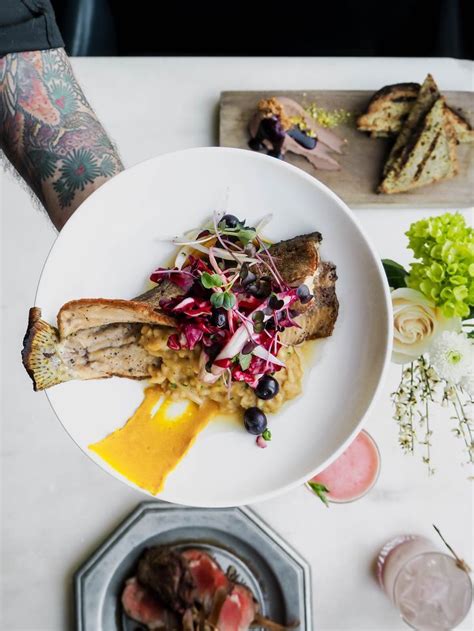
If image quality and creamy bokeh are top priorities, prime lenses are indispensable. A 50mm f/1.8 or f/1.4 (often called the ‘nifty fifty’) is a fantastic, affordable option for full-frame cameras, offering a natural perspective similar to the human eye and superb low-light performance. For crop sensors, a 30mm or 35mm f/1.8 would provide a similar field of view. These lenses excel at isolating your subject and creating stunning depth, making the food truly pop.
Another excellent prime choice is an 85mm f/1.8 or f/1.4. While less versatile for general street scenes, its longer focal length and wide aperture make it ideal for beautiful, compressed food portraits, allowing you to shoot from a slight distance without disturbing the vendor or environment.
Mastering Natural Light: The Photographer’s Best Friend
Street food photography thrives on natural light. Unlike studio settings, you rarely have control over the light source, so understanding how to work with available light is paramount for authentic results.
The Golden Hour and Overcast Days: Ideal Conditions
The soft, warm light of the ‘golden hour’ (shortly after sunrise or before sunset) is universally flattering and can add a magical glow to your food. Overcast days also offer fantastic diffused light, minimizing harsh shadows and creating an even, soft illumination perfect for showcasing textures and colors.

Working with Harsh Midday Sun
Often, street food is enjoyed in the middle of the day under bright, direct sunlight. This can create harsh shadows and blown-out highlights. To mitigate this:
- Seek Shade: Look for natural shade provided by awnings, buildings, or trees. This acts as a giant diffuser, softening the light.
- Backlighting: Position yourself so the sun is behind your subject. This can create a beautiful rim light effect, making steam and textures stand out. Be careful to expose for the food, not the bright background.
- Diffusers/Reflectors: While not always practical for quick street shots, a small, collapsible diffuser can soften direct light, and a white card can bounce light back into shadowy areas.
Composition and Storytelling: Beyond the Plate
Authentic street food photography isn’t just about the food itself; it’s about the context, the people, and the atmosphere. Incorporate elements that tell a story:
- Include Hands: A vendor’s hands preparing food or a customer reaching for a bite adds a human element and a sense of action.
- Capture the Environment: Frame your food with a hint of the bustling market, the vibrant street, or the cooking apparatus to give a sense of place.
- Eye-Level Shots: Often, shooting at the food’s level creates a more intimate and engaging perspective.
Key Takeaways for Your Global Food Adventure
Whether you opt for a versatile zoom or a sharp prime, remember that the best lens is the one you’re comfortable using. Similarly, mastering natural light is more about observation and adaptation than expensive gear. By combining the right lens with an understanding of available light and a desire to tell a story, you’ll be well-equipped to capture truly authentic and mouth-watering street food photos on your global culinary journey.