Best lighting/angle for Visual Bites to make food irresistible on mobile feeds?

Capturing Culinary Magic: Why Lighting and Angles Matter for Mobile Food Photography
In the fast-paced world of mobile feeds, a truly irresistible food photo isn’t just a pretty picture; it’s a ‘visual bite’ that makes viewers stop scrolling, salivate, and crave. For mobile food photographers, mastering the art of lighting and angles is paramount. These two elements, often overlooked, can elevate a simple snap into a tantalizing masterpiece, showcasing textures, colors, and the sheer deliciousness of your dish. Let’s dive into how to leverage them for maximum impact on your mobile device.
The Power of Light: Illuminating Your Dish Perfectly
Light is the painter of your photograph, defining mood, revealing detail, and creating dimension. For mobile food photography, natural light is almost always your best friend.
Harnessing Natural Light: The Golden Standard
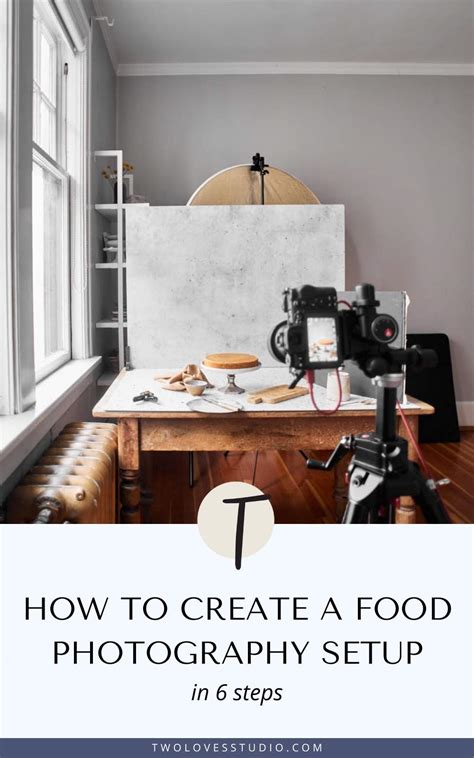
- Window Light (Side or Back): The most flattering light comes from a window. Position your food near a window, allowing the light to hit the dish from the side or slightly behind. Side lighting accentuates texture and creates soft shadows, adding depth. Backlighting can create a beautiful halo effect, especially for liquids or translucent foods, but be careful to avoid silhouetting.
- Diffusion is Key: Direct sunlight is often too harsh, creating blown-out highlights and deep, unflattering shadows. Use a sheer curtain, a piece of parchment paper, or even a white bedsheet as a diffuser between the window and your food to soften the light.
- Reflect and Fill: Combat harsh shadows on the opposite side of your light source by using a reflector. A simple white foam board, a piece of white cardstock, or even a napkin can bounce light back onto the dish, lifting shadows and evening out the exposure.
When Natural Light Isn’t Enough: Artificial Alternatives
- Softbox or Ring Light: If natural light isn’t available, a small LED softbox or ring light designed for mobile photography can mimic soft, even lighting. Position it similarly to how you would natural light – slightly to the side or above.
- Avoid Direct Flash: The built-in flash on your phone is usually too harsh and creates unflattering hot spots and shadows. If you must use artificial light, opt for an external, diffused light source.
Mastering Angles: The Perspective That Tempts
The angle from which you shoot dramatically changes how your food is perceived, highlighting different aspects and telling different stories.
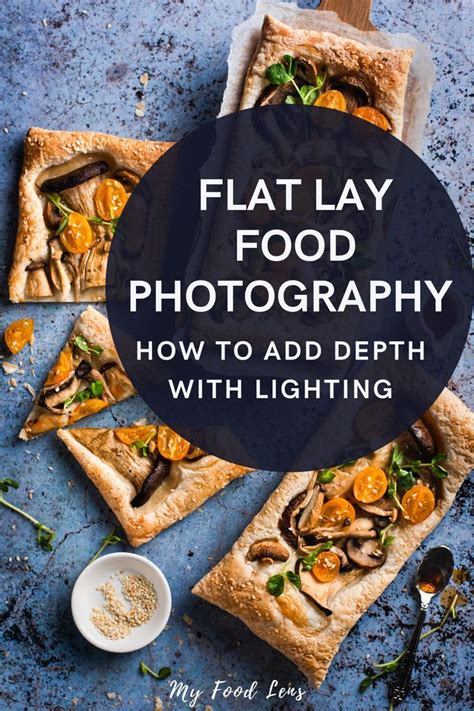
Top-Down (Flat Lay): The Storyteller’s View
Ideal for dishes with intricate toppings or an arrangement of multiple items (e.g., a breakfast spread, a pizza, a bowl of soup). This angle eliminates distracting backgrounds, focuses purely on the food’s composition, and works exceptionally well for mobile feeds where vertical scrolling is dominant.
Eye-Level (Straight On): The Inviting Close-Up
Perfect for showcasing height, layers, and depth (e.g., burgers, cakes, stacks of pancakes, drinks). Shooting straight on makes the viewer feel like they’re sitting right at the table, about to take a bite. It creates an intimate connection with the food.
45-Degree Angle: The Versatile Classic
This is often the safest and most flattering angle for many dishes, striking a balance between showing the top and giving a sense of depth and volume. It’s great for pasta dishes, plated entrees, or anything with a nice presentation that isn’t overly tall or flat.
Extreme Close-Up: Highlighting Texture and Detail
Zoom in to capture the delicious details – the melted cheese, the glistening sauce, the crisp crust. This angle triggers sensory responses, making the food feel more real and immediate.
Pro Tips for Mobile Food Photography Success
- Clean Backgrounds: A cluttered background distracts from your hero. Opt for simple, clean surfaces (wooden boards, white tables, linen fabrics) that complement, not compete with, your food.
- Garnishes and Props: A sprinkle of fresh herbs, a zest of citrus, or a carefully placed fork can add visual interest and context without overpowering the dish. Keep props minimal and relevant.
- Shoot Fast: Food often looks best fresh. Steam dissipates, ice cream melts, and sauces can dry out. Have your setup ready before the food is plated.
- Edit Smartly: Use your phone’s editing tools or third-party apps to make subtle adjustments to brightness, contrast, saturation, and sharpness. A little enhancement goes a long way, but avoid over-editing.
Conclusion
Crafting irresistible visual bites on mobile feeds is an art, and understanding lighting and angles is your brush and canvas. By consciously choosing your light source (favoring natural, diffused window light), experimenting with various angles (flat lay for composition, eye-level for intimacy, 45-degree for versatility, close-up for detail), and applying a few simple mobile photography tips, you can transform your everyday meals into mouth-watering content that truly stands out. Start experimenting today, and watch your food photos become the stars of any mobile feed!