Best lighting & plating tips for visually stunning food photos?

Mastering the Art of Visually Stunning Food Photography
In today’s visually-driven world, presenting food beautifully is almost as important as cooking it well. Whether you’re a food blogger, a home cook sharing creations, or a professional chef, captivating food photos can significantly elevate your dishes. The secret lies in understanding and effectively utilizing two critical elements: lighting and plating.

Illuminating Your Dishes: Essential Lighting Techniques
Lighting is the single most important factor in food photography. It can make or break a shot, dictating mood, texture, and overall appeal.
Embrace Natural Light
The best light source for food photography is almost always natural light. Position your setup near a large window, but avoid direct, harsh sunlight, which can create strong shadows and blown-out highlights. Overcast days or diffused sunlight are ideal, providing a soft, even glow.
Utilize Soft, Diffused Light
Harsh light creates stark shadows and reflections. To soften natural light, use a sheer curtain, a photography diffuser, or even a plain white bedsheet placed between the window and your subject. This creates a gentle, flattering illumination that highlights textures without being distracting.
Backlighting and Side Lighting are Your Friends
While front lighting can flatten your food, backlighting (light coming from behind the dish) or side lighting (light coming from the side) adds depth, dimension, and sparkle, especially to liquids and translucent elements. This technique accentuates textures and creates appealing highlights.
Avoid Direct Flash
Built-in camera flashes are a big no-no for food photography. They produce harsh, flat light, unpleasant reflections, and unnatural colors. If natural light isn’t available, consider using continuous artificial light sources with diffusers.
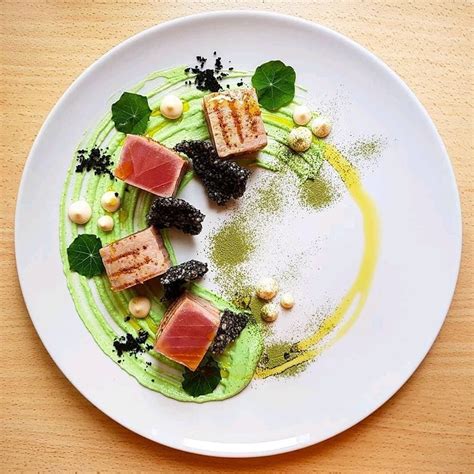
The Art of Arrangement: Flawless Plating Tips
Once you’ve mastered your light, the next step is to arrange your food in a way that is not just appetizing but also visually compelling. Plating is an art form that transforms ingredients into a feast for the eyes.
Less is More: Embrace Simplicity
Don’t overcrowd the plate. Focus on a few key elements and arrange them intentionally. A clean, uncluttered plate allows the main subject to shine. Think about negative space as much as the food itself.
The Rule of Thirds and Asymmetry
Instead of centering everything, imagine your plate divided into a tic-tac-toe grid. Place key elements along the lines or at their intersections. Asymmetrical plating often looks more dynamic and interesting than perfectly symmetrical arrangements.
Color Contrast and Balance
Think about the colors on your plate. A variety of complementary or contrasting colors can make a dish pop. For instance, a vibrant green herb garnish against a rich red sauce creates visual interest. Ensure there’s a good balance so no single color dominates excessively.
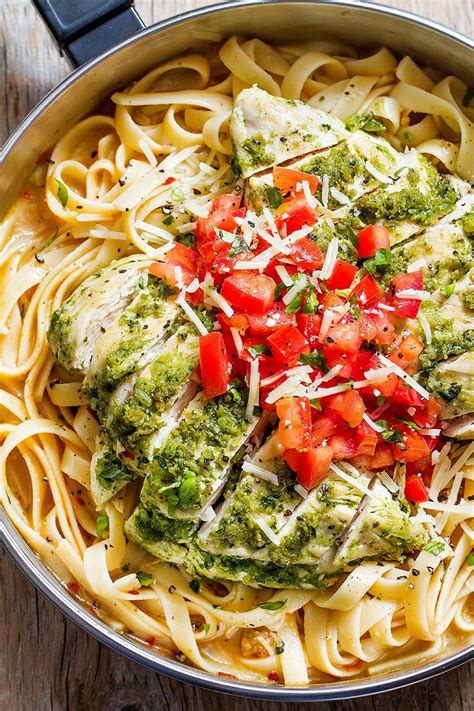
Add Texture and Height
Flat food can look uninspired. Introduce texture through crunchy elements like nuts, seeds, or crispy fried components. Add height by layering ingredients, stacking, or creating a slight mound, giving your dish a three-dimensional appeal.
Thoughtful Garnishing
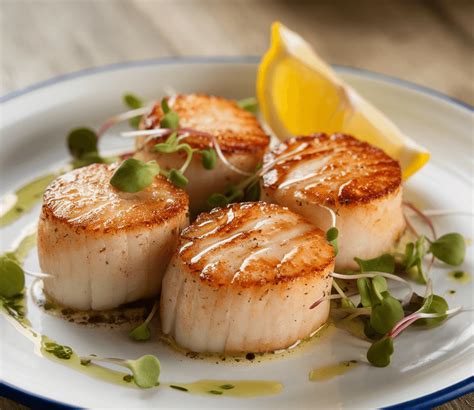
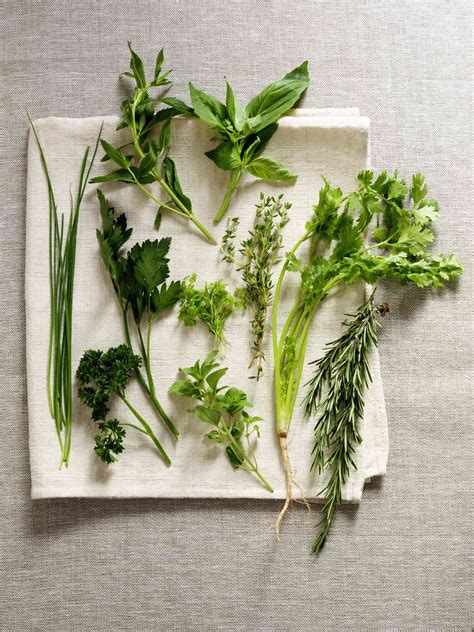
Garnishes aren’t just for decoration; they can add freshness, color, and a hint of flavor. A sprig of fresh herbs, a sprinkle of flaky sea salt, a drizzle of olive oil, or a scattering of microgreens can elevate a dish significantly. Place them deliberately, not just haphazardly.
Cleanliness is Key
Before you even think about shooting, ensure your plate is spotless. Wipe away any smudges, drips, or crumbs. A clean plate makes the entire presentation look professional and appetizing. Also, consider the background and props – keep them simple and complementary.

Bringing It All Together: Practice Makes Perfect
Mastering food photography is an ongoing journey. Start by experimenting with different window light angles, moving your dish around, and trying various plating styles. Pay attention to how light falls on different textures and how small adjustments in garnish placement can alter the entire composition.
Remember that the goal is to make the food look as delicious as it tastes. By consciously applying these lighting and plating techniques, you’ll be well on your way to capturing stunning food photos that truly tell a story.