Best method for keeping fresh herbs vibrant longer for gourmet meals?

The Quest for Lasting Freshness: Why Herbs Matter
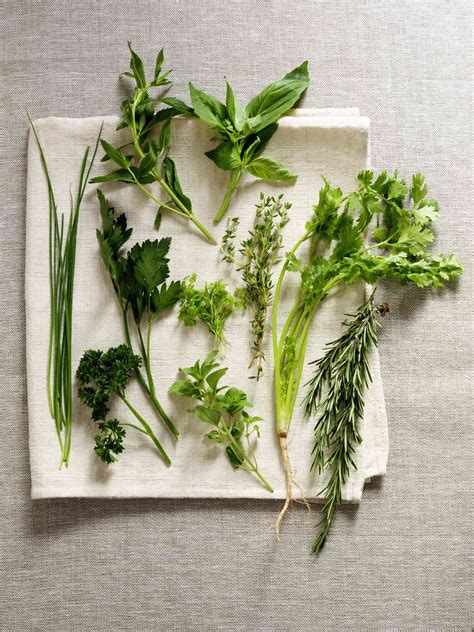
Fresh herbs are the soul of gourmet cooking. Their vibrant colors, delicate aromas, and potent flavors can transform an ordinary dish into an extraordinary culinary experience. However, the fleeting nature of fresh herbs is a common frustration for home cooks and professional chefs alike. Wilted basil, discolored cilantro, and limp parsley can quickly diminish the appeal and taste of a carefully planned meal. The key is not just to store them, but to store them in a way that maintains their vitality and flavor profile for as long as possible.
While various methods exist, some stand head and shoulders above the rest when the goal is preserving that peak-of-freshness vibrancy essential for truly gourmet results. Let’s delve into the techniques that truly work.
The Best Method: Refrigeration with Strategic Care
For most culinary herbs, strategic refrigeration is the gold standard for maintaining vibrancy and extending shelf life. The approach, however, varies significantly depending on whether the herb is delicate and leafy or hardy and woody.
Delicate Herbs: Basil, Cilantro, Parsley, Mint, Tarragon
These herbs are prone to wilting and bruising. Their primary enemies are excessive moisture, which causes rot, and lack of moisture, which leads to drying out. The ‘bouquet’ method is often superior:
- Trim Stems: As you would with a bouquet of flowers, trim about half an inch off the bottom of the stems.
- Water Bath: Place the trimmed stems into a glass or jar with about an inch of fresh, cool water.
- Cover Loosely: Loosely cover the herbs and the glass with a plastic bag (a produce bag works well) to create a humid microclimate without trapping too much moisture. Ensure the bag doesn’t touch the leaves too much.
- Refrigerate: Store the glass in the refrigerator. Change the water every day or two. This method can keep delicate herbs fresh and vibrant for up to 1-2 weeks.
Alternatively, for herbs like cilantro and parsley, you can gently wash, pat them thoroughly dry with paper towels, wrap them loosely in slightly damp paper towels, and then place them in an airtight container or a resealable plastic bag. The key here is ‘slightly damp’ – too wet, and they’ll rot; too dry, and they’ll wilt.
Hardy Herbs: Rosemary, Thyme, Sage, Oregano, Marjoram
Hardy herbs, with their tougher stems and leaves, are less prone to wilting but can still dry out. They typically prefer a drier storage environment than their delicate counterparts:
- Wash and Dry Thoroughly: Gently wash the herbs and pat them completely dry with paper towels. Any residual moisture can lead to mold.
- Paper Towel Wrap: Wrap the thoroughly dried herbs in a dry or very lightly damp paper towel.
- Airtight Container: Place the wrapped herbs in a resealable plastic bag or an airtight container.
- Refrigerate: Store in the refrigerator. This method can keep hardy herbs fresh for 2-3 weeks, sometimes longer.

Beyond Refrigeration: Freezing for Long-Term Flavor
While refrigeration is best for immediate vibrancy, freezing offers an excellent solution for longer-term storage, especially for herbs you use frequently in cooked dishes where a slightly altered texture isn’t an issue (e.g., sauces, soups, stews). The goal here is to preserve flavor, not necessarily the fresh-picked look.
Freezing in Oil or Water
- Chop Herbs: Finely chop your desired herbs.
- Ice Cube Trays: Place the chopped herbs into ice cube trays, filling each compartment about two-thirds full.
- Cover with Liquid: Pour olive oil or water over the herbs until they are submerged. For cooking, olive oil often works best as it adds flavor and protects the herbs from freezer burn.
- Freeze: Freeze until solid.
- Store: Once frozen, pop out the herb cubes and transfer them to a freezer-safe bag or container. They can last for several months, ready to be dropped directly into hot dishes.

Tips for Maximizing Vibrancy and Longevity
- Start Fresh: Always begin with the freshest herbs you can find. Quality in, quality out.
- Gentle Handling: Avoid crushing or bruising herbs, as this releases essential oils and accelerates deterioration.
- Wash Only When Necessary: Wash herbs just before use if possible, or dry them meticulously if washing for storage.
- Check Regularly: Inspect your stored herbs every few days. Remove any leaves that show signs of spoilage to prevent it from spreading.
- Avoid Extreme Temperatures: Keep herbs away from the coldest parts of your refrigerator (like the very back, where they can freeze) or warm spots.
Conclusion
The best method for keeping fresh herbs vibrant longer for gourmet meals largely depends on the type of herb and your intended use. For immediate, peak-of-freshness vibrancy, strategic refrigeration using either the ‘bouquet in water’ method for delicate herbs or the ‘damp paper towel in airtight container’ for hardy herbs is paramount. For longer-term storage and cooked applications, freezing in oil or water provides an excellent alternative, preserving their essential flavors. By adopting these careful storage techniques, you can ensure your culinary creations are always graced with the freshest, most flavorful herbs, elevating every dish to gourmet status.