Best methods for vibrant produce storage to maximize freshness & visual appeal?

The Art and Science of Preserving Peak Produce
Few things are as disappointing as discovering wilted greens or mushy berries just days after a grocery run. Proper produce storage isn’t just about preventing waste; it’s about safeguarding nutritional value, maximizing flavor, and keeping your kitchen vibrant. By understanding the unique needs of different fruits and vegetables, you can significantly extend their shelf life and ensure they remain delicious and visually appealing.

Mastering the Fundamentals: Temperature, Humidity, and Ethylene
The secret to long-lasting produce lies in controlling its environment. Temperature is critical: most fruits and vegetables thrive in cooler temperatures to slow down ripening and decay, but some (like tomatoes and bananas) prefer room temperature. Humidity also plays a vital role; too little can lead to dehydration, while too much can encourage mold.
Perhaps the most misunderstood factor is ethylene gas. This natural plant hormone, produced by certain fruits (like apples, bananas, and avocados), acts as a ripening agent. Storing ethylene-producing produce near ethylene-sensitive items (like leafy greens, broccoli, and cucumbers) can drastically accelerate spoilage.
Strategies for Specific Produce Types
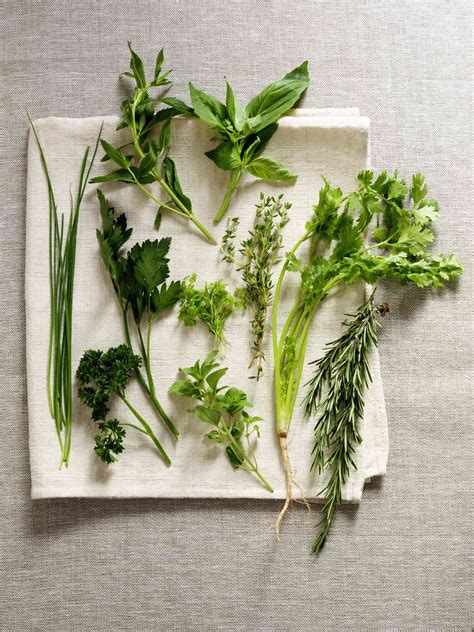
Leafy Greens & Herbs: The Crispness Keeper
- Wash & Dry Thoroughly: While it’s often advised not to wash produce until ready to use, pre-washing greens and herbs can be beneficial if done correctly. After washing, use a salad spinner or paper towels to remove as much moisture as possible.
- Paper Towel Method: Wrap clean, dry greens or herbs in a dry paper towel and place them in an airtight container or a sealed bag in the crisper drawer. The paper towel absorbs excess moisture, preventing sliminess.
- “Bouquet” Method for Herbs: For delicate herbs like parsley, cilantro, and basil (which often doesn’t like cold), trim the ends and place them upright in a glass of water, like a bouquet. Loosely cover with a plastic bag and refrigerate (except basil, which prefers the counter).
Fruits: Counter vs. Fridge & Ethylene Awareness
- Ethylene Producers: Apples, bananas, avocados, tomatoes, cantaloupe, peaches, and pears release ethylene. Store these separately from ethylene-sensitive produce.
- Counter Ripening, Then Fridge: Many fruits, such as avocados, peaches, and plums, ripen best at room temperature. Once ripe, move them to the refrigerator to extend their freshness. Bananas are an exception – their peels will blacken in the fridge, though the fruit inside will be fine for a bit longer.
- Berries: Do not wash berries until you’re ready to eat them, as moisture encourages mold. Store them unwashed in a single layer in a shallow, breathable container in the fridge.
Root Vegetables & Alliums: The Cool, Dark, & Dry Zone
- Potatoes & Onions: Store potatoes, onions, and garlic in a cool, dark, and dry place with good ventilation, like a pantry or cupboard. Never store potatoes and onions together, as gases from onions can cause potatoes to sprout faster.
- Carrots & Beets: Remove any green tops (which draw moisture from the root) and store in an airtight container or plastic bag in the crisper drawer.
General Best Practices for Longevity
- Don’t Wash Until Ready: For most produce, moisture is the enemy of longevity. Wash just before consumption to avoid premature spoilage.
- Use the Crisper Drawers Wisely: Most refrigerators have “high humidity” and “low humidity” crisper settings. Use the high humidity drawer for ethylene-sensitive, moisture-loving vegetables (like leafy greens, broccoli, carrots). Use the low humidity drawer for ethylene-producing fruits that prefer less moisture (like apples, pears, and some stone fruits once ripe).
- Proper Ventilation: For items like squash, pumpkins, and citrus, good airflow can prevent mold. Store them loosely on a shelf or in a mesh bag.
- Inspect Regularly: Remove any spoiling items promptly, as one bad apple (literally!) can spoil the whole bunch by releasing ethylene and spreading mold.

Conclusion: Enjoying Your Garden’s Bounty Longer
By implementing these smart storage strategies, you’re not just reducing food waste; you’re preserving the vibrant flavors, essential nutrients, and aesthetic appeal of your fresh produce. A little knowledge about temperature, humidity, and ethylene goes a long way in ensuring your fruits and vegetables stay fresh and delicious, ready to elevate your meals whenever you desire. Embrace these habits, and transform your kitchen into a haven of lasting freshness.