Best methods to keep fresh herbs vibrant for weekly meal prep?

Elevate Your Meal Prep with Long-Lasting Fresh Herbs
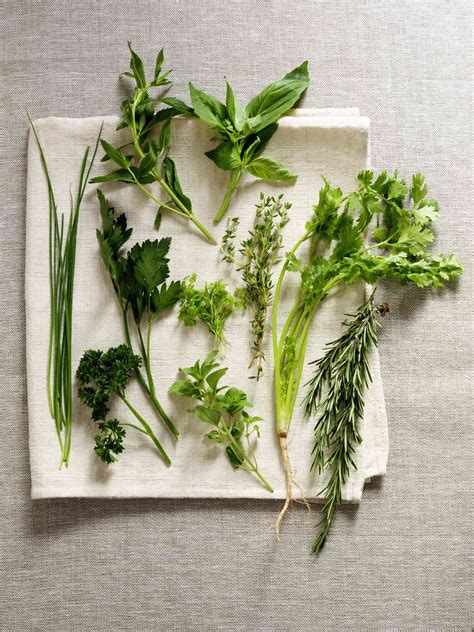
Fresh herbs are the secret ingredient that can transform a simple meal into a culinary masterpiece. However, their delicate nature often means they wilt or spoil quickly, making them a challenge for weekly meal prep. The good news is, with a few clever storage techniques, you can keep your basil bright, your cilantro zesty, and your rosemary fragrant all week long, ensuring your prepped meals are always bursting with flavor.
Mastering the art of herb preservation not only reduces food waste but also saves you time and money, making your kitchen life more efficient and enjoyable.

The Golden Rule: Wash and Dry Thoroughly
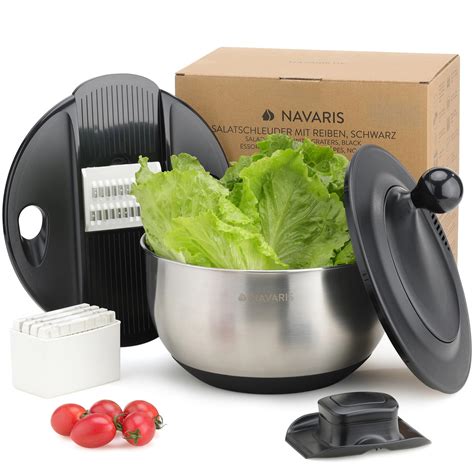
Before you even think about storing your herbs, proper washing and drying are paramount. Any excess moisture will accelerate spoilage. Start by gently rinsing your herbs under cool running water to remove dirt and debris. For delicate herbs like cilantro or parsley, a salad spinner is your best friend for thorough drying. For hardier herbs like rosemary or thyme, pat them dry with a clean paper towel.
Ensure they are completely dry before moving to the next step. Even a tiny bit of moisture can lead to mold and wilting.
Traditional Storage Methods for Refrigeration
1. The Bouquet Method (Best for Basil, Parsley, Cilantro)
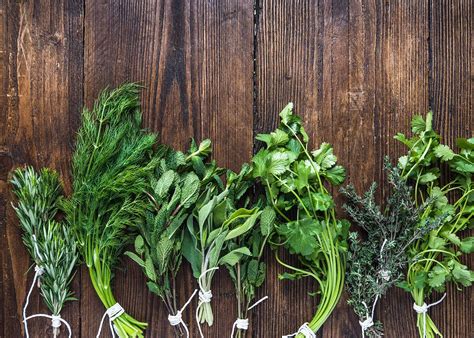
Treat delicate herbs like flowers. Trim the ends of the stems and place them upright in a glass jar or container with about an inch of water. Cover the leaves loosely with a plastic bag (or the produce bag they came in) to create a humid environment, then refrigerate. Change the water every day or two. Basil, in particular, thrives at room temperature in water if your kitchen isn’t too hot, but for longer prep, the fridge (covered) is usually better.
2. The Damp Paper Towel Method (Versatile for Most Herbs)
For a broader range of herbs including chives, mint, and tarragon, wrap the clean, dry herbs in a slightly damp paper towel. Place this bundle into a resealable plastic bag or an airtight container. The dampness keeps them hydrated without being waterlogged. This method works well for hardier herbs too, like rosemary and thyme, if you prefer not to use the bouquet method.
Beyond the Fridge: Freezing Herbs for Extended Freshness
Freezing is an excellent option for preserving larger quantities of herbs, especially when you know you won’t use them all fresh within a week. While frozen herbs might lose some of their crisp texture, their flavor remains robust, making them perfect for soups, stews, sauces, and marinades.
1. Ice Cube Tray Method (Oil or Water)
Chop your herbs finely and pack them into ice cube trays. Cover them with a neutral oil (like olive oil or avocado oil) or water. Freeze until solid, then transfer the herb cubes to a freezer-safe bag. When cooking, simply pop out a cube and add it directly to your dish. This method is fantastic for herbs like basil, parsley, cilantro, and chives.
2. Flash Freezing Chopped Herbs
Spread chopped herbs in a single layer on a baking sheet lined with parchment paper. Freeze for an hour or two until solid, then transfer to a freezer-safe bag or container. This prevents them from clumping together and allows you to grab just the amount you need. This works well for rosemary, thyme, and oregano.

Incorporating Herbs into Your Meal Prep Strategy
Once your herbs are prepped and stored, the next step is integrating them into your weekly meal plan effectively. For fresh garnishes, always add delicate herbs like basil or cilantro just before serving to maintain their vibrancy and flavor. For cooked dishes, add hardier herbs like rosemary or thyme earlier in the cooking process to allow their flavors to infuse.
Remember to label your frozen herbs with the date to keep track of freshness, though most frozen herbs will retain quality for several months.
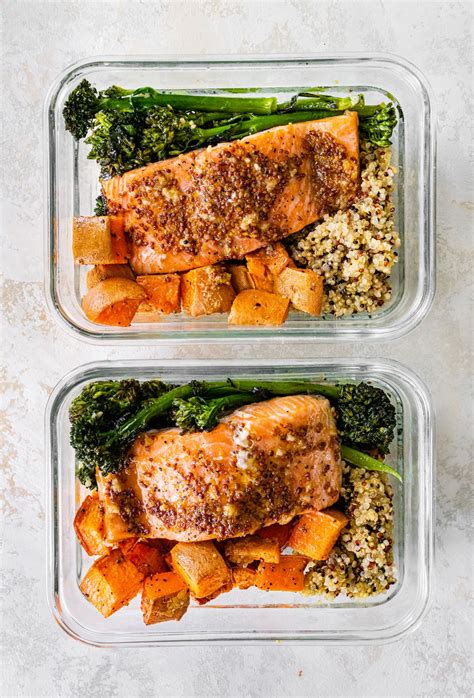
Conclusion: A Little Effort for Big Flavor
Keeping fresh herbs vibrant for your weekly meal prep requires a little upfront effort, but the payoff in terms of flavor and reduced waste is immense. By adopting these simple yet effective storage techniques—from the bouquet method to freezing in oil—you can ensure a continuous supply of aromatic goodness for all your culinary creations. Say goodbye to sad, wilted herbs and hello to a week of delicious, herb-infused meals!