Best methods to keep plated food colors vibrant & fresh-looking?

The Importance of Visual Appeal in Plated Food
In the world of culinary arts, taste is paramount, but visual appeal plays an equally crucial role in creating an unforgettable dining experience. A dish that looks vibrant, fresh, and artfully arranged stimulates the appetite and sets the stage for the flavors to come. Conversely, food that appears dull, faded, or tired can instantly diminish its perceived quality, no matter how delicious it might be. Maintaining the natural, brilliant colors of ingredients from kitchen to table is a skill every cook, from home enthusiasts to professional chefs, should master.
Achieving this requires a combination of thoughtful preparation, precise cooking, and strategic plating. Understanding why food colors fade and what steps can be taken to prevent it is the first step toward consistently presenting dishes that are as pleasing to the eye as they are to the palate. From the moment ingredients are handled to the final garnish, every decision impacts the ultimate visual outcome.
Pre-Preparation Techniques for Maximum Color Retention
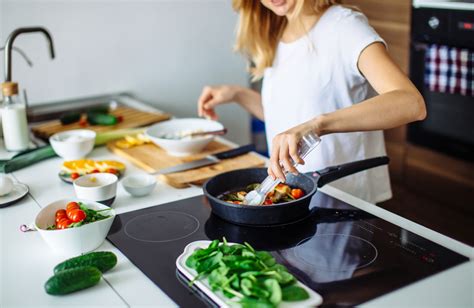
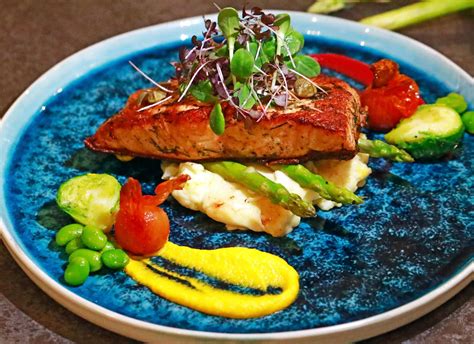
The journey to vibrant plated food begins long before the dish hits the plate. Proper pre-preparation is fundamental for locking in natural colors. For green vegetables like broccoli, asparagus, or green beans, blanching and shocking is a highly effective method. This involves briefly cooking the vegetables in boiling salted water, then immediately plunging them into an ice bath. The quick heat sets the chlorophyll (the pigment responsible for green color), while the ice bath stops the cooking process, preserving a bright green hue and a crisp texture.
For fruits and vegetables prone to enzymatic browning, such as apples, avocados, or potatoes, an acidic bath can be a savior. Tossing these items in a small amount of lemon juice, lime juice, or even a diluted vinegar solution inhibits the enzymes responsible for oxidation, keeping them looking fresh and appealing. Additionally, for dry ingredients like herbs and spices, ensuring they are stored in airtight containers away from direct light helps maintain their color and potency until ready for use.
Cooking Methods That Preserve Vibrancy
How food is cooked significantly impacts its final color. Overcooking is a common culprit for dull, muted tones, especially in vegetables. Gentle, quick cooking methods are generally preferred. Steaming, stir-frying, and quick sautéing are excellent choices for many vegetables as they expose the food to heat for a minimal amount of time, minimizing color degradation. When boiling, use minimal water to reduce nutrient and color loss.
For roasted vegetables, a high oven temperature for a shorter duration can achieve a beautiful caramelization without sacrificing too much of the interior color. Proteins, too, benefit from careful cooking; searing meat or fish to a perfect crust while maintaining a moist, tender interior ensures appetizing color and texture contrasts. Avoid stewing or simmering delicate ingredients for extended periods if you want to preserve their initial bright colors.

Smart Plating Strategies for Lasting Freshness
Even perfectly cooked ingredients can lose their luster if not plated thoughtfully. The timing of plating is crucial; always aim to plate just before serving. Hot foods can continue to cook and fade in color if left on a warm plate for too long, while cold foods can lose their crispness and vibrancy.
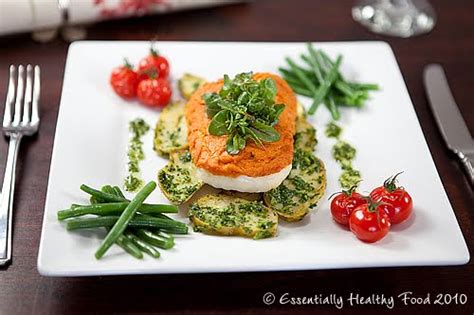
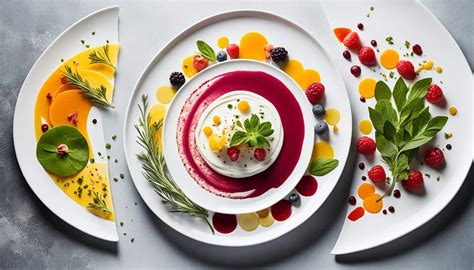
Consider the composition of your dish. If certain components are prone to bleeding color (like beets or certain sauces), plate them separately or strategically to prevent them from staining other elements. Use garnishes not just for flavor but also for a pop of fresh color. A sprinkle of fresh herbs, a vibrant sauce drizzle, or a wedge of citrus can instantly elevate the visual appeal of a dish. Think about contrasts – a dark plate might make bright foods pop, while a white plate provides a clean canvas.
Post-Plating Care and Presentation Enhancements
Once plated, a few final touches can help maintain and enhance the food’s fresh appearance. For warm dishes, serving them promptly on warm plates minimizes the time they sit and lose heat or vibrancy. For cold dishes, ensure they remain chilled until served to maintain crispness and color.
A very light mist of water can sometimes refresh greens that have started to wilt, but this should be used sparingly to avoid making food soggy. For certain dishes, a brush of neutral oil or a light glaze can add a subtle sheen, making vegetables and proteins look more appealing and fresh. Covering plated food loosely with cling film or a cloche for a very short period can also help prevent drying out, especially if there’s a slight delay before serving. However, excessive covering can trap steam and lead to wilting, so judgment is key.

Conclusion
Keeping plated food colors vibrant and fresh-looking is an art form rooted in scientific understanding and meticulous execution. By implementing careful pre-preparation techniques like blanching and acidic washes, opting for gentle and quick cooking methods, and adopting smart plating strategies, you can significantly enhance the visual appeal of your dishes. Remember that every step, from selecting the freshest ingredients to the final garnish, contributes to a truly memorable and aesthetically pleasing culinary experience. Mastering these methods ensures that your food not only tastes incredible but also looks irresistible.