
Best mobile photo tips to visually capture authentic food adventures?
Capturing Culinary Journeys: Your Mobile Phone as a Storyteller
Food adventures are more than just meals; they’re sensory experiences, cultural discoveries, and cherished memories. In our increasingly visual world, sharing these moments has become a beloved ritual. Your mobile phone, an unassuming device in your pocket, holds incredible power to visually immortalize these authentic culinary journeys. Forget bulky DSLRs; with a few smart techniques, you can transform everyday phone snaps into mouth-watering masterpieces that tell a compelling story.
Mastering Natural Light: The Golden Rule of Food Photography
The single most crucial element in any good photograph, especially food, is lighting. Natural light is your best friend. Seek out windows, outdoor tables, or open doorways. Position your food so that the light hits it from the side or slightly behind. This creates shadows and highlights that add depth and texture, making the dish look more appealing. Avoid direct overhead light, which can flatten the image, and definitely steer clear of your phone’s built-in flash, which often creates harsh glares and unnatural colors.
Experiment with different angles relative to the light source to see how it accentuates the food’s best features. A soft, diffused light, perhaps on a cloudy day or in the shade, can be incredibly flattering for most dishes, bringing out their vibrant colors and delicate details without harsh shadows.
Composition and Framing: Guiding the Viewer’s Eye
Once you have good light, composition is key to making your photo pop. The ‘Rule of Thirds’ is a great starting point: imagine your screen divided into a 3×3 grid and place your main subject (the food) along the lines or at their intersections. This creates a more dynamic and engaging image than simply centering everything.
Don’t be afraid to use negative space – empty areas around your food – to draw attention to your main subject. Consider elements in the background and foreground: a blurry background (bokeh effect, often available in portrait modes) can help the food stand out, while a hand reaching for a dish or cutlery subtly frames the scene, adding context and a human touch. Leading lines, like a fork handle or the edge of a table, can also draw the viewer’s eye towards the delicious star of your photo.
Experiment with Angles: Find Your Food’s Best Side
Different foods look better from different perspectives. An overhead ‘flat lay’ shot works wonderfully for colorful spreads, intricate plating, or multiple dishes on a table, showcasing the entire presentation. For tall dishes like burgers, layered cakes, or drinks, an eye-level shot captures their height and structure beautifully. And don’t shy away from close-ups – they can highlight textures, ingredients, and mouth-watering details that convey the true essence of the dish.
Try moving around your subject. What looks ordinary from one angle might be stunning from another. Get low, get high, get up close. Each perspective offers a unique story. Sometimes, an unexpected angle can reveal an artistic quality you hadn’t anticipated.

Tell a Story: Beyond Just the Plate
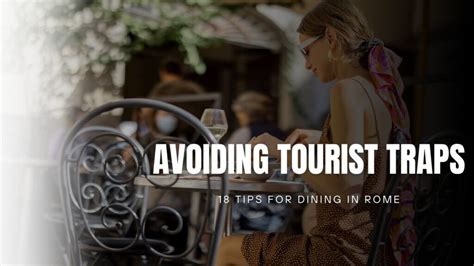
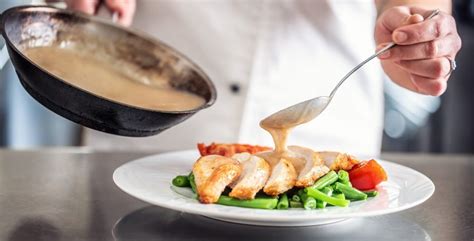
Authentic food adventures are about more than just the final dish; they’re about the experience surrounding it. Include elements that tell a story: the bustling market where ingredients were sourced, the chef’s hands at work, friends sharing a meal, or the unique ambiance of the restaurant. A slightly out-of-focus background can hint at the setting without distracting from the food itself.
Think about the narrative. Is it about a street food vendor, a fancy dining experience, or a homemade feast? Your photo should communicate this context. A little bit of the environment adds authenticity and helps viewers connect with your adventure on a deeper level.
Subtle Editing: Enhance, Don’t Over-Process
Modern mobile phones come with powerful built-in editing tools, and there are countless apps available for free or a small fee. Use these tools to make subtle adjustments: correct white balance for accurate colors, slightly boost saturation and contrast to make food pop, and sharpen details. The goal is to enhance the natural beauty of the food, not to create an artificial-looking image. A little goes a long way. Over-editing can make a photo look less authentic and appetizing.
Focus on bringing out the vibrancy and clarity. Often, a slight adjustment in exposure or shadows can reveal details that were hidden in the original shot, making the food look even more delicious and inviting.
Clean Your Lens and Embrace Authenticity
This is a simple yet often overlooked tip: always wipe your phone’s camera lens with a soft cloth before shooting. Fingerprints and smudges can drastically reduce photo quality, making images blurry or hazy. A clean lens ensures sharp, clear, and vibrant photos.
Finally, remember that the goal is to capture authentic food adventures. Don’t stress over achieving magazine-perfect shots every time. Embrace the imperfections, the candid moments, and the true essence of your culinary journey. Sometimes, the most genuine photos are the ones that are slightly messy, full of life, and reflect the real joy of eating and exploring. Practice makes perfect, but enjoyment makes memories.