Best plating hacks to make simple meals visually stunning?

Ever wondered why restaurant food always looks so much more appealing, even if it’s a dish you often make at home? The secret often lies in thoughtful plating. Transforming simple meals into visually stunning masterpieces doesn’t require a culinary degree, just a few clever hacks. With a little attention to detail, you can elevate your everyday cooking and impress both yourself and your guests.
The Power of Color and Contrast
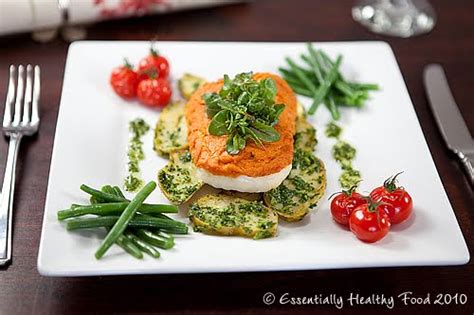
One of the easiest ways to make a dish pop is by incorporating a variety of colors. Think beyond the main ingredients. A sprinkle of fresh green herbs on a creamy pasta, a vibrant red cherry tomato half next to a golden chicken breast, or colorful bell peppers in a stir-fry can dramatically enhance visual appeal. Aim for a balanced palette that excites the eye.

Achieving Height and Dimension
Flat food can look uninspired. Introduce height to your plate by stacking ingredients. For instance, instead of spreading rice flat, mold it into a dome. Layer vegetables under or over your protein. A carefully placed piece of avocado or a stack of roasted vegetables can give your dish a professional, three-dimensional look. Remember, presentation is about building an experience.
Strategic Garnishing: The Finishing Touch
Garnishes aren’t just for decoration; they add flavor, texture, and an essential visual element. Fresh herbs like parsley, cilantro, or chives are excellent. A lemon wedge, a dollop of crème fraîche, toasted nuts, or a few microgreens can add elegance and a fresh burst of color and flavor. Less is often more with garnishes – choose one or two that truly complement the dish.
Mastering Negative Space and Plate Choice
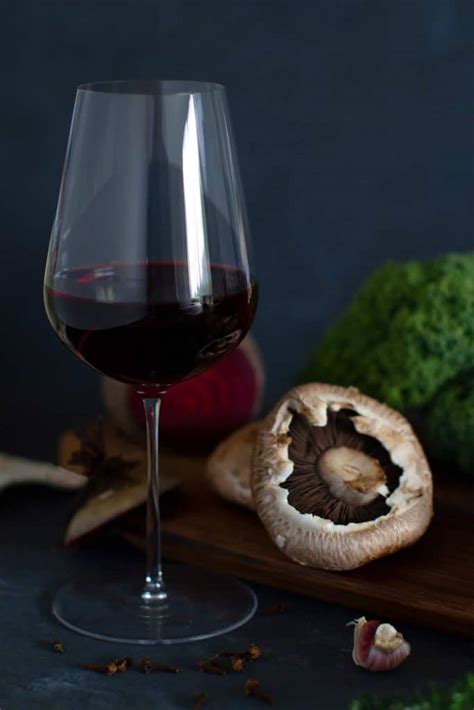
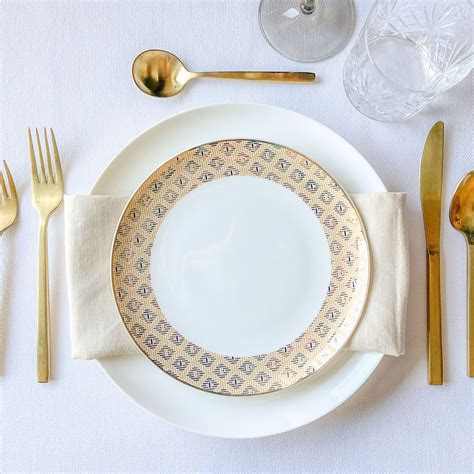
Just as important as what you put on the plate is what you don’t. Leaving some “white space” or “negative space” on the plate allows the eye to focus on the food and prevents the dish from looking overcrowded. Consider the plate itself:
darker plates can make light-colored foods stand out, while lighter plates can highlight colorful ingredients. The shape and size of your plate can also influence the overall presentation; often, slightly oversized plates allow for more creative negative space.
Sauce Artistry and Drizzling
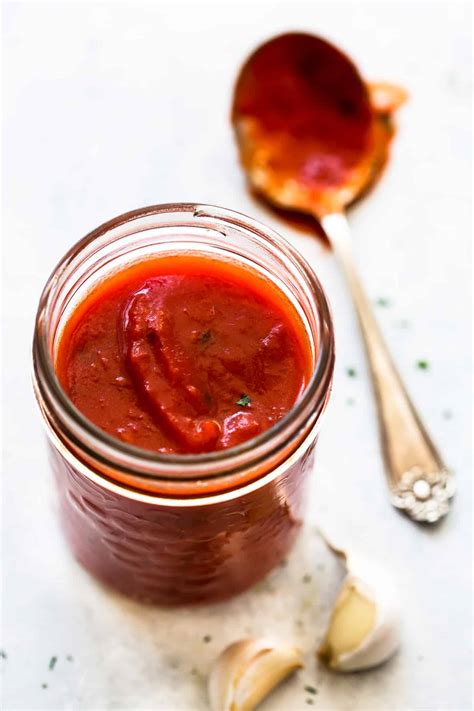
Sauces aren’t just for flavor; they’re an artistic tool. Instead of pouring sauce all over your dish, try drizzling it artfully. Use a spoon to create a “smear” or “swipe” across the plate before placing your main components. Alternatively, use a squeeze bottle to create dots, concentric circles, or delicate lines. This adds a sophisticated touch and allows the main ingredients to shine through.
Arrangement and Focus Points
Think about where you want the diner’s eye to go first. Typically, the protein or main component is the focal point. Arrange supporting elements around it in a balanced, appealing way. The rule of odds often applies in plating: arranging items in odd numbers (like 3 or 5 pieces of a vegetable) can be more visually appealing than even numbers, creating a more dynamic composition. Avoid perfectly symmetrical arrangements, as they can sometimes look stiff; aim for balance with a touch of asymmetry.
Conclusion
Plating is an extension of cooking – it’s about making your food taste as good as it looks. These simple hacks, from utilizing color and height to strategic garnishing and sauce artistry, can transform your everyday meals into memorable dining experiences. Don’t be afraid to experiment, have fun with it, and let your creativity shine through on every plate.