Best plating techniques for vibrant, photo-ready homemade dishes?

In today’s visually driven world, the presentation of food is almost as important as its taste, especially when sharing your culinary creations online. While professional chefs master intricate plating, home cooks can easily elevate their dishes from simple meals to Instagram-worthy works of art with a few fundamental techniques. Mastering the art of plating can make even the simplest homemade dish look vibrant, appealing, and utterly delicious.
Understanding the Basics: The Canvas and Composition
Before you even think about placing food, consider your canvas – the plate. Choose plates that complement your food, often opting for white or neutral colors to make the food pop. The size of the plate is also crucial; avoid overcrowding by using larger plates, allowing for negative space, which helps the dish breathe and appear more sophisticated.
Composition is key. Think about the rule of thirds, much like in photography. Imagine dividing your plate into a 3×3 grid and place focal points at the intersections. This creates visual balance and interest. Consider the leading lines and angles to guide the diner’s eye across the dish.

Color, Texture, and Contrast
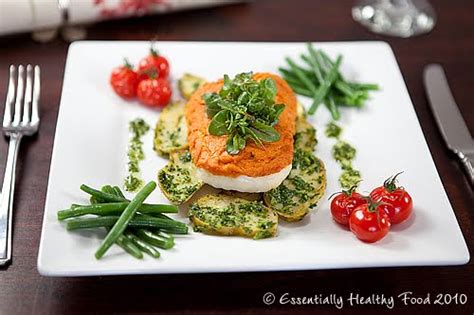
A vibrant dish is often a colorful one. Incorporate a variety of colors through different ingredients, ensuring they complement each other. Think about the natural colors of your proteins, vegetables, and sauces. For example, a stark white mashed potato can be brightened with a sprinkle of green herbs or a drizzle of red pepper coulis.
Texture adds depth and excitement. Combine soft elements with crunchy ones. A creamy soup can benefit from a scattering of croutons or crispy fried onions. A smooth purée might be paired with roasted vegetables for contrasting bite. These textural differences engage multiple senses, making the dish more dynamic.
Strategic Use of Garnish and Sauce
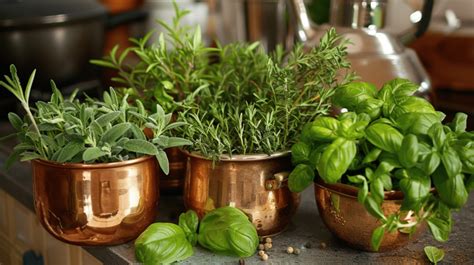
Garnish isn’t just an afterthought; it’s an integral part of plating. Fresh herbs like parsley, cilantro, dill, or chives add color, freshness, and often an aromatic lift. Edible flowers can bring a touch of elegance, while a sprinkle of toasted nuts or seeds offers texture and visual appeal. Remember, less is often more with garnishes; choose one or two that truly enhance the dish.
Sauces are another powerful tool. Instead of pouring sauce all over the dish, consider strategic placement. A delicate drizzle, a swish with the back of a spoon, or a pool under the main component can add color, shine, and define the dish’s flavor profile without overwhelming it. Use squeeze bottles for precision.
Building Height and Focus
Flat dishes can look uninspired. Introduce height to create visual interest and dimension. Stack ingredients, lean components against each other, or use molds to shape soft foods like rice or purées. For instance, instead of laying asparagus flat, stand them upright against a protein. A well-stacked burger or sandwich inherently looks more appealing.

Every dish should have a focal point – the star of the show. This is usually your main protein or vegetable. Place it prominently, often in the center or slightly off-center according to the rule of thirds, and arrange other elements around it to draw the eye towards it.
Cleanliness and Attention to Detail
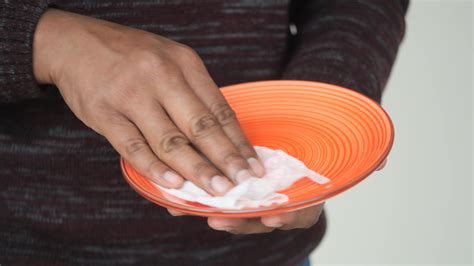
A perfectly plated dish can be ruined by smudges or spills. Always have a clean damp cloth or paper towel on hand to wipe away any drips or fingerprints from the rim of the plate before serving. This attention to detail demonstrates professionalism and care.
Consider the angle from which the dish will be viewed, especially if you plan to photograph it. Arrange components so they look best from that perspective. Small adjustments can make a big difference in how your dish appears in photos.
Putting It All Together: Practice Makes Perfect
Plating is a skill that improves with practice. Start with simple dishes and experiment with different arrangements, garnishes, and sauces. Don’t be afraid to try new things and find what works best for your specific culinary style. Take photos of your creations to see what angles and compositions look most appealing.

By applying these techniques, you’ll not only make your homemade meals more vibrant and photo-ready but also enhance the entire dining experience for yourself and your guests. Happy plating!