Best plating techniques for visually stunning, vibrant recipes?

The Art of Plating: Elevating Your Culinary Creations
Plating is more than just arranging food on a dish; it’s an art form that transforms a meal into a visual feast, making vibrant recipes even more appealing. A well-plated dish can heighten anticipation, stimulate appetite, and even influence the perceived taste of the food. Moving beyond mere sustenance, we delve into the techniques that chefs use to create unforgettable dining experiences, right in your own kitchen.
Understanding the Fundamentals of Plating
Before diving into specific techniques, it’s crucial to grasp the core principles that guide effective plating. These fundamentals provide a framework for creating balanced, aesthetically pleasing dishes:
- Balance: Consider the distribution of colors, textures, and shapes on the plate. No single element should overwhelm the others.
- Focal Point: Every plate needs a star. This is usually the main protein or a key vegetable, placed strategically to draw the eye.
- Flow: Guide the diner’s eye across the plate. Elements should appear to move together harmoniously, often in a gentle curve or diagonal line.
- Contrast: Use contrasting colors, textures, and heights to add visual interest and prevent the dish from looking flat.
Key Techniques for Visually Stunning Dishes
With the fundamentals in mind, let’s explore practical techniques that can dramatically improve your plating game for vibrant recipes:
1. Color and Contrast are King
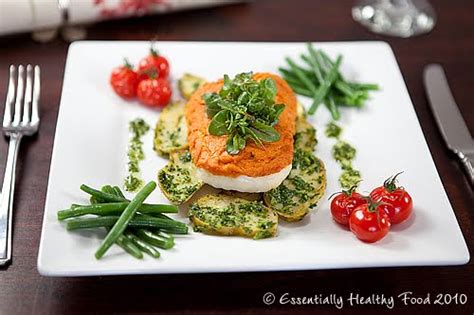
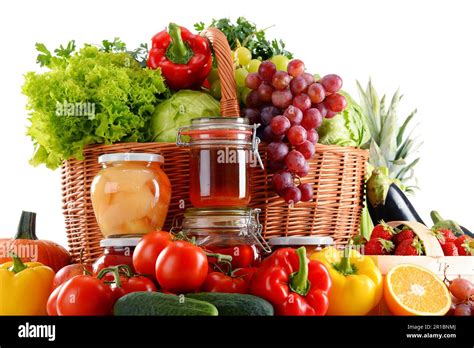
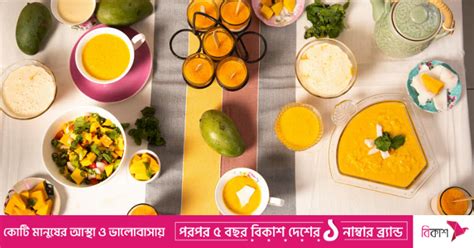
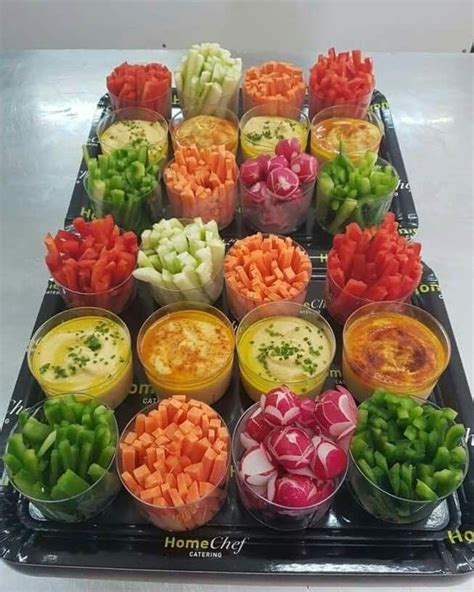
Vibrant recipes naturally lend themselves to stunning visual displays. Embrace the natural colors of your ingredients. Think about how a bright red bell pepper contrasts with green spinach, or how a golden-brown sear pops against a creamy white sauce. Use garnishes like fresh herbs, edible flowers, or a drizzle of contrasting sauce (e.g., a balsamic glaze on light-colored ingredients) to add depth and excitement.
2. Play with Texture and Height
A flat plate is a boring plate. Introduce varying textures and heights to create dynamic interest. Consider:
- Layering: Stack ingredients strategically, like alternating slices of roasted vegetables or building a small tower with grains and proteins.
- Purityes and Gels: Use smooth purees as a base or spread, then place more textured elements on top.
- Crispy Elements: Add a crunch with toasted nuts, croutons, or fried herbs.
3. Mastering the Rule of Thirds and Negative Space
Borrowing from photography, the rule of thirds suggests dividing your plate into an imaginary 3×3 grid and placing your main elements at the intersections. This creates a more dynamic and engaging composition than simply centering everything. Equally important is negative space – the empty areas on the plate. Don’t crowd the plate; allow some space to breathe. This emphasizes the ingredients you’ve chosen and prevents the dish from looking cluttered.
4. Thoughtful Saucing and Garnishing
Sauces aren’t just for flavor; they’re integral to plating. Instead of pouring a pool of sauce, consider these techniques:
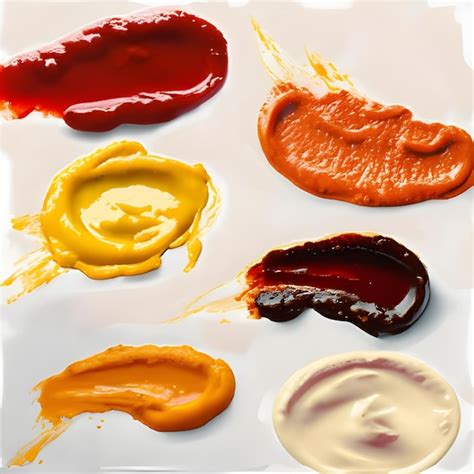
- Swooshes and Dots: Use the back of a spoon to create elegant swooshes of sauce across the plate or artfully place small dots.
- Drizzles: A fine drizzle of olive oil, infused oil, or a reduction can add shine and a finishing touch.
- Precision Garnishes: Place microgreens, small herb sprigs, or a sprinkle of spice with precision, ensuring they enhance rather not distract.
Practical Plating Layouts to Try
While creativity is key, some classic layouts can serve as excellent starting points:
- The Clock Method: Imagine your plate as a clock face. Place starch at 11 o’clock, vegetables at 2 o’clock, and protein at 6 o’clock.
- The Line: A simple yet effective approach where elements are arranged in a straight or slightly curved line across the plate.
- The Stack: Building vertically, often with a central ingredient forming the base and others stacked on top.
Tools of the Trade
While not strictly necessary, a few simple tools can make a big difference:
- Squeeze bottles: Perfect for precise sauce application.
- Plating tweezers: Ideal for placing delicate garnishes or small ingredients with accuracy.
- Ring molds: Great for creating perfectly round bases for grains, purees, or salads.

Conclusion: Plating as an Extension of Your Culinary Passion
Ultimately, plating is an extension of your passion for food. By consciously applying these techniques, you not only make your vibrant recipes more visually appealing but also show respect for your ingredients and the effort you’ve put into cooking. Don’t be afraid to experiment, practice, and develop your unique plating style. Remember, the goal is to make every dish a memorable experience, starting with the very first glance.