Best plating techniques to make home recipes photo-ready for foodie feeds?

In today’s visually-driven world, a delicious home-cooked meal isn’t just about taste – it’s also about presentation. With the rise of foodie feeds on platforms like Instagram and TikTok, transforming your dishes into photo-ready masterpieces has become an art form. You don’t need a professional kitchen or culinary degree to make your home recipes look gourmet; a few simple plating techniques can elevate your creations from delicious to dazzling. Let’s dive into how you can make your food truly shine.
The Foundations of Fantastic Plating
Before picking up a plate, consider these fundamental principles that guide professional chefs in their presentation:
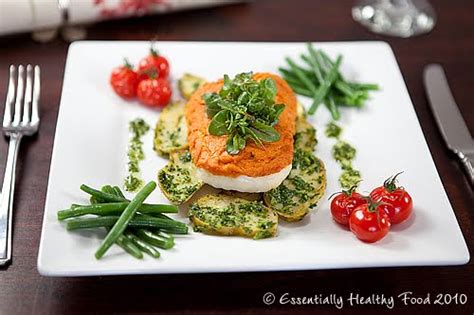
- Balance and Harmony: Think about the colors, textures, and shapes on your plate. Aim for a pleasing variety that works together without being chaotic. A mix of soft and crisp, bright and muted, round and angular adds visual interest.
- Focal Point: Every plate needs a star. This is usually the main protein or a key vegetable. Arrange other elements around it to draw the eye.
- Rule of Odd Numbers: Often, arranging components in odd numbers (e.g., three asparagus spears, five shrimp) feels more natural and aesthetically pleasing than even numbers.
- Negative Space: Don’t overcrowd the plate. Allowing some empty space around your food helps highlight the dish and prevents it from looking messy.
Practical Techniques for Plate Perfection
1. Choose the Right Canvas
Your plate is your canvas. White plates are often preferred as they make food colors pop. Consider the size and shape: a larger plate allows for more negative space, while square or rectangular plates can offer a modern aesthetic. Ensure the plate is clean and free of smudges.
2. Build with Height and Texture
Flat food can look unappealing. Think vertically! Stack components (like slices of meat, vegetables, or even grains) to create height. Use different textures to add interest – a crispy topping on a creamy base, for instance. Molds or ring cutters can help create perfect towers of rice or purées.

3. Master the Art of Saucing and Drizzling
Sauces aren’t just for flavor; they’re vital for presentation. Apply sauces strategically, perhaps with a spoon sweep, a squeeze bottle for dots, or a careful drizzle. Avoid drowning your food. A contrasting color sauce can beautifully frame your main ingredient.
4. Garnish with Purpose
Garnishes should enhance, not distract. Fresh herbs (parsley, cilantro, dill), microgreens, a sprinkle of spices, a lemon zest, or even edible flowers can add a vibrant touch and a hint of freshness. Place them deliberately, often near the focal point, to add color and texture without overwhelming the dish.

5. Cleanliness is Key
Before serving or photographing, take a clean cloth or paper towel to wipe away any drips, smudges, or stray bits of food from the rim of the plate. A pristine plate elevates the entire presentation.

Before You Snap That Shot
Even the most beautifully plated dish needs good photography to shine on social media. Consider these quick tips:
- Lighting: Natural light is your best friend. Position your dish near a window, avoiding direct harsh sunlight, which can create shadows.
- Angles: Experiment with different angles. Overhead shots (flat lays) work well for bowls or colorful dishes. A 45-degree angle often captures height and depth.
- Minimal Props: A simple linen napkin, a rustic cutting board, or an interesting utensil can add context without distracting from the food. Keep backgrounds clean and uncluttered.
Practice Makes Perfect
Plating is a skill that improves with practice. Start with one or two techniques at a time, experiment with different dishes, and observe how professional chefs (or even skilled home cooks online) present their food. Soon, you’ll be turning your everyday meals into Instagram-worthy masterpieces that taste as good as they look!