Best plating techniques to make weeknight meals photo-ready?

Elevate Your Everyday: The Art of Plating Weeknight Meals
In today’s visually-driven world, a meal isn’t truly enjoyed until it’s shared – often on social media. But who has time for elaborate garnishes and intricate arrangements on a Tuesday night? The good news is, you don’t need a culinary degree or hours of prep to make your weeknight meals photo-ready. With a few smart, quick plating techniques, you can transform a simple dinner into a feast for the eyes, worthy of any foodie’s feed.
The secret lies in understanding a few basic principles that chefs use, adapted for the home kitchen. It’s about making conscious choices with color, texture, and arrangement, even when time is short.
The Foundation: Start with a Clean Canvas
Before you even think about food, ensure your plate is clean. Wipe off any drips, smudges, or fingerprints from the rim of the plate. A clean border instantly makes the food look more professional and appealing. Opt for simple, neutral-colored plates (white or off-white are classics) that allow the food’s colors to truly pop without competing patterns.
Think in Threes: The Rule of Odds
When arranging components, try to place items in odd numbers – three, five, or seven. This creates a more dynamic and visually interesting composition than even numbers. For example, if you’re serving meatballs, arrange three or five on the plate rather than four. This principle applies to garnishes too!
Color, Contrast, and Height: Adding Visual Interest
Play with Color and Contrast
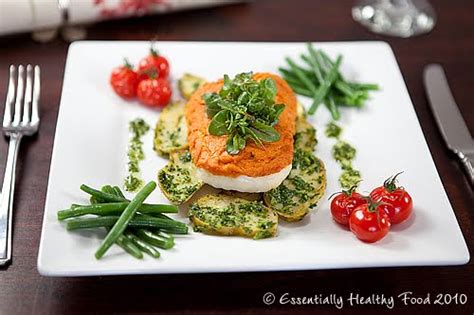
Most weeknight meals might lean towards a single color palette. Actively think about introducing contrasting colors. A green garnish on a brown dish, a splash of red sauce, or a sprinkle of bright herbs can make a world of difference. Even a simple lemon wedge adds a pop of vibrant yellow.

Build Height and Dimension
Flat food looks, well, flat. Give your dish dimension by building up. Stack components rather than spreading them out. For instance, lean your protein against a mound of rice or pasta, or pile vegetables slightly rather than scattering them. This adds professional flair and makes the dish more inviting.
Strategic Placement and Garnishes
Create a Focal Point
Every dish should have a star. Place your main component (protein, main vegetable) centrally or slightly off-center, then arrange supporting elements around it. Think of it like a clock face: place your protein at 6 or 7 o’clock, with sides at 10 and 2. This creates an open, inviting feel.
Embrace Negative Space
Don’t overcrowd the plate. Leaving some empty space, known as ‘negative space,’ allows the eye to rest and highlights the food you’ve carefully arranged. It suggests elegance and thoughtfulness, even if you just threw it together in five minutes.

Quick Garnishes That Make a Difference
- Fresh Herbs: A sprinkle of chopped parsley, cilantro, dill, or chives adds color, freshness, and often a burst of flavor.
- Citrus Zest/Wedges: Lemon or lime zest brightens flavors and adds visual zing.
- Toasted Nuts/Seeds: A light sprinkle of sesame seeds, pumpkin seeds, or toasted almonds adds texture and visual appeal.
- Drizzle of Sauce/Oil: A zig-zag of balsamic glaze, a swirl of pesto, or a simple drizzle of good olive oil can beautifully finish a dish.
- Flaky Sea Salt: A touch of flaky salt not only seasons but also adds a professional shimmer.

Putting It All Together for Your Next Photo-Ready Weeknight Meal
The beauty of these techniques is their simplicity. They don’t require extra cooking steps, just a mindful approach to how you present your food. Before plating, take a moment to visualize the final look. How can you add a pop of color? Can you stack anything? Is there an easy garnish you can grab?
With practice, these quick plating habits will become second nature, turning your humble weeknight dinners into Instagram-worthy masterpieces without adding stress to your busy schedule. So go ahead, plate with purpose, snap that shot, and enjoy the delicious results!